Preventing Mold Growth in Glendora: A Seasonal Guide
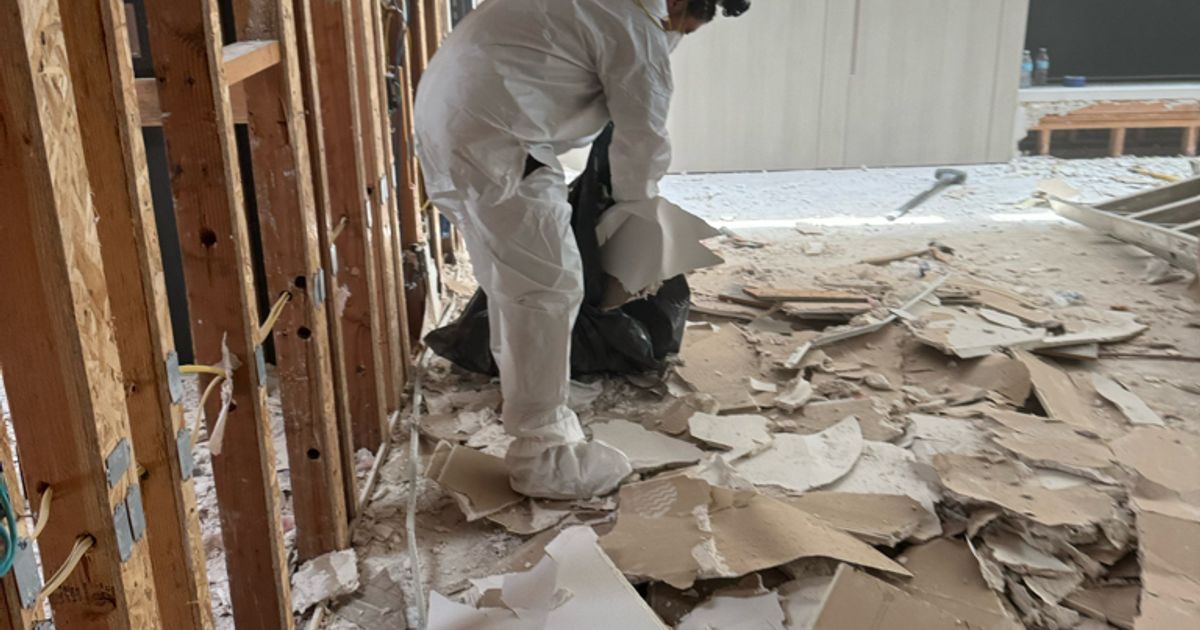
Protect your Glendora home from mold with this seasonal prevention guide covering moisture control, HVAC maintenance, and rainy season prep for foothill living.
Glendora's unique position against the San Gabriel Mountains creates distinct seasonal challenges for mold prevention. The city's foothill location brings dramatic weather variations throughout the year, from dry Santa Ana winds to intense winter storms that can overwhelm drainage systems. Homes in North Glendora and the South Hills face particular risks due to elevation changes and storm runoff patterns that can lead to moisture intrusion and subsequent mold growth.
The aftermath of events like the 2014 Colby Fire continues to impact Glendora properties, as post-fire erosion increases the likelihood of water damage during heavy rains. Professional mold remediation in Glendora becomes essential when prevention measures fail, but understanding seasonal patterns can help homeowners stay ahead of moisture problems before they escalate into serious mold issues.
Spring Prevention: Post-Winter Moisture Management
Spring in Glendora brings the challenge of addressing winter storm damage while preparing for warmer weather. Properties near Big Dalton Dam and along Glendora Mountain Road often experience lingering moisture from winter rains, particularly in crawl spaces and basements. The city's mature tree canopy, while beautiful, creates additional spring concerns as root systems from large oaks and sycamores can damage foundation drainage systems.
Inspect your home's exterior for winter damage, paying special attention to roof areas where debris from foothill winds may have accumulated. Clean gutters thoroughly, as Glendora's elevation means more debris collection than lower-lying areas. Check for signs of water intrusion around windows and doors, particularly on north-facing walls that receive less drying sunlight. Properties in the 91741 zip code, closer to the mountain base, should examine foundation areas for signs of moisture retention from winter runoff.
Summer Strategies: Managing Heat and Humidity
Glendora's summer heat creates unique mold prevention challenges, particularly in homes with inadequate ventilation systems. Temperatures can soar above 100°F in the foothill areas, causing homeowners to rely heavily on air conditioning while keeping windows closed. This creates humidity buildup in bathrooms, kitchens, and laundry areas where moisture-generating activities continue despite the heat.
Install and maintain exhaust fans in all moisture-prone areas, ensuring they vent directly outside rather than into attics or crawl spaces. Properties in Glendora Village benefit from older home charm but often lack modern ventilation systems, making mechanical ventilation additions particularly important. Run bathroom fans for at least 30 minutes after showers, and consider upgrading to humidity-sensing models that activate automatically.
Monitor indoor humidity levels, keeping them between 30-50% even during peak summer heat. Homes in the South Hills area, with their elevated positions, may experience different humidity patterns due to elevation and wind exposure. Use dehumidifiers in basements and crawl spaces where summer heat can create condensation problems on cool foundation walls.
Fall Preparation: Wildfire Season and Air Quality Management
Fall brings Glendora's most challenging season for mold prevention: wildfire season combined with the approach of winter rains. The city's high wildfire risk means homes may be sealed tightly during smoke events, creating indoor air quality issues that can promote mold growth. Santa Ana winds, common in fall, can drive moisture into unexpected areas while also creating extreme drying conditions.
Prepare HVAC systems for both wildfire smoke filtration and moisture control. Replace filters with high-efficiency models and ensure systems can maintain air circulation even when homes are sealed against smoke. Properties along Glendora Mountain Road face particular risks during red flag warning days, when utilities may shut off power, affecting ventilation systems.
Clean and inspect all ventilation systems before the rainy season begins. Remove accumulated dust and debris from ducts, as these materials can become mold food sources when moisture arrives. Check attic ventilation, ensuring soffit and ridge vents remain clear of debris that accumulates during dry, windy fall weather.
Winter Protection: Storm Season and Moisture Control
Winter storms pose the greatest mold risk for Glendora homes, particularly properties in northern areas that receive direct runoff from the San Gabriel Mountains. The combination of intense rainfall and post-fire erosion creates conditions where water can overwhelm drainage systems and enter homes through previously secure areas.
Inspect and maintain drainage systems before the first significant rains arrive, typically in December or January. Properties near the foothills should pay particular attention to foundation drainage and ensure gutters can handle intense rainfall rates. The mature trees throughout Glendora, while providing character, can create drainage issues when root systems interfere with underground pipes or when falling leaves clog systems.
Monitor indoor humidity levels closely during storm periods, as even well-sealed homes can experience humidity spikes from atmospheric moisture. Use exhaust fans consistently and consider running dehumidifiers in areas prone to condensation. Properties in the 91740 zip code, closer to the valley floor, may experience different drainage challenges than hillside homes but face their own risks from poor air circulation during extended cloudy periods.
Year-Round HVAC Maintenance for Mold Prevention
Glendora's dramatic seasonal variations require vigilant HVAC maintenance to prevent mold growth. The city's location creates unique demands on heating and cooling systems, from extreme summer heat to winter moisture management. Regular professional maintenance ensures systems can handle these challenges while maintaining indoor air quality.
Schedule HVAC inspections twice yearly, ideally before summer cooling season and before winter heating needs begin. Go Green Restoration Inc, serving Glendora and surrounding Los Angeles County communities, emphasizes the importance of addressing moisture control as part of any restoration project, recognizing how Glendora's climate patterns affect indoor air quality.
Replace HVAC filters every 1-3 months depending on seasonal conditions, using higher-efficiency filters during wildfire season and standard filters during normal operations. Clean condensate drains regularly, as Glendora's temperature variations can cause these systems to work harder and potentially back up. Ensure ductwork remains sealed and insulated, particularly in unconditioned spaces like attics where temperature extremes can cause condensation problems.
For more information, visit our mold resources.
Need Professional Help?
Go Green Restoration provides 24/7 emergency services throughout Los Angeles and Ventura Counties. Licensed (#1005708), bonded, and insured.