Preventing Mold Growth in San Marino: A Seasonal Guide
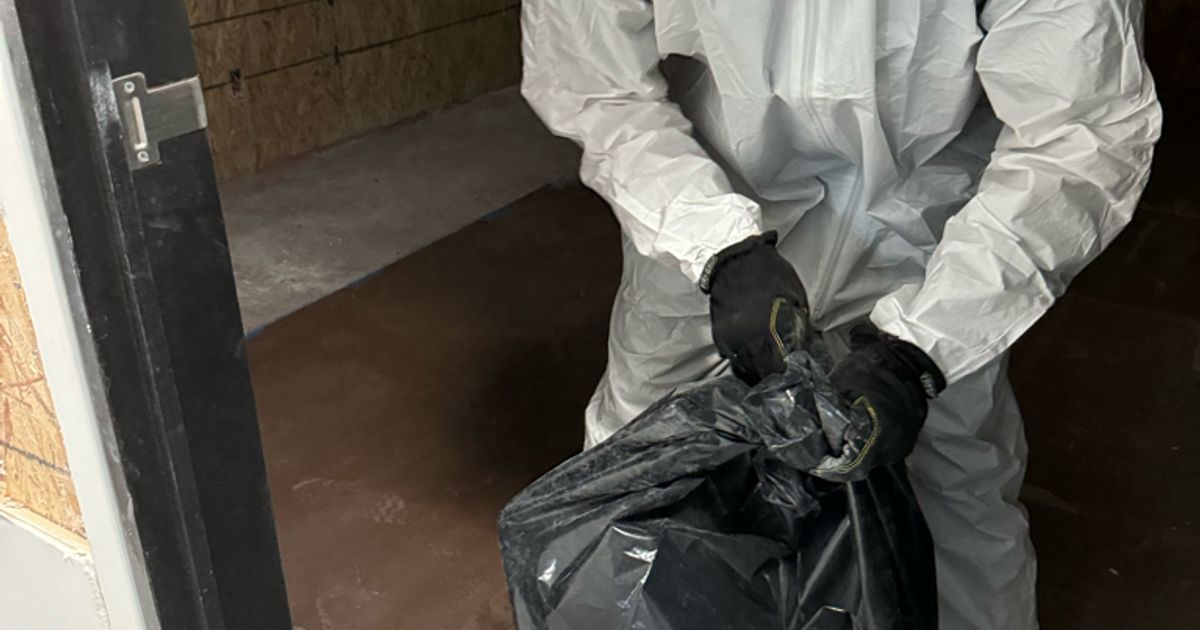
Protect your San Marino estate home from mold year-round with this seasonal prevention guide tailored to local climate conditions and historic properties.
San Marino's prestigious estate homes, many dating back to the early 1900s, face unique mold prevention challenges throughout the year. The city's Mediterranean climate, combined with historic architectural features and mature landscaping around landmarks like the Huntington Library and Lacy Park, creates specific moisture management needs that vary dramatically by season. Understanding these seasonal patterns helps homeowners in neighborhoods like San Marino Oaks and the Lacy Park Area protect their valuable properties from costly mold damage.
The combination of older construction materials, complex HVAC systems in large homes, and the city's abundant mature tree canopy creates microclimates that can trap moisture if not properly managed. Professional mold remediation in San Marino becomes necessary when prevention measures fail, making proactive seasonal maintenance essential for protecting these high-value properties in the 91108 area.
Spring Mold Prevention: Managing Post-Winter Moisture
Spring in San Marino brings unique challenges as winter moisture begins to dry out while temperatures rise. Historic homes in the area often experience condensation issues in basements and crawl spaces during this transition period. The mature oak and sycamore trees throughout the city begin their growing season, potentially affecting foundation drainage around properties near Lacy Park and the Huntington Library grounds.
Inspect your home's exterior drainage systems in March and April, paying special attention to areas where San Marino's characteristic mature landscaping may have shifted soil or blocked gutters during winter storms. Many estate homes feature complex rooflines and multiple levels that can trap debris, creating moisture retention points. Check attic ventilation systems, as spring temperature fluctuations can create condensation in poorly ventilated spaces.
The city's older homes often have steam heating systems or original radiators that may develop leaks as they cycle through seasonal temperature changes. Examine all plumbing connections, especially in basements and utility areas where San Marino's complex home systems converge. Spring is also the ideal time to service whole-house humidification systems common in larger estate properties.
Summer Moisture Control: Air Conditioning and Humidity Management
San Marino's warm, dry summers create different mold prevention priorities focused on air conditioning systems and indoor humidity control. The city's large estate homes typically feature extensive HVAC systems that can develop condensation issues when cooling substantial square footage. Properties in San Marino Oaks and near the Huntington Library often have multiple AC units and complex ductwork that requires regular maintenance.
Clean and inspect AC condensate drains monthly during summer operation, as these systems work harder in San Marino's heat to cool spacious rooms with high ceilings common in historic architecture. The city's mature tree coverage, while beautiful, can block airflow around outdoor AC units, reducing efficiency and potentially causing moisture backup. Trim vegetation around units while preserving the neighborhood's characteristic landscaping.
Monitor indoor humidity levels, keeping them between 30-50% throughout your home. San Marino's large windows and glass doors, often original to historic properties, can create temperature differentials that lead to condensation. Use exhaust fans in bathrooms and kitchens, particularly important in older homes that may lack modern ventilation systems. The city's affluent residents often have wine cellars, home gyms, or indoor pools that require specialized humidity control to prevent mold growth.
Fall Preparation: Readying for Rainy Season
Fall preparation in San Marino focuses on preparing estate properties for the region's rainy season, typically beginning in November. The city's mature trees shed substantial leaf debris that can clog gutters and drainage systems around properties near Lacy Park and throughout residential neighborhoods. Historic homes often feature elaborate gutter systems and downspouts that require thorough cleaning before winter rains arrive.
Inspect and seal exterior surfaces, paying attention to original wood siding, window frames, and decorative architectural elements common in San Marino's historic properties. Many homes feature stucco exteriors that can develop hairline cracks over time, allowing moisture penetration during heavy rains. The city's high property values justify investing in proper exterior maintenance to prevent water intrusion.
Service heating systems before cold weather arrives, as San Marino's older homes often have complex heating arrangements including fireplaces, radiant systems, and forced air units. Check chimney caps and flashing, particularly important given the city's many historic fireplaces and decorative chimneys. Root intrusion from mature trees can affect foundation drainage, so inspect basement and crawl space areas for early signs of moisture problems.
Winter Weather Response: Managing Rain and Cold
San Marino's winter rainy season, typically lasting from December through March, presents the highest mold risk for the city's estate properties. Historic homes with original foundations may experience moisture issues during prolonged wet periods, particularly in areas with poor drainage around mature landscaping. The combination of rain and cooler temperatures can create ideal mold growth conditions in poorly ventilated spaces.
Monitor basement and crawl space humidity levels weekly during rainy periods, using dehumidifiers if necessary to maintain proper moisture levels. San Marino's large homes often have multiple levels and complex layouts that can trap moisture in remote areas. Pay attention to rooms over garages, wine cellars, and basement areas that may lack adequate heating or ventilation.
Address any roof leaks immediately, as San Marino's tile and slate roofs common on historic properties can develop issues over time. The city's mature trees can drop branches during winter storms, potentially damaging roofing materials. Ensure proper attic ventilation to prevent warm, moist air from condensing on cold surfaces during temperature drops.
As a trusted restoration company serving Los Angeles County, Go Green Restoration understands the unique challenges facing San Marino's historic estate properties and provides specialized mold prevention guidance tailored to the city's specific architectural and environmental conditions.
For more information, visit our mold resources.
Need Professional Help?
Go Green Restoration provides 24/7 emergency services throughout Los Angeles and Ventura Counties. Licensed (#1005708), bonded, and insured.