Preventing Mold Growth in Thousand Oaks: A Seasonal Guide
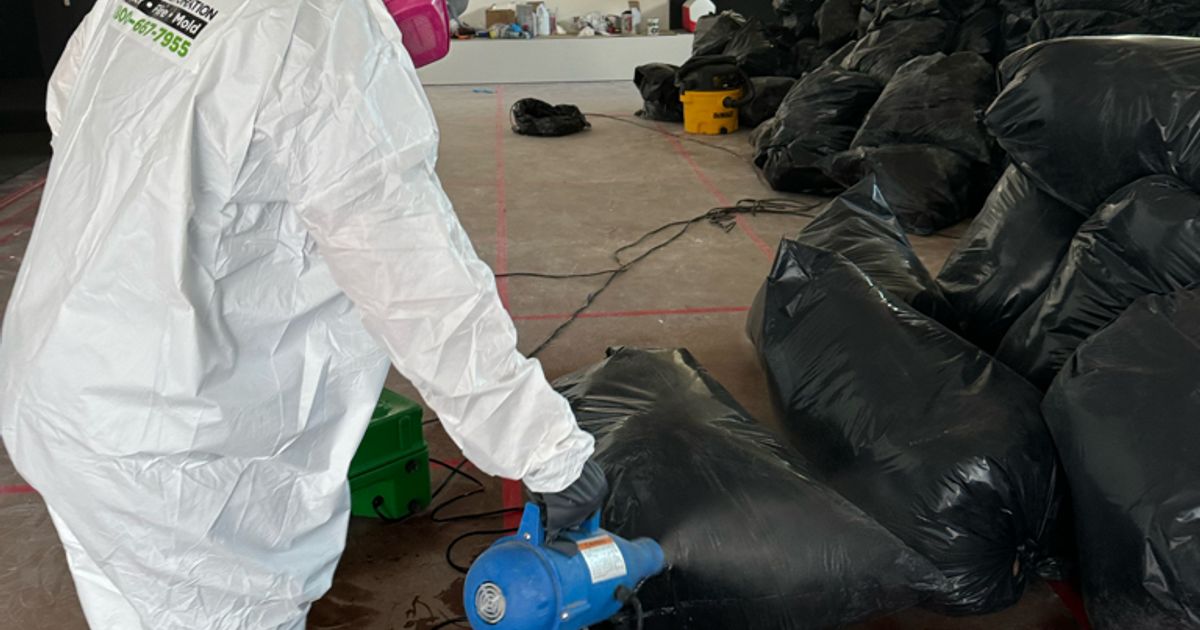
Protect your Thousand Oaks home from mold with this seasonal prevention guide covering moisture control, ventilation, and wildfire recovery strategies.
Thousand Oaks homeowners face unique mold prevention challenges throughout the year, from the intense summer heat that strains HVAC systems to winter rains that can overwhelm properties still recovering from wildfire damage. The city's location in the Conejo Valley, surrounded by the Santa Monica Mountains, creates microclimates that can trap moisture in unexpected ways, particularly in neighborhoods like Lang Ranch and North Ranch where hillside properties face additional erosion concerns.
The aftermath of the 2018 Woolsey Fire continues to impact mold prevention strategies across the city, as many rebuilt homes in areas like Dos Vientos and Westlake Village incorporated new moisture barriers and ventilation systems. However, older homes from the 1960s-era development boom still rely on original infrastructure that may not adequately handle today's climate challenges. Professional mold remediation in Thousand Oaks becomes essential when prevention measures fail, particularly in homes that experienced fire damage or subsequent water intrusion during rebuilding efforts.
Understanding how each season affects your home's vulnerability to mold growth allows you to take proactive steps that protect both your property investment and your family's health. The seasonal approach proves especially important in Thousand Oaks, where wildfire smoke damage can compromise air filtration systems and post-fire landscape changes alter natural drainage patterns around properties.
Spring Mold Prevention: Post-Winter Assessment and Preparation
Spring in Thousand Oaks brings the perfect opportunity to assess winter damage and prepare for the challenging months ahead. Begin by inspecting areas around Wildwood Regional Park and similar hillside locations where winter rains may have caused unexpected water intrusion. Check crawl spaces, basements, and areas where fire-damaged landscaping may have altered water flow patterns around your foundation.
Focus particular attention on HVAC systems that worked overtime during winter months to heat homes in neighborhoods like Newbury Park, where older ductwork may have developed leaks. Replace air filters and schedule professional ductwork cleaning, especially important for homes that experienced smoke exposure during recent wildfire seasons. The transition from heating to cooling systems often reveals moisture problems that developed during winter months when ventilation was minimal.
Spring cleaning should include thorough inspection of areas prone to moisture accumulation, such as laundry rooms, bathrooms, and kitchen areas. In Thousand Oaks' 91360 and 91361 zip codes, where many homes feature original 1960s construction, pay special attention to original tile work and caulking that may have deteriorated over decades. Address any plumbing leaks immediately, as spring's moderate temperatures create ideal conditions for rapid mold development if moisture sources aren't eliminated.
Summer Strategies: Managing Heat and HVAC Strain
Thousand Oaks summers place enormous strain on air conditioning systems, particularly in areas like North Ranch where temperatures can exceed valley floor readings by several degrees. The intense heat forces HVAC systems to run continuously, creating condensation issues that can lead to mold growth in ductwork and around cooling units. Schedule professional HVAC maintenance before peak summer temperatures arrive, ensuring proper drainage from condensation lines and adequate airflow throughout your system.
Manage indoor humidity levels aggressively during summer months, aiming for 30-50% relative humidity throughout your home. This proves especially challenging in areas near The Oaks Mall and central Thousand Oaks, where urban heat island effects can push indoor temperatures higher than surrounding areas. Use bathroom exhaust fans during and after showers, and consider whole-house dehumidification systems for homes with persistent moisture issues.
Summer also brings increased wildfire risk, making air filtration systems work harder to remove smoke and particulates. Clean or replace HVAC filters monthly during fire season, and ensure backup power sources can maintain ventilation systems during power outages that often accompany fire danger periods. Properties in the 91362 zip code, closer to mountain areas, should pay particular attention to air quality impacts that can overwhelm filtration systems and create moisture problems when systems shut down unexpectedly.
Fall Preparation: Wildfire Season and System Maintenance
Fall represents the most dangerous season for Thousand Oaks homeowners, combining peak wildfire risk with the beginning of the rainy season. Prepare your home's moisture control systems before potential fire damage or evacuation scenarios disrupt normal maintenance routines. Clean gutters and downspouts thoroughly, paying special attention to properties in Dos Vientos and Lang Ranch where post-fire erosion can clog drainage systems with unusual debris.
Inspect and seal any exterior penetrations where smoke or water could enter during wildfire events. This includes areas around utility connections, vents, and any fire-damaged sections that may have been temporarily repaired. The transition from hot, dry conditions to potential rain creates rapid changes in building materials that can open new pathways for moisture intrusion.
Schedule professional inspection of attic spaces and crawl areas before winter rains begin. Areas near Wildwood Regional Park and other foothill locations often experience unique moisture patterns as seasonal weather changes interact with fire-altered landscapes. Ensure proper ventilation in these spaces, as inadequate airflow combined with temperature fluctuations can create perfect conditions for mold development during the rainy months ahead.
Winter Protection: Rain Season and Moisture Management
Winter rains in Thousand Oaks can overwhelm properties still adapting to post-fire landscape changes, particularly in hillside areas of Westlake Village and North Ranch. Monitor basement and crawl space areas closely during storm events, as altered drainage patterns may direct water toward foundations in unexpected ways. Install moisture sensors in vulnerable areas to provide early warning of water intrusion that could lead to mold problems.
Maintain adequate ventilation throughout winter months, even when heating systems are running constantly. This proves especially important in energy-efficient rebuilt homes that may trap moisture more effectively than older, draftier structures. Use exhaust fans in bathrooms and kitchens consistently, and crack windows periodically on mild days to exchange indoor air.
Address any roof leaks or exterior moisture sources immediately, as winter's moderate temperatures and higher humidity create ideal conditions for rapid mold growth. Properties in the 91358 and 91359 areas should pay particular attention to areas where fire damage may have compromised roof integrity or where temporary repairs may fail under winter weather stress. Go Green Restoration Inc has observed that many winter mold problems in Thousand Oaks stem from small leaks that homeowners delay addressing until spring, allowing months of moisture accumulation to create significant remediation challenges.
Year-Round Monitoring and Professional Support
Successful mold prevention in Thousand Oaks requires consistent monitoring and professional support when prevention measures aren't sufficient. Install humidity monitors in key areas of your home, particularly basements, crawl spaces, and areas that experienced fire damage or reconstruction. These devices provide early warning of conditions that could support mold growth before visible problems develop.
Develop relationships with local professionals who understand Thousand Oaks' unique challenges, from wildfire recovery specialists to HVAC technicians familiar with the strain that local climate conditions place on home systems. Regular professional inspections can identify potential problems before they become expensive remediation projects, particularly important for homes in areas like Conejo Valley Botanic Garden vicinity where mature landscaping and natural water features create additional moisture management challenges.
Maintain detailed records of your prevention efforts, including HVAC maintenance, moisture readings, and any water intrusion events. This documentation proves valuable for insurance purposes and helps professionals quickly identify patterns that might indicate developing problems. The investment in consistent prevention measures pays dividends in avoided remediation costs and maintained property values in Thousand Oaks' competitive real estate market.
For more information, visit our mold resources.
Need Professional Help?
Go Green Restoration provides 24/7 emergency services throughout Los Angeles and Ventura Counties. Licensed (#1005708), bonded, and insured.