Preventing Mold Growth in Whittier: A Seasonal Guide for Homeowners
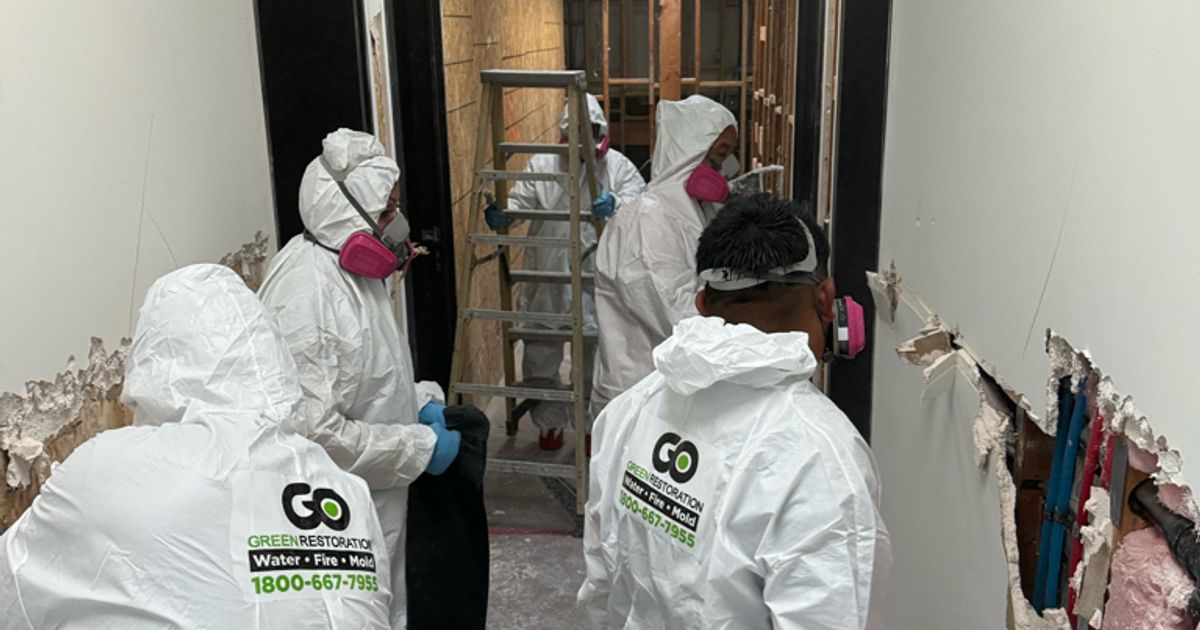
Protect your Whittier home from mold with this seasonal prevention guide covering moisture control, ventilation, and rainy season prep for local conditions.
Whittier's unique geography creates distinct mold challenges throughout the year. From the hillside neighborhoods near Turnbull Canyon to the flatland areas with aging post-war infrastructure, homeowners across zip codes 90601 through 90610 face varying moisture and ventilation issues that change with the seasons. Understanding these seasonal patterns helps protect your property from costly mold problems.
The diverse topography of Whittier, from Friendly Hills to South Whittier, means moisture behaves differently across neighborhoods. Hillside homes in Whittier Heights may deal with drainage issues during winter rains, while properties in East Whittier's flatter areas often struggle with poor air circulation in aging 1950s-60s construction. Professional mold remediation in Whittier becomes necessary when prevention measures fail, making seasonal preparation essential for every homeowner.
Spring Preparation: Post-Rain Assessment and Ventilation
Spring in Whittier brings the end of the rainy season and the perfect opportunity to assess winter damage. Homes near Turnbull Canyon should inspect for water intrusion from hillside runoff, while properties in Uptown Whittier's historic district need careful examination of older building materials that may have absorbed moisture. Check crawl spaces, basements, and areas around aging plumbing systems common in mid-century Whittier homes.
Improve ventilation as temperatures rise by opening windows during dry days to promote air circulation. Properties in South Whittier and other lower-elevation areas benefit from cross-ventilation strategies that move stagnant air out of problem areas. Install or service exhaust fans in bathrooms and kitchens, particularly important in older homes where original ventilation systems may be inadequate by today's standards.
Summer Moisture Control: Managing Heat and Humidity
Whittier's warm, dry summers create different mold challenges than the rainy season. Air conditioning systems work overtime, potentially creating condensation issues in ductwork and around HVAC units. Homes in Friendly Hills and other established neighborhoods should monitor AC drain pans and ensure proper drainage to prevent standing water.
Summer irrigation creates localized humidity around homes, particularly problematic for properties with poor drainage. Adjust sprinkler systems to avoid overwatering near foundations, especially important for hillside homes where excess water can create moisture problems in lower levels. Monitor indoor humidity levels, keeping them below 50% to prevent mold growth in areas like laundry rooms and bathrooms.
Fall HVAC Maintenance: Preparing Systems for Seasonal Changes
Fall maintenance becomes essential as Whittier prepares for winter weather patterns. Schedule HVAC inspections before the heating season begins, focusing on ductwork cleaning and filter replacement. Many homes in East Whittier and South Whittier have aging HVAC systems that accumulate dust and moisture over summer months, creating ideal conditions for mold growth when heating begins.
Clean and inspect heating vents throughout your home, paying special attention to areas that remained closed during summer months. Properties near Whittier College and in the surrounding neighborhoods should check attic ventilation systems, as temperature fluctuations can create condensation problems in poorly ventilated spaces. Replace weatherstripping around windows and doors to prevent moisture infiltration during upcoming winter storms.
Winter Rainy Season: Active Moisture Management
Whittier's winter rainy season demands active moisture management, particularly for homes in flood-prone areas and those near Turnbull Canyon where runoff creates additional challenges. Monitor gutters and downspouts regularly, ensuring water flows away from foundations. Properties in Whittier Heights and other hillside locations need particular attention to drainage systems that channel water safely downhill.
Inspect and maintain sump pumps if your property has them, common in lower-lying areas of South Whittier. During heavy rain events, check for leaks around windows, doors, and roof penetrations. Historic properties in Uptown Whittier require extra vigilance as older building materials and construction methods may be more susceptible to water intrusion.
Use dehumidifiers in problem areas during extended rainy periods, particularly in basements, crawl spaces, and rooms with poor natural ventilation. Monitor indoor humidity levels closely, as heating systems combined with sealed homes can create condensation issues on windows and walls.
Year-Round Monitoring: Staying Ahead of Problems
Successful mold prevention in Whittier requires consistent monitoring regardless of season. Establish monthly inspection routines that include checking common problem areas like bathroom exhaust fans, kitchen ventilation, and areas around plumbing fixtures. Properties with aging plumbing systems, common throughout Whittier's mid-century neighborhoods, need regular monitoring for small leaks that can lead to major mold problems.
Keep humidity monitoring devices in key areas and maintain logs of readings, particularly useful for insurance purposes if problems develop. Address minor issues immediately rather than waiting for seasonal maintenance periods. Go Green Restoration Inc works with many Whittier homeowners who could have avoided extensive remediation by addressing small moisture problems before they became major mold issues.
Document your prevention efforts with photos and maintenance records. This documentation proves valuable for insurance claims and helps identify patterns specific to your property's location and construction type. Whether you live in a hillside home near Turnbull Canyon or a vintage property in historic Uptown Whittier, consistent seasonal prevention measures protect your investment and maintain healthy indoor air quality year-round.
For more information, visit our mold resources.
Need Professional Help?
Go Green Restoration provides 24/7 emergency services throughout Los Angeles and Ventura Counties. Licensed (#1005708), bonded, and insured.