Avalon Rental Properties and Mold: Tenant and Landlord Rights
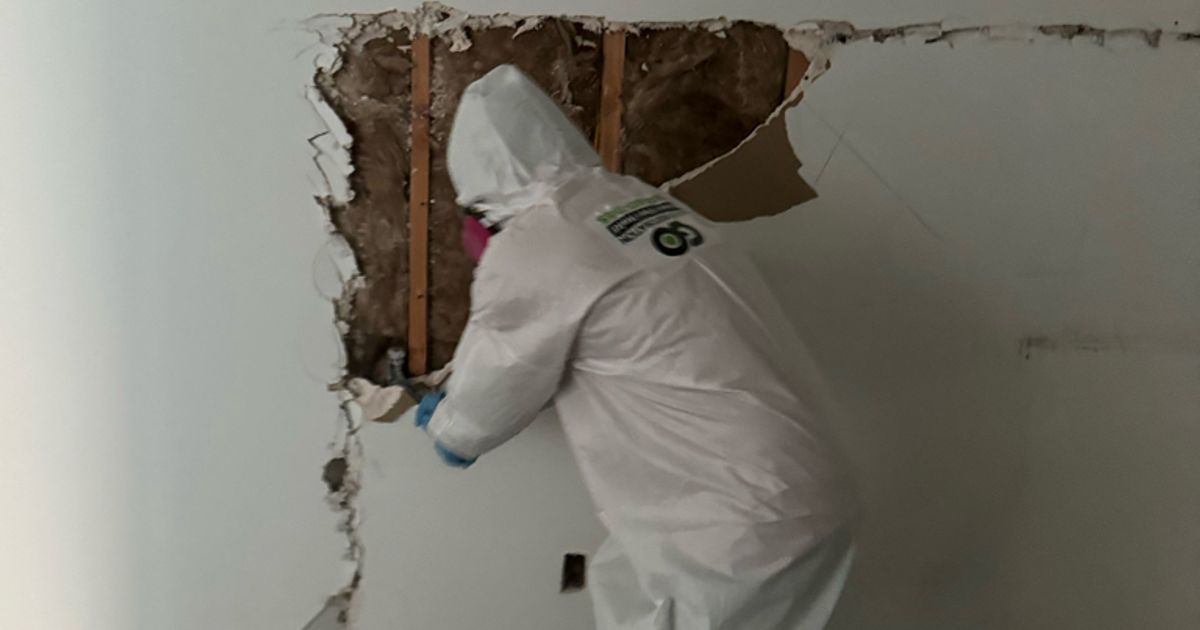
Essential guide to mold rights and responsibilities for Avalon, CA rental properties. Learn California law, disclosure requirements, and remediation obligations.
Living on Catalina Island presents unique challenges for rental property owners and tenants in Avalon. The constant marine moisture and salt air create ideal conditions for mold growth, making it essential for both parties to understand their legal rights and responsibilities under California law. With Avalon's limited infrastructure and the logistical challenges of bringing professional services to the island, addressing mold issues promptly becomes even more important.
The island's rental market, concentrated in areas like Hamilton Cove and near Avalon Harbor, faces particular vulnerability to mold problems. Properties close to the waterfront experience higher humidity levels, while older buildings throughout the 90704 zip code may have aging ventilation systems that struggle against the persistent marine environment. When mold issues arise, professional mold remediation in Avalon requires specialized coordination due to the island's remote location.
California Mold Disclosure Laws for Avalon Landlords
California Civil Code Section 1102.6 requires landlords to disclose known mold conditions that exceed safe levels. In Avalon's marine climate, this disclosure becomes particularly relevant as mold can develop rapidly in properties near Pebbly Beach or other waterfront areas. Landlords must provide written disclosure if they know of mold problems that could affect tenant health, regardless of whether the property is a vacation rental or long-term residence.
The disclosure requirement extends beyond visible mold. If previous water damage occurred in an Avalon rental property—perhaps from coastal storms that frequently impact the island—landlords must inform prospective tenants about potential hidden mold growth. This is especially important for properties that experienced damage during winter storms when wind-driven rain penetrates building envelopes more easily than on the mainland.
Failure to disclose known mold conditions can result in significant legal liability for Avalon landlords. Tenants who discover undisclosed mold problems can pursue damages for health issues, temporary relocation costs, and property damage. Given the island's limited housing options and higher costs associated with emergency accommodations, these damages can be substantial.
Tenant Rights and Responsibilities in Avalon Rentals
Tenants in Avalon rental properties have the right to a habitable dwelling under California's implied warranty of habitability. This includes protection from mold growth that poses health risks. However, tenants also have responsibilities to prevent mold by maintaining proper ventilation and promptly reporting water leaks or moisture problems to their landlords.
The island's unique environment requires extra vigilance from tenants. Properties in Hamilton Cove or near the Catalina Casino may experience different moisture patterns due to their proximity to the harbor or elevation differences. Tenants should regularly check for signs of moisture intrusion, especially around windows facing the ocean where salt air can accelerate deterioration of seals and weather stripping.
When tenants discover mold in their Avalon rental, they must provide written notice to the landlord within a reasonable timeframe. California law generally allows landlords 30 days to address habitability issues, though emergency situations may require faster action. Given the logistical challenges of bringing remediation services to Catalina Island, tenants should document mold conditions thoroughly and communicate urgently with landlords about health concerns.
Landlord Remediation Obligations Under California Law
Avalon landlords have a legal duty to maintain rental properties free from mold conditions that pose health risks. This obligation becomes more complex on Catalina Island due to the challenges of coordinating professional services and obtaining specialized materials. California Health and Safety Code Section 26147 requires landlords to remediate mold problems within a reasonable timeframe once notified.
The remediation process in Avalon often requires advance planning due to ferry schedules and equipment transportation limitations. Landlords cannot simply ignore mold problems because professional services are harder to coordinate than on the mainland. They must take reasonable steps to address moisture sources and arrange for proper mold removal, even if it means higher costs and longer lead times.
Landlords who fail to address mold problems adequately may face legal action under California's tenant protection laws. In Avalon's tight rental market, tenants have additional leverage because alternative housing options are extremely limited. Courts may award significant damages when landlords neglect their remediation responsibilities, particularly if tenants suffer health effects or must relocate off-island temporarily.
Dispute Resolution and Legal Remedies
When mold disputes arise between Avalon landlords and tenants, several resolution options exist under California law. The first step typically involves written communication documenting the problem and requesting remediation. Given the island's small community size and limited housing stock, many parties prefer to resolve issues cooperatively rather than through formal legal proceedings.
If informal resolution fails, tenants may pursue remedies including rent withholding, repair and deduct options, or constructive eviction claims. However, these remedies require careful adherence to California legal procedures. Avalon tenants considering rent withholding must follow Civil Code Section 1942 requirements, including proper notice and ensuring the mold condition substantially affects habitability.
For serious mold problems requiring immediate attention, tenants may need to seek temporary housing off-island while remediation occurs. California law may require landlords to pay reasonable relocation expenses in such cases. Companies like Go Green Restoration, experienced in addressing mold issues throughout Los Angeles County including island properties, understand the unique coordination required for effective remediation in Avalon's challenging environment.
Small claims court provides an accessible option for resolving mold-related disputes involving damages under $10,000. For larger claims or complex cases, superior court litigation may be necessary. However, given Avalon's remote location and small population, mediation or arbitration often provides more practical solutions that preserve ongoing landlord-tenant relationships in the community's limited rental market.
For more information, visit our mold resources.
Need Professional Help?
Go Green Restoration provides 24/7 emergency services throughout Los Angeles and Ventura Counties. Licensed (#1005708), bonded, and insured.