Glendale's Aging Sewer Infrastructure and Your Property
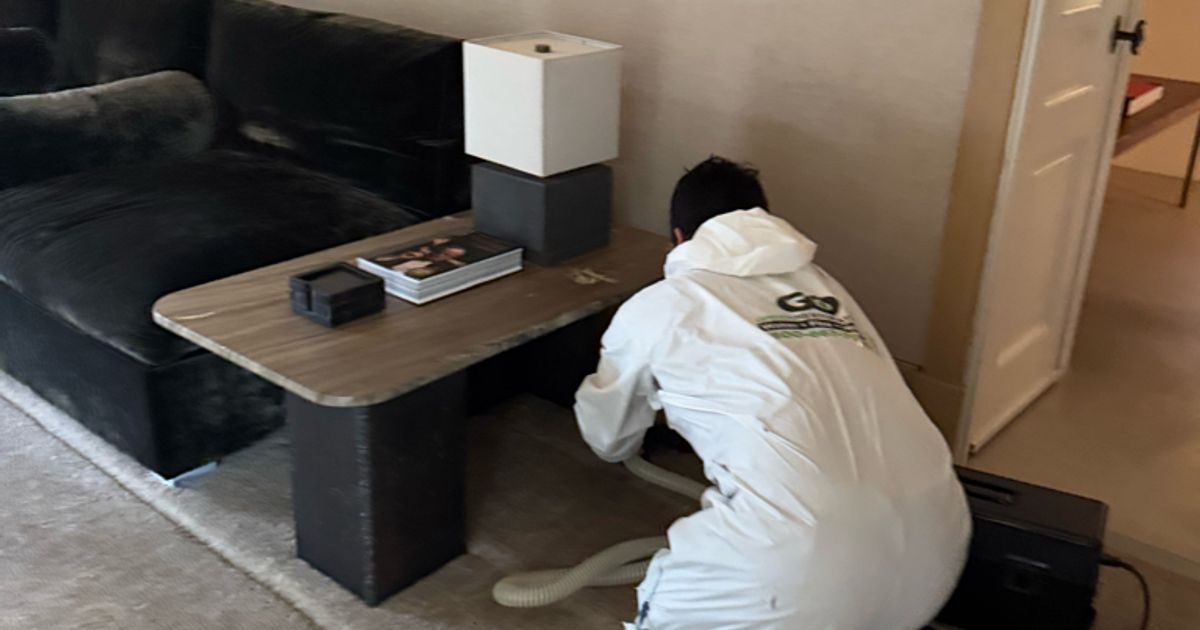
Learn how Glendale's aging sewer system affects your home, from 1920s pipes to modern upgrades. Essential info for property owners in Adams Hill, Verdugo Woodlands & more.
Glendale homeowners face unique challenges with their property's sewer connections, largely due to the city's diverse housing stock spanning nearly a century. From the historic Craftsman homes in Adams Hill built in the 1920s to the modern developments near the Americana at Brand, each era brought different pipe materials and installation methods that directly impact today's maintenance needs.
The hillside neighborhoods of Verdugo Woodlands and Crescenta Highlands experience additional stress on their sewer systems due to ground movement and seasonal drainage patterns from the Verdugo Mountains. When these aging systems fail, property owners need immediate sewage backup & cleanup in Glendale to prevent extensive damage to their homes and landscaping.
Understanding your property's sewer infrastructure based on its construction era helps you anticipate potential issues and plan for maintenance. The variation in pipe materials across Glendale's neighborhoods means that homes just blocks apart may have completely different underground systems requiring different approaches to care and repair.
Pre-1950s Homes: Clay and Cast Iron Challenges
Homes in established neighborhoods like Rossmoyne and parts of Downtown Glendale built before 1950 typically feature clay tile or cast iron sewer lines. These materials were standard for their time but present specific challenges today. Clay pipes, while durable against chemical corrosion, become brittle with age and are susceptible to root intrusion from Glendale's mature tree canopy.
Cast iron pipes in these older properties often show signs of rust and corrosion after 70-80 years of service. The mineral content in Glendale's water supply, combined with the area's seismic activity, accelerates the deterioration of these metal pipes. Homeowners in ZIP codes 91202 and 91205, where many pre-war homes are located, frequently encounter sudden pipe failures that require emergency response.
The original installation methods in these neighborhoods also create problems. Many clay pipes were joined with oakum and lead, connections that shift over time as Glendale's hillside soils expand and contract with seasonal moisture changes. This movement creates gaps where sewage can leak into surrounding soil, potentially affecting foundation stability in these older homes.
Mid-Century Construction: Orangeburg and Early Plastic
Glendale's post-war building boom from 1950-1970 introduced Orangeburg pipes, made from wood pulp and coal tar, to many tract developments. These pipes, common in areas that expanded during this period, have a typical lifespan of 30-50 years and are now well beyond their expected service life.
The Montrose area and parts of the Crescenta Highlands contain many homes from this era where Orangeburg pipes are failing at an accelerating rate. These pipes collapse rather than crack, creating complete blockages that cause immediate backups into homes. Unlike gradual failures in clay systems, Orangeburg failures often happen suddenly and require complete line replacement.
Early plastic pipes from the 1960s, while more durable than Orangeburg, were installed with joining methods that have proven problematic. The expansion and contraction cycles in Glendale's climate, combined with ground movement in hillside areas, stress these early connections and create separation points where roots can penetrate the system.
Modern Systems and Ongoing Upgrades
Homes built after 1980 in Glendale typically feature PVC or ABS plastic sewer lines, which offer better longevity and resistance to root intrusion. However, even these modern systems face challenges from Glendale's unique conditions. The city's hillside terrain means many newer developments in Verdugo Woodlands deal with steep grade changes that can create flow issues if not properly designed.
Glendale's ongoing infrastructure improvement program focuses on replacing main sewer lines throughout the city, but property owners remain responsible for the lateral lines connecting their homes to the street. The city has been systematically upgrading areas with the oldest infrastructure, prioritizing neighborhoods with frequent main line failures that affect multiple properties.
Recent seismic retrofitting requirements have also highlighted sewer line vulnerabilities. Many homes near Forest Lawn Memorial Park and in the hillside areas have discovered that their sewer connections lack proper flexible joints to accommodate ground movement during earthquakes. This has prompted many property owners to proactively upgrade their systems before problems occur.
Geographic Factors Affecting Glendale Properties
The Verdugo Mountains create specific challenges for Glendale's sewer infrastructure that don't exist in flatter areas like nearby Burbank or Eagle Rock. Hillside properties experience seasonal ground movement as soils saturate during winter rains and dry during summer months. This cycle stresses pipe joints and can cause separations in older systems.
Drainage patterns from the mountains also affect sewer performance during heavy rains. Properties in lower elevations, particularly in areas near the Los Angeles River channel, can experience surcharging where storm water overwhelms the combined system capacity. This creates backpressure that forces sewage back toward homes, especially those with older, compromised lateral lines.
The wildfire risk in Glendale's hillside neighborhoods adds another dimension to sewer system concerns. Post-fire debris flows and altered drainage patterns can damage underground utilities, including sewer lines. Properties in the Wildland-Urban Interface zones require special attention to their underground infrastructure after fire events.
## Related Articles
Learn more about restoration services in Glendale:
- Sewage Cleanup Insurance Claims in Glendale: A Homeowner's Guide to Coverage and Claims
- Preventing Sewer Line Problems in Glendale: Essential Maintenance for Your Home
Go Green Restoration regularly works with Glendale homeowners to assess and address sewer-related issues across all these different system types and geographic challenges. Understanding your property's specific infrastructure helps determine the right maintenance approach and timing for potential upgrades.
Regular camera inspections can identify problems before they become emergencies, particularly important for homes with older pipe materials or those located in Glendale's challenging hillside terrain. Early detection allows for planned repairs rather than emergency responses that often result in more extensive property damage and higher costs.
Property owners should also consider their home's elevation relative to the street and main sewer lines. Many Glendale properties sit above street level, providing natural protection against backups, while others at lower elevations may benefit from backflow prevention devices to protect against system surcharging during heavy rain events.
Need Professional Help?
Go Green Restoration provides 24/7 emergency services throughout Los Angeles and Ventura Counties. Licensed (#1005708), bonded, and insured.