Hawthorne's Aging Sewer Infrastructure and Your Property
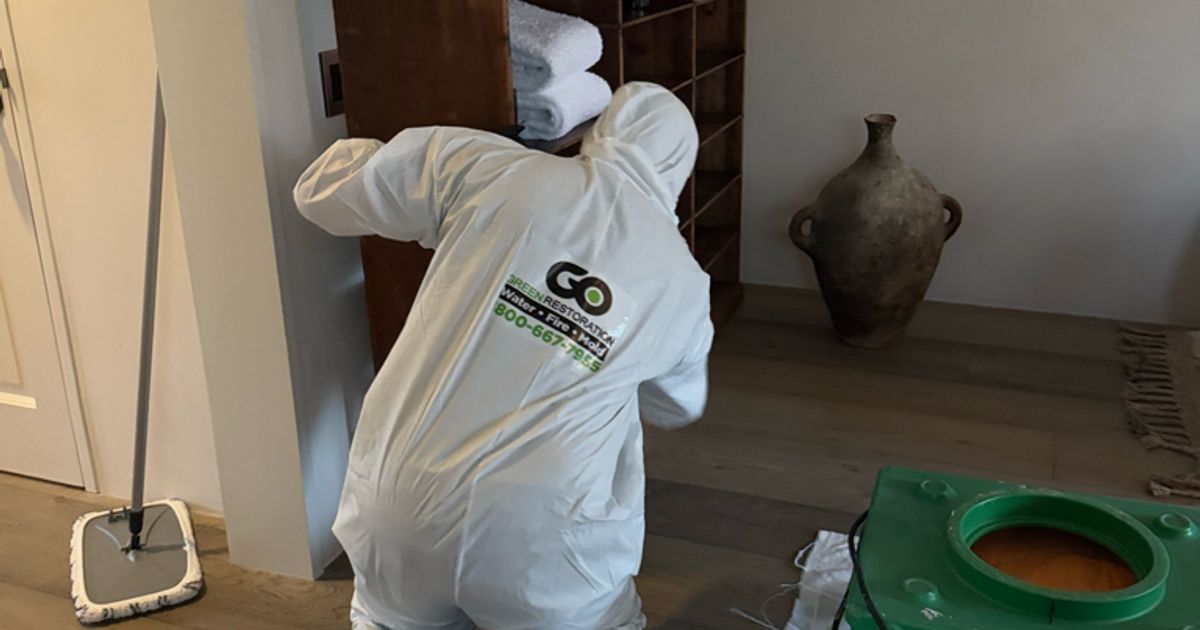
Learn how Hawthorne's aging post-war sewer systems affect your home. Get expert insights on pipe failures and property protection.
Hawthorne homeowners face unique challenges from the city's aging sewer infrastructure, much of which dates back to the post-war housing boom of the 1940s and 1950s. The rapid development that transformed Hawthorne from agricultural land into a thriving residential community left behind a network of clay and cast iron pipes that are now reaching the end of their useful life. These aging systems, combined with the city's flat terrain and proximity to the coast, create conditions that can lead to serious sewage backup issues for properties throughout neighborhoods like Holly Glen, Wiseburn, and North Hawthorne.
The flat topography that characterizes much of Hawthorne, particularly in areas near SpaceX Headquarters and extending toward the Inglewood border, presents drainage challenges that stress the existing sewer system. When heavy rains occur, the limited natural slope means wastewater moves more slowly through pipes, increasing the likelihood of backups. Professional sewage backup & cleanup in Hawthorne becomes necessary when these aging systems fail, often catching homeowners unprepared for the extent of contamination and damage.
Understanding Hawthorne's Pipe Materials by Construction Era
Hawthorne's residential sewer lines reflect distinct construction periods, each with characteristic materials and failure patterns. Homes built in the immediate post-war period (1945-1955) typically feature clay pipes, which were the standard for residential sewer connections. These clay lines, common in established neighborhoods near Hawthorne Memorial Center and throughout the 90250 zip code area, are particularly vulnerable to root intrusion from mature street trees and landscaping.
The construction boom of the 1960s and early 1970s introduced cast iron pipes to many Hawthorne properties, especially in areas that experienced significant development during this period. While cast iron offered improved durability over clay, these pipes are now experiencing widespread corrosion issues. The marine layer moisture that regularly blankets Hawthorne, drifting inland from Manhattan Beach and the coast, accelerates the corrosion process both above and below ground.
Properties built in the late 1970s and 1980s, primarily in North Hawthorne and newer sections of Wiseburn, often feature early PVC installations. While these plastic pipes resist corrosion, improper installation techniques common during the rapid development of this era have led to joint failures and misaligned connections that cause recurring backup problems.
Common Failure Points in Hawthorne's System
The intersection of aging infrastructure and local environmental conditions creates predictable failure patterns throughout Hawthorne. Clay pipe systems frequently fail at joint connections, where decades of ground settling and seismic activity have created gaps that allow soil infiltration and root penetration. This is particularly problematic in areas with mature landscaping, where tree roots from both private properties and city parkways seek out moisture sources.
Cast iron pipes in Hawthorne face accelerated deterioration due to the coastal humidity that characterizes the area. The persistent marine layer creates conditions that promote internal corrosion, while external moisture from irrigation systems and the region's clay-heavy soil composition contribute to pipe wall thinning. These conditions are most severe in properties located in the lower-lying areas of Holly Glen and sections of the 90251 zip code.
The flat terrain that extends from Hawthorne toward neighboring Lawndale and Gardena creates additional stress on the system. Without significant natural slope to assist wastewater flow, pipes must rely entirely on proper grading and adequate capacity. When older pipes experience partial blockages from accumulated debris or minor structural damage, the reduced flow capacity quickly leads to backup conditions during peak usage periods.
Infrastructure Upgrade Status and Property Impacts
Hawthorne's sewer infrastructure modernization efforts focus primarily on main trunk lines and collector systems, with residential lateral connections remaining the responsibility of individual property owners. The city has completed several major upgrades in recent years, particularly in areas surrounding the SpaceX facility and along major corridors connecting to neighboring El Segundo and Inglewood.
However, the connection points between upgraded city mains and aging residential laterals often become failure points. When new, higher-capacity main lines are installed, they can alter flow patterns and create pressure differentials that stress older residential connections. Properties in transitional areas, where new infrastructure meets older residential systems, experience higher rates of backup incidents.
The city's upgrade schedule prioritizes areas based on capacity needs and failure rates, but residential properties throughout Hawthorne continue to rely on decades-old lateral connections. This creates a situation where even properties served by recently upgraded main lines can experience sewage backups due to failures in their individual service connections.
## Related Articles
Learn more about restoration services in Hawthorne:
Homeowners in Hawthorne can take proactive steps to minimize their risk of sewage backup damage. Regular inspection of residential sewer laterals is particularly important for properties built before 1980, when construction standards and materials were less reliable. Video camera inspections can identify developing problems before they result in catastrophic failures.
The marine layer moisture that affects much of Hawthorne requires attention to proper ventilation and drainage around foundation areas. Poor drainage combined with sewer line failures can create extensive contamination that extends beyond immediate plumbing areas. Properties in lower-lying sections of the city should pay particular attention to basement and crawl space conditions, where sewage backups can create long-term moisture and contamination issues.
Go Green Restoration, serving Hawthorne and surrounding Los Angeles County communities, regularly assists homeowners dealing with sewage backup situations caused by these aging infrastructure issues. The combination of old pipe materials, local environmental conditions, and the city's ongoing infrastructure transition creates unique challenges that require specialized knowledge and equipment to address properly.
Maintaining awareness of your property's sewer connection age and condition, combined with understanding how Hawthorne's infrastructure evolution affects residential systems, helps homeowners make informed decisions about maintenance, upgrades, and emergency preparedness. The investment in proactive measures often proves far less costly than dealing with the extensive cleanup and restoration required after a major sewage backup incident.
Need Professional Help?
Go Green Restoration provides 24/7 emergency services throughout Los Angeles and Ventura Counties. Licensed (#1005708), bonded, and insured.