Lake Sherwood's Aging Sewer Infrastructure and Your Property
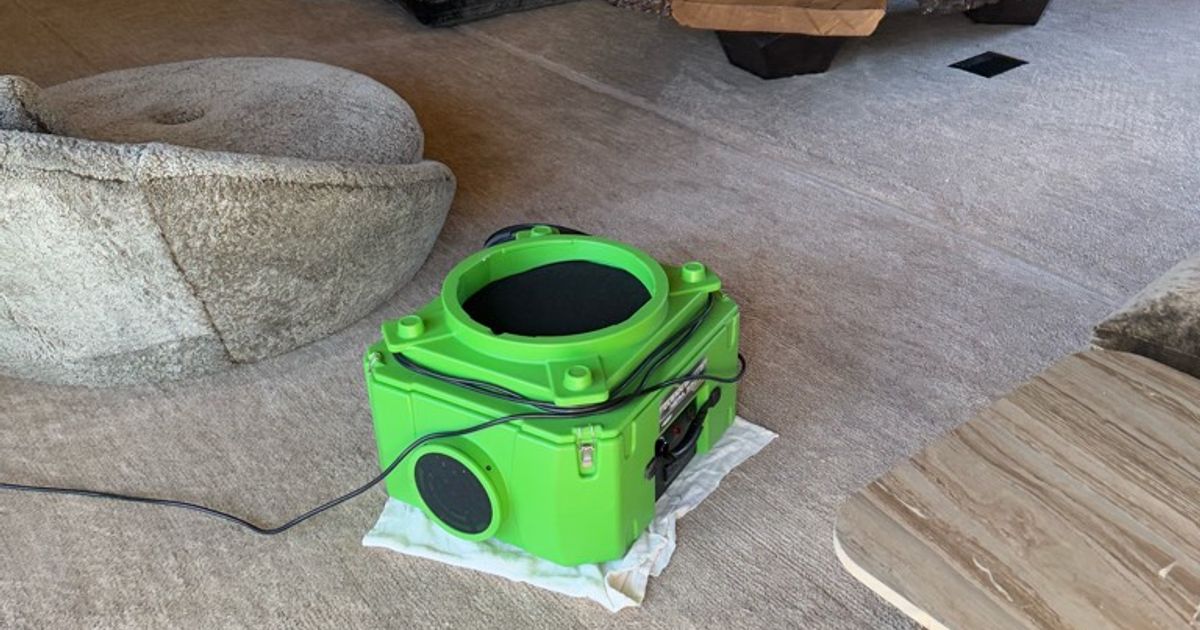
How Lake Sherwood's aging sewer infrastructure affects your property. Learn about pipe materials, failure points, and what homeowners need to know.
Lake Sherwood's exclusive lakeside community sits on infrastructure that tells a story of decades of development, from the original 1960s construction around the private lake to the luxury estates that followed. The community's sewer systems reflect this layered history, with pipe materials and installation methods varying significantly based on when each section of Lake Sherwood Estates was developed. Understanding your property's place in this timeline can help you anticipate potential issues and protect your investment.
The unique geography surrounding Lake Sherwood creates additional stress on underground infrastructure that homeowners in flatter areas rarely face. The Santa Monica Mountains' natural settling patterns, combined with the area's proximity to the lake's moisture-retaining environment, can accelerate deterioration of older sewer lines. When problems do occur, professional sewage backup & cleanup in Lake Sherwood becomes essential to protect both your property and the pristine lake environment that defines this community.
Infrastructure Development Eras in Lake Sherwood
Lake Sherwood's development occurred in distinct phases, each leaving its mark on the underground utility systems. Properties built during the initial 1960s development around the lake itself typically feature cast iron and clay pipe systems that were standard for that era. These original installations served the first wave of homes near Sherwood Country Club and along the lake's immediate shoreline.
The 1970s and 1980s expansion into the hills above the lake introduced different pipe materials, including early PVC installations and transitional Orangeburg pipes made from wood pulp and coal tar. Properties in the higher elevations of Lake Sherwood Estates from this period often have mixed systems, where original clay pipes connect to newer materials as homes were expanded or renovated. The most recent construction phases in the 1990s and 2000s primarily used modern PVC and ABS plastic pipes, though these newer systems must still connect to the older trunk lines serving the community.
Common Failure Points Specific to Lake Sherwood
The lakeside environment creates unique challenges for sewer infrastructure that don't affect inland communities. Properties closest to Lake Sherwood face consistent ground moisture that can accelerate the deterioration of older pipe joints and cause clay pipes to shift or separate. The seasonal water level changes in the lake can also affect groundwater patterns, putting additional pressure on sewer lines during wet periods.
Homes built on the sloping terrain above the lake experience different stress patterns on their sewer systems. The natural settling of hillside properties, combined with the area's seismic activity, can cause rigid cast iron and clay pipes to crack or separate at joints. Root intrusion presents another significant challenge, as the mature oak trees and landscaping throughout Lake Sherwood Estates send roots seeking the moisture found in sewer lines. Properties with extensive landscaping, common in this affluent community, often face recurring root-related blockages in their lateral sewer connections.
The 2018 Woolsey Fire added another layer of complexity to Lake Sherwood's infrastructure challenges. While the community largely escaped direct fire damage, the post-fire period brought increased runoff and soil instability that affected some underground utilities. Properties that experienced any ground movement or had fire suppression water applied to their landscaping may have seen shifts in their sewer line alignment.
Current Infrastructure Status and Municipal Oversight
Lake Sherwood operates under a unique governance structure through the Lake Sherwood Property Owners Association, which maintains many community utilities in coordination with Ventura County systems. The community's private sewer system connects to county trunk lines, creating a hybrid responsibility structure that homeowners must understand. While the association maintains main lines within the community, individual property owners remain responsible for their lateral connections from the house to the main line.
Recent infrastructure assessments have identified several areas where aging pipes require attention, particularly in the original development zones near the lake. The association has been working on a phased replacement program for the oldest cast iron and clay sections, but this process will take years to complete. Properties in Lake Sherwood Estates built before 1980 should be particularly aware of their potential connection to these older main lines.
The county has also been updating its requirements for sewer lateral inspections during property transfers, meaning Lake Sherwood homeowners may need to verify their lateral condition when selling. This has increased awareness of sewer line conditions but also revealed the extent of aging infrastructure throughout the community.
Protecting Your Lake Sherwood Property
Homeowners in Lake Sherwood can take several proactive steps to protect their properties from sewer-related issues. Regular video inspections of sewer laterals can identify problems before they become emergencies, particularly important given the community's remote location and the time it takes for emergency services to reach properties around the lake.
Understanding your property's construction era helps predict potential issues. Homes built in the 1960s and 1970s should prioritize root management and joint integrity monitoring. Properties from the 1980s may need to address Orangeburg pipe sections that are reaching the end of their useful life. Even newer homes should maintain awareness of their connection points to older community infrastructure.
Go Green Restoration has worked extensively with Lake Sherwood properties, understanding both the community's unique infrastructure challenges and the environmental sensitivity required when working near the lake. The company's experience with the area's specific pipe materials and failure patterns helps homeowners address issues quickly while protecting the pristine environment that makes Lake Sherwood special.
## Related Articles
Learn more about restoration services in Lake Sherwood:
Lake Sherwood's infrastructure evolution continues, with ongoing discussions about system upgrades and modernization. The community's commitment to maintaining its exclusive character while updating aging systems creates both opportunities and challenges for homeowners. Understanding your property's place in this larger infrastructure picture helps with both maintenance planning and property value protection.
Staying informed about community infrastructure projects and maintaining your individual systems ensures that Lake Sherwood remains the desirable lakeside community that residents value. Regular maintenance, proactive inspections, and quick response to any issues help protect both individual properties and the shared infrastructure that serves this unique Ventura County community.
Need Professional Help?
Go Green Restoration provides 24/7 emergency services throughout Los Angeles and Ventura Counties. Licensed (#1005708), bonded, and insured.