Preventing Sewer Line Problems in Glendale: Essential Maintenance for Your Home
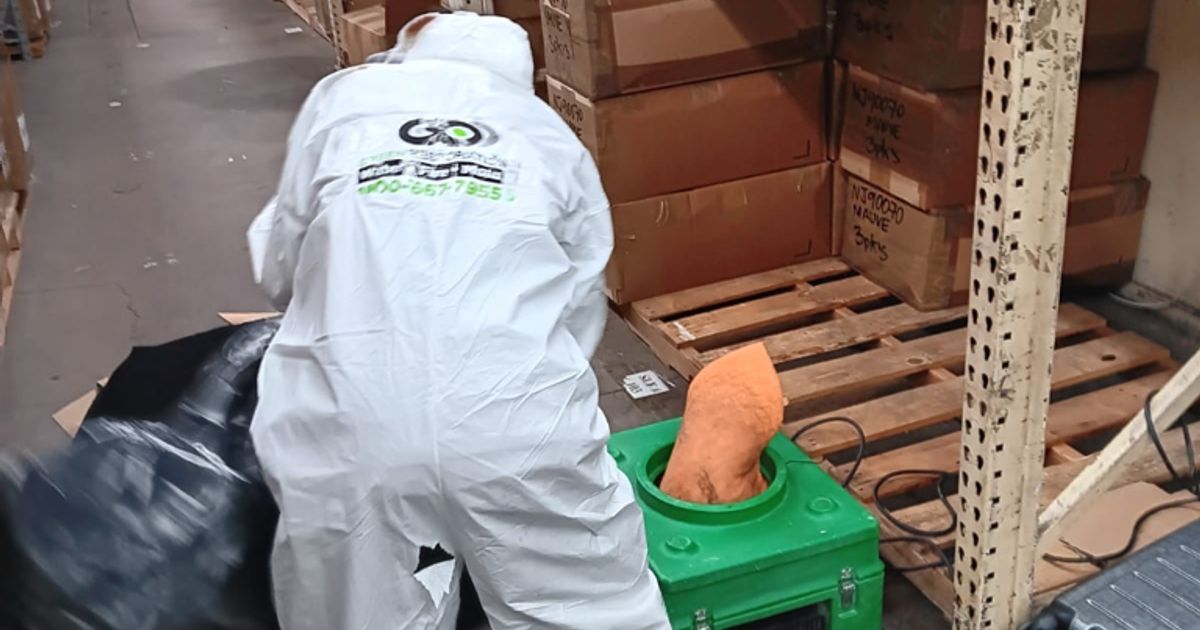
Protect your Glendale home from costly sewer line failures with these proven prevention strategies. Expert tips for Adams Hill, Verdugo Woodlands & more.
Glendale homeowners face unique challenges when it comes to maintaining their sewer systems. The city's diverse topography, from the hillside properties in Verdugo Woodlands to the older neighborhoods near Downtown Glendale, creates varying conditions that can stress underground infrastructure. Properties built into the Verdugo Mountains contend with shifting soil and root intrusion, while homes in established areas like Adams Hill deal with aging clay pipes installed decades ago.
The combination of Glendale's mature tree canopy and older sewer infrastructure makes prevention strategies essential for avoiding costly emergencies. When problems do occur, professional sewage backup & cleanup in Glendale becomes necessary, but smart homeowners focus on prevention first. Understanding your property's specific risks based on location and age helps determine the most effective maintenance approach.
Regular Professional Inspections and Camera Technology
Glendale's varied housing stock requires different inspection schedules depending on your neighborhood and home age. Properties in Rossmoyne and Crescenta Highlands, with their 1920s and 1930s Craftsman homes, should schedule professional sewer inspections every 18-24 months due to aging clay and cast iron pipes. Newer developments near the Americana at Brand can extend this to every 3-4 years, though hillside locations may need more frequent attention.
Camera inspections prove particularly valuable for Glendale homes because they reveal problems before they become emergencies. The technology allows professionals to identify root intrusion common in tree-lined neighborhoods like Montrose, where mature oaks and sycamores send roots seeking water sources. These inspections also detect pipe bellying, a frequent issue in hillside properties where soil movement affects pipe alignment. The visual documentation helps homeowners understand their system's condition and plan maintenance accordingly.
Scheduling inspections before Glendale's rainy season proves especially wise. Properties in the foothills face increased pressure during winter storms, and identifying weak points beforehand prevents backup situations when the system experiences peak demand.
Root Management and Tree-Friendly Practices
Glendale's abundant tree coverage, while beautiful and valuable for property values, creates ongoing sewer line challenges. The city's signature jacarandas, along with mature pepper trees and eucalyptus, have aggressive root systems that seek out sewer lines for moisture. Properties in Verdugo Woodlands and other established neighborhoods must actively manage this relationship between landscaping and infrastructure.
Root treatment involves both reactive and proactive approaches. Annual root cutting services remove existing intrusions, while copper sulfate treatments create barriers that discourage future growth toward pipes. However, Glendale homeowners should coordinate these treatments with the city's urban forest initiatives, ensuring tree health remains protected while managing infrastructure needs.
Landscaping choices significantly impact long-term sewer health. When replacing trees or adding new plantings, select species with less aggressive root systems and plant them away from sewer line paths. Native California plants often work well because they're adapted to local soil conditions and require less water, reducing their motivation to seek out sewer lines. Properties near Forest Lawn Memorial Park can observe how professional landscaping balances mature trees with infrastructure protection.
Smart Drain Care and Household Practices
Daily habits significantly impact sewer line longevity, and Glendale's hard water conditions make proper drain care even more important. The mineral content in local water supplies, combined with soap residue, creates buildup that narrows pipes over time. This proves especially problematic in older homes throughout Adams Hill and Downtown Glendale, where original plumbing may already have reduced capacity.
Kitchen practices require particular attention in Glendale homes. Avoid pouring grease down drains, as it solidifies in pipes and attracts other debris. The city's restaurant culture means many residents cook with oils that can cause problems if disposed of improperly. Instead, collect cooking fats in containers for proper disposal or composting.
Bathroom maintenance involves managing hair, soap buildup, and personal care products that can accumulate in lines. Glendale's older homes often have smaller diameter pipes that clog more easily than modern systems. Monthly hot water flushes help dissolve soap residue, while mesh drain covers prevent hair from entering the system. Residents should also avoid flushing anything beyond toilet paper and human waste, as even "flushable" products can cause blockages in aging infrastructure.
Backwater Prevention and Flood Protection
Glendale's hillside geography creates unique flood risks that make backwater prevention devices valuable investments. Properties in Crescenta Highlands and other elevated areas face different challenges than those in flatter neighborhoods, but both can benefit from properly installed prevention systems.
Backwater valves install in your main sewer line and automatically close when sewage attempts to flow backward into your home. This protection proves especially valuable during heavy rains when Glendale's storm water system can overwhelm sewer capacity. The Verdugo Mountains channel significant runoff during winter storms, and properties downstream from these areas face higher backup risks.
Installation requires professional assessment of your specific property conditions. Homes with basements or below-grade living spaces need different approaches than single-story properties. The valve location must account for your home's elevation relative to the street and main sewer line. Go Green Restoration Inc, as a local expert in Glendale's unique conditions, can evaluate whether your property would benefit from backwater prevention and recommend appropriate solutions.
## Related Articles
Learn more about restoration services in Glendale:
Glendale's Mediterranean climate creates distinct seasonal challenges for sewer systems. The dry summer months can cause clay pipes to shift as soil contracts, while winter rains bring increased flow and potential flooding. Properties throughout the city benefit from seasonal maintenance schedules that address these changing conditions.
Fall preparation involves clearing gutters and ensuring proper drainage away from your foundation. This prevents excess water from saturating soil around sewer lines, reducing the risk of pipe movement or joint separation. Properties in Montrose and other areas with significant elevation changes should pay particular attention to drainage patterns that could affect underground infrastructure.
Winter monitoring becomes essential when storms arrive. Know your system's warning signs, including slow drains, gurgling sounds, or sewage odors. Keep emergency contact information readily available, and understand your home's shutoff locations. Properties that have experienced previous problems should consider temporary measures like sandbags or drain covers during severe weather events.
Spring inspections help identify any damage from winter storms or ground movement. This timing allows for repairs before the next rainy season and takes advantage of typically drier conditions for excavation work if needed.
Need Professional Help?
Go Green Restoration provides 24/7 emergency services throughout Los Angeles and Ventura Counties. Licensed (#1005708), bonded, and insured.