Sewage Backup Emergency Guide for Santa Monica Residents
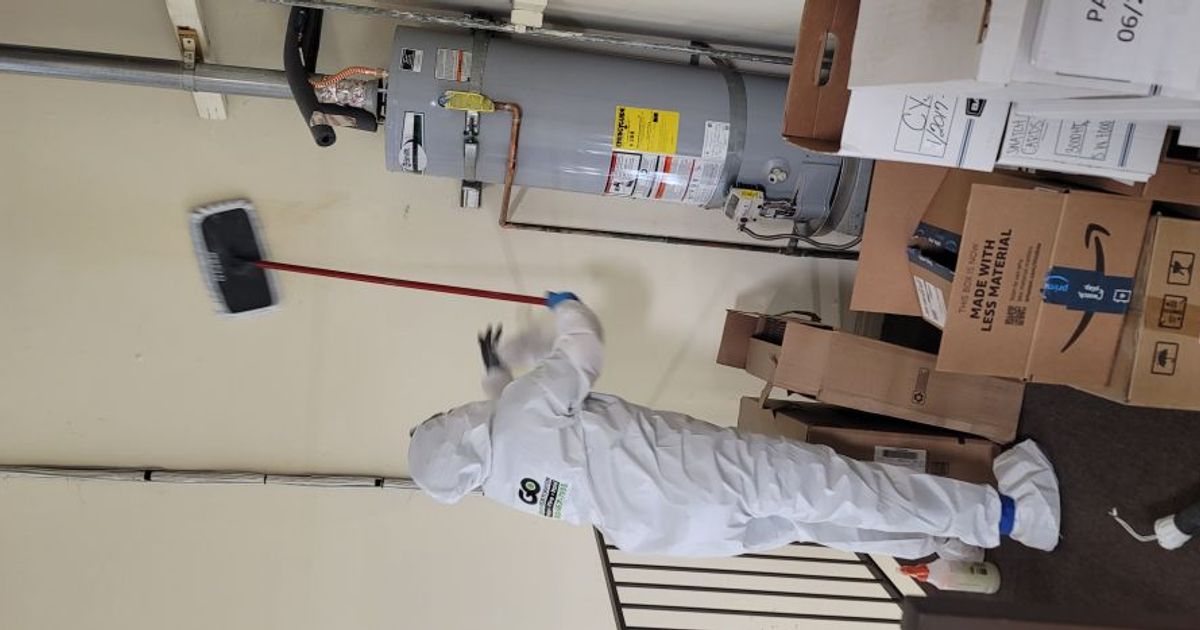
Essential emergency steps for Santa Monica homeowners facing sewage backups. Safety protocols, health hazards, and property protection tips.
Sewage backups strike Santa Monica homes without warning, turning your peaceful Ocean Park bungalow or North of Montana estate into a hazardous environment within minutes. The city's aging sewer infrastructure, combined with heavy rainfall that overwhelms storm drains near the Santa Monica Pier, creates perfect conditions for these devastating emergencies. Understanding how to respond immediately can protect your family's health and minimize property damage.
Santa Monica's unique coastal location presents additional challenges during sewage emergencies. Properties in the Pico Neighborhood and Downtown Santa Monica often experience backups when storm surge combines with high tides, pushing contaminated water through floor drains and toilets. The salt air that residents love can also corrode older plumbing systems, making emergency sewage backup & cleanup in Santa Monica situations more likely in homes built before 1980.
Immediate Safety Actions: Protect Your Family First
The moment you discover sewage in your Santa Monica home, evacuate all family members and pets immediately. Sewage contains dangerous bacteria, viruses, and parasites that pose serious health risks, especially to children and elderly residents. If the backup affects your Wilshire Montana apartment or Mid-City condo, alert neighbors who might be connected to the same sewer line.
Turn off electricity to affected areas from your main breaker panel, but only if you can reach it safely without walking through contaminated water. Many Santa Monica homes near Third Street Promenade have electrical panels in basements or lower levels that may be inaccessible during backups. Never use electrical appliances or touch light switches in areas with standing sewage water.
Contact emergency services if sewage levels rise rapidly or if you suspect the backup affects multiple units in your building. Santa Monica's emergency response teams are familiar with the city's sewer system vulnerabilities, particularly in areas prone to coastal flooding.
What Never to Touch During a Sewage Emergency
Avoid direct contact with any contaminated materials, including furniture, carpets, or personal belongings that have been exposed to sewage water. Even items that appear only slightly damp may harbor dangerous pathogens. This is particularly important for families with antique furnishings common in North of Montana's historic homes or valuable electronics in modern Palisades Park condominiums.
Never attempt to clean sewage with household cleaning products or regular mops and towels. Standard cleaning supplies cannot eliminate the health hazards present in raw sewage, and improper cleanup attempts often spread contamination to previously unaffected areas of your home.
Do not flush toilets or use any plumbing fixtures connected to the affected system. Additional water will worsen the backup and potentially cause sewage to overflow into other areas. Many Santa Monica residents mistakenly believe they can "flush away" small backups, but this typically makes the situation more dangerous and expensive to resolve.
Understanding Health Hazards in Your Santa Monica Home
Sewage contains numerous disease-causing organisms including E. coli, Salmonella, and Hepatitis A virus. These pathogens can cause severe gastrointestinal illness, skin infections, and respiratory problems. Children playing in Ocean Park's family-friendly neighborhoods are particularly vulnerable if they come into contact with contaminated surfaces.
The humid coastal climate in Santa Monica accelerates bacterial growth and mold development following sewage incidents. Properties near the beach face additional risks as salt air can interact with sewage contamination to create more aggressive corrosion of building materials. Mold growth typically begins within 24-48 hours in Santa Monica's moisture-rich environment.
Symptoms of sewage exposure include nausea, vomiting, diarrhea, fever, and skin rashes. Seek immediate medical attention if anyone in your household develops these symptoms after a sewage incident. Santa Monica's proximity to world-class medical facilities makes prompt treatment accessible for residents throughout the 90401-90411 ZIP code areas.
Protecting Your Property While Awaiting Professional Help
Document the damage immediately with photographs and videos for insurance purposes, but maintain safe distances from contaminated areas. Focus on capturing the extent of the backup and any affected valuable items, particularly important for high-end properties in neighborhoods like North of Montana where restoration costs can be substantial.
Remove uncontaminated items from affected areas if you can do so safely. Elevate furniture and belongings in adjacent rooms that haven't been directly impacted by sewage. Many Santa Monica homes feature hardwood floors and custom millwork that require special protection during emergencies.
Open windows and doors to improve ventilation, but be mindful of Santa Monica's coastal winds that could spread contaminated particles to other areas of your home. The ocean breeze that normally provides natural cooling can work against you during sewage emergencies by circulating dangerous airborne contaminants.
Contact your insurance company immediately to report the incident. Many policies have specific time limits for sewage backup claims, and Santa Monica's high property values make proper documentation essential for adequate coverage.
When to Call Professional Restoration Services
Sewage cleanup requires specialized equipment and expertise that goes far beyond standard cleaning. Professional restoration companies understand the unique challenges posed by Santa Monica's coastal environment and can address both immediate contamination and long-term moisture issues that could affect your home's structure.
Go Green Restoration has extensive experience with sewage emergencies throughout Santa Monica, from beachfront properties dealing with storm surge complications to inland homes affected by aging infrastructure. Their team understands local building codes and environmental factors that influence proper restoration techniques.
Time is critical in sewage situations. Professional intervention within the first 24 hours significantly reduces health risks and property damage. The longer contaminated materials remain in your home, the more extensive and expensive the restoration process becomes, particularly in Santa Monica's humid coastal climate where secondary damage develops rapidly.
Never attempt DIY sewage cleanup in your Santa Monica home. The health risks are too severe, and improper cleaning techniques often lead to recurring problems that can affect your family for months or even years after the initial incident.
For more information, visit our sewage & plumbing resources.
Need Professional Help?
Go Green Restoration provides 24/7 emergency services throughout Los Angeles and Ventura Counties. Licensed (#1005708), bonded, and insured.