Sewage Backup Emergency Guide for South Whittier Residents
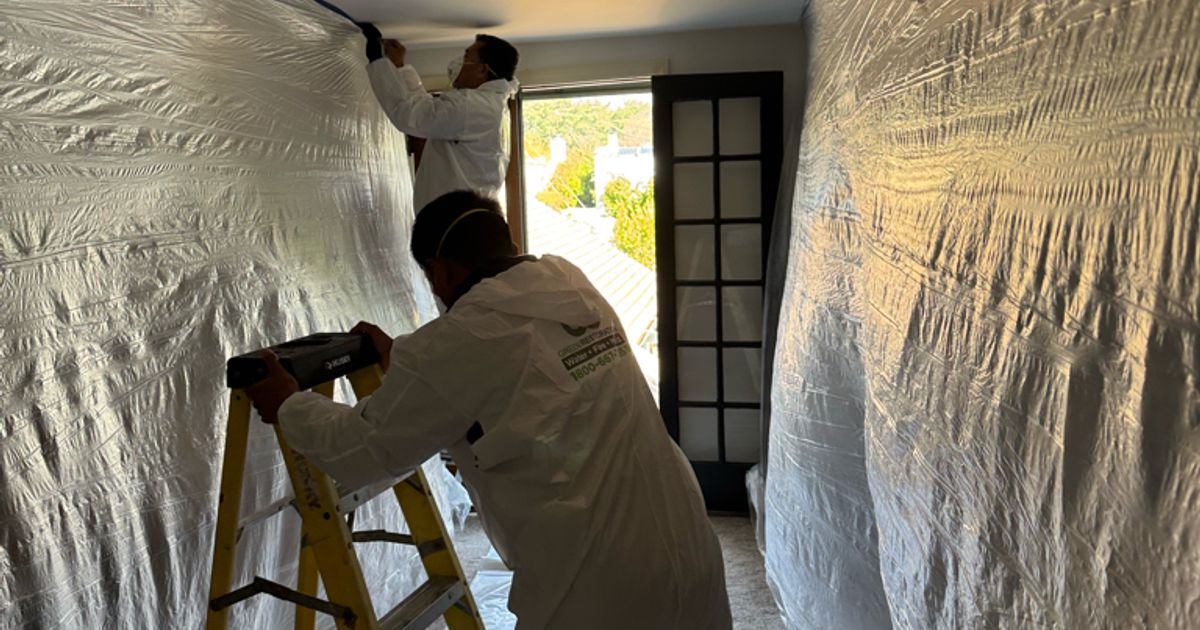
Essential sewage backup emergency guide for South Whittier homeowners. Learn immediate safety steps, health hazards, and property protection tips.
South Whittier's aging housing stock from the 1950s and 60s presents unique challenges when sewage backups occur. The older plumbing systems throughout neighborhoods like South Whittier Community and Los Nietos can fail suddenly, creating hazardous conditions that require immediate action. Understanding how to respond quickly can protect your family's health and minimize property damage.
The flat terrain common throughout South Whittier, particularly in areas near South Whittier Park, can exacerbate sewage backup situations during heavy storms when drainage systems become overwhelmed. Professional sewage backup & cleanup in South Whittier becomes essential when these emergencies strike, but knowing what to do in the first critical minutes can make a significant difference in the outcome.
Immediate Safety Actions During a Sewage Backup
The moment you discover sewage backing up in your South Whittier home, your first priority must be family safety. Turn off electricity to affected areas immediately, especially in basements or ground-floor rooms where sewage water might contact electrical outlets or appliances. Many homes in the 90604, 90605, and 90606 ZIP codes have older electrical systems that pose additional risks when exposed to contaminated water.
Evacuate all family members and pets from contaminated areas immediately. Sewage contains dangerous bacteria, viruses, and parasites that can cause serious illness through skin contact or inhalation. The warm inland climate of South Whittier can accelerate bacterial growth, making quick action even more important than in coastal areas.
Contact your water utility company to report the backup, as the issue might stem from municipal sewer lines rather than your home's plumbing. South Whittier residents should also notify local health authorities if the backup is extensive, as contamination can affect neighboring properties in densely built suburban areas.
What Never to Touch During Sewage Contamination
Never attempt to clean sewage-contaminated materials with household cleaning supplies. The contamination in sewage backups contains Category 3 water, also known as "black water," which requires specialized treatment and disposal methods. Porous materials like carpeting, upholstery, and drywall that have contacted sewage water typically cannot be salvaged safely.
Avoid walking through contaminated water whenever possible, but if you must enter the area, wear waterproof boots, gloves, and protective clothing that can be disposed of afterward. Many South Whittier homes have hardwood or tile flooring from their original construction era, which may be salvageable with professional treatment, but laminate or particle board flooring will likely require replacement.
Don't use fans or heating systems to dry contaminated areas, as this can spread airborne contaminants throughout your home's ventilation system. The forced-air heating common in South Whittier homes can quickly distribute sewage particles to uncontaminated rooms if not properly managed.
Health Hazards Specific to South Whittier's Climate
South Whittier's hot inland summers create ideal conditions for rapid bacterial multiplication in sewage-contaminated areas. Temperatures that regularly exceed 90 degrees Fahrenheit can cause harmful microorganisms to proliferate within hours, increasing health risks for residents in neighborhoods throughout the community.
The low humidity typical of South Whittier's climate might seem helpful for drying, but it can actually cause sewage particles to become airborne more easily, creating inhalation hazards. Children and elderly residents are particularly vulnerable to respiratory complications from sewage exposure, making immediate professional intervention essential.
Symptoms of sewage exposure include gastrointestinal illness, skin irritation, respiratory problems, and infections. The proximity of South Whittier to neighboring communities like Whittier and Santa Fe Springs means that municipal sewer systems can become overwhelmed during peak usage periods, potentially increasing the concentration of contaminants in backup situations.
Protecting Your Property While Awaiting Professional Help
Document all damage with photographs before any cleanup begins, but do so safely from uncontaminated areas. Insurance claims for sewage backups in South Whittier often require extensive documentation, particularly for homes with older plumbing systems that may have contributing factors to the incident.
Remove uncontaminated belongings from affected areas to prevent secondary damage. South Whittier's suburban layout often means homes have basements or ground-level family rooms where sewage backups commonly occur, so protecting items on upper floors becomes a priority.
Open windows and doors in uncontaminated areas to improve ventilation, but avoid creating air currents that might spread contamination. The generally mild weather in South Whittier allows for natural ventilation most of the year, which can help prevent moisture buildup in unaffected areas of your home.
When to Call Emergency Services
Contact emergency services immediately if sewage backup threatens electrical systems, gas lines, or creates structural hazards. The older infrastructure in many South Whittier homes can present additional risks during sewage emergencies, particularly in properties that haven't undergone recent electrical or plumbing updates.
Call for immediate professional help if the backup covers more than a few square feet or if contaminated water reaches a depth of more than an inch. Go Green Restoration Inc specializes in emergency sewage cleanup throughout Los Angeles County and understands the unique challenges faced by South Whittier's aging housing stock.
Seek medical attention if anyone experiences symptoms after potential sewage exposure. The combination of South Whittier's warm climate and the serious health risks associated with sewage contamination means that even minor exposures should be evaluated by healthcare professionals to prevent complications.
For more information, visit our sewage & plumbing resources.
Need Professional Help?
Go Green Restoration provides 24/7 emergency services throughout Los Angeles and Ventura Counties. Licensed (#1005708), bonded, and insured.