Sewage Backup Emergency Response Guide for Vernon Industrial Facilities
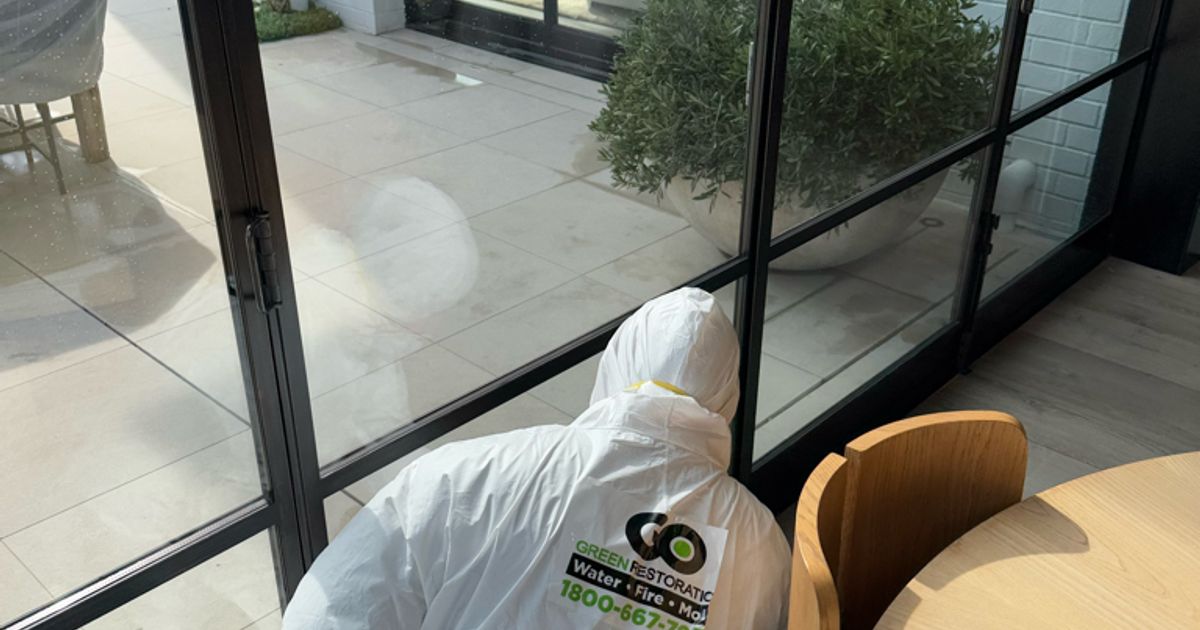
Essential sewage backup emergency steps for Vernon's industrial facilities. Learn safety protocols, contamination control, and professional cleanup procedures.
Vernon's industrial landscape presents unique challenges when sewage backups strike manufacturing facilities, warehouses, and commercial operations along the Industrial Corridor. With the city's aging infrastructure serving heavy industrial use, facility managers and business owners must be prepared to respond swiftly to sewage emergencies that can threaten operations, employee safety, and valuable equipment.
The concentrated industrial nature of Vernon means that sewage backups often involve larger volumes and more complex contamination scenarios than typical residential incidents. Facilities near Vernon Avenue frequently experience backups due to the strain on aging sewer systems from industrial discharge, making rapid response essential for minimizing business disruption and protecting worker health. Professional sewage backup & cleanup in Vernon requires specialized equipment capable of handling industrial-scale contamination.
Immediate Safety Response for Industrial Sewage Emergencies
When sewage backup occurs in Vernon's industrial facilities, the first priority is ensuring worker safety and preventing contamination spread. Immediately evacuate all personnel from affected areas, including production floors, storage areas, and office spaces within the facility. The concentrated industrial environment means contamination can spread rapidly through interconnected systems and affect multiple operational areas simultaneously.
Shut off electrical power to affected zones if water levels approach electrical panels, machinery, or equipment. Vernon's industrial facilities often house high-voltage equipment and sensitive manufacturing systems that require immediate protection from sewage contamination. Establish a clear perimeter around the affected area and post warning signs to prevent accidental exposure by employees, delivery personnel, or contractors who may not be aware of the emergency situation.
Contact emergency services if the backup poses immediate health risks or if hazardous materials may be involved. Many Vernon facilities handle chemicals, petroleum products, or other substances that can create dangerous combinations when mixed with sewage, requiring specialized emergency response protocols.
Health Hazards in Industrial Sewage Contamination
Sewage backups in Vernon's industrial settings present amplified health risks due to the potential mixing of human waste with industrial chemicals and materials. Raw sewage contains dangerous bacteria, viruses, and parasites including E. coli, hepatitis, and salmonella that can cause serious illness through direct contact, inhalation, or ingestion. In industrial environments, these pathogens may be combined with chemical contaminants, creating even more hazardous conditions.
Workers in affected Vernon facilities face respiratory risks from airborne contaminants, especially in enclosed warehouse and manufacturing spaces where ventilation may be limited. The combination of organic waste decomposition and industrial chemicals can produce toxic gases that accumulate in confined areas. Skin contact with contaminated water can lead to infections, rashes, and chemical burns, particularly concerning given the industrial nature of most Vernon operations.
Pregnant employees, workers with compromised immune systems, and those with existing respiratory conditions face elevated risks and should avoid the contaminated area entirely until professional remediation is complete. The industrial setting often means longer exposure periods and larger contaminated areas, increasing the potential for serious health impacts.
Protecting Industrial Property and Equipment
Sewage contamination in Vernon's industrial facilities requires immediate action to protect valuable machinery, inventory, and infrastructure. Move portable equipment, products, and materials to higher ground or unaffected areas of the facility. Industrial operations often involve expensive specialized equipment that cannot be easily replaced, making rapid protection measures essential for minimizing financial losses.
Document all contaminated areas, damaged equipment, and affected inventory with photographs for insurance purposes before cleanup begins. Vernon's industrial facilities typically carry substantial property values and complex insurance arrangements that require detailed documentation of sewage damage. Create a detailed inventory of all items that came into contact with contaminated water.
Avoid attempting to clean contaminated surfaces or equipment yourself, as improper cleaning can spread contamination to previously unaffected areas of the facility. Industrial sewage cleanup requires specialized disinfection procedures and professional-grade equipment to ensure complete decontamination and prevent ongoing health risks to workers.
Professional Industrial Sewage Remediation Process
Vernon's industrial sewage emergencies require specialized remediation approaches that address the unique challenges of large-scale commercial facilities. Professional cleanup teams use industrial-grade extraction equipment, commercial dehumidifiers, and powerful air movers designed to handle the substantial volumes typical in industrial settings. The process begins with complete water extraction, followed by removal of all contaminated materials including insulation, drywall, and flooring that cannot be adequately disinfected.
Industrial facilities often require extensive structural drying due to concrete floors, metal structures, and complex building systems that can trap moisture and promote microbial growth. Professional teams use moisture meters and thermal imaging to identify hidden contamination in walls, under flooring, and within building systems. Complete disinfection involves EPA-approved antimicrobials applied to all affected surfaces, with special attention to HVAC systems that could distribute contaminants throughout the facility.
Go Green Restoration specializes in industrial sewage remediation for Vernon's unique commercial environment, understanding the urgency of minimizing business downtime while ensuring complete decontamination. Their experience with industrial facilities includes working around operational schedules and coordinating with facility management to restore safe working conditions as quickly as possible.
## Related Articles
Learn more about restoration services in Vernon:
Vernon's aging industrial infrastructure requires proactive maintenance to prevent sewage backups that can shut down operations and threaten worker safety. Schedule regular inspections of main sewer lines, especially for facilities with high water usage or industrial discharge requirements. The concentrated industrial activity along Vernon Avenue puts additional strain on sewer systems, making preventive maintenance even more important.
Install backflow prevention devices and sump pumps in vulnerable areas of your facility, particularly basement levels and areas below grade that are common in Vernon's industrial buildings. Monitor weather forecasts during heavy rain periods, as storm water can overwhelm aging sewer systems and cause backups in industrial areas where drainage capacity may be insufficient for current facility needs.
Develop and regularly update emergency response procedures specific to your facility's layout and operations. Train key personnel on sewage emergency protocols, including evacuation procedures, emergency contacts, and initial response steps. Having a clear action plan can significantly reduce the impact of sewage emergencies on your Vernon industrial operation.
Need Professional Help?
Go Green Restoration provides 24/7 emergency services throughout Los Angeles and Ventura Counties. Licensed (#1005708), bonded, and insured.