Sewage Backup Emergency Guide for Whittier Residents
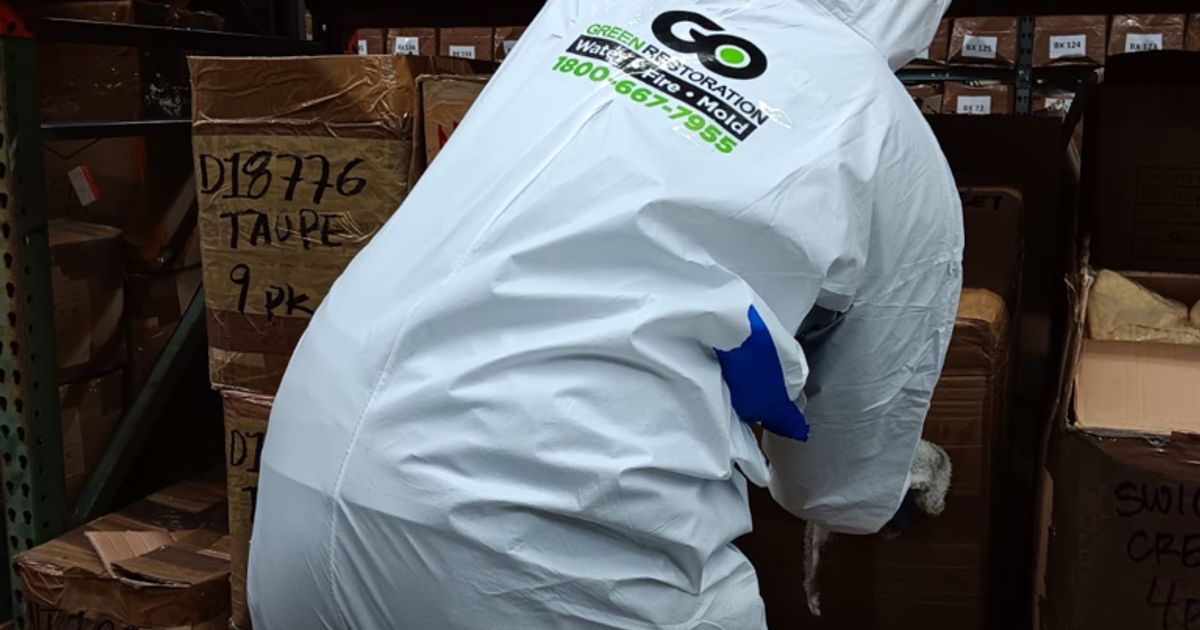
Essential emergency steps for Whittier homeowners facing sewage backups. Learn safety protocols, health risks, and property protection tips.
Immediate Safety Actions During a Sewage Backup
Whittier's aging infrastructure, particularly in neighborhoods like East Whittier and South Whittier where many homes date back to the 1950s and 1960s, makes sewage backups a serious concern for local residents. The moment you discover sewage backing up into your home, your first priority must be personal safety. Turn off electricity to the affected area at the circuit breaker - never enter a flooded area with electrical outlets or appliances that could still be powered. This is especially important in Whittier's older homes near Uptown Whittier, where electrical systems may not meet current safety standards.
Evacuate all family members and pets from the contaminated area immediately. Sewage contains dangerous bacteria, viruses, and parasites that can cause serious illness through skin contact or inhalation. If you're in hillside neighborhoods like Whittier Heights or areas near Turnbull Canyon, be aware that sewage backups can be particularly hazardous when combined with the area's clay soil conditions, which don't drain well and can trap contaminated water for extended periods.
For professional sewage backup & cleanup in Whittier, contact emergency restoration services immediately. The faster you act, the better chance you have of minimizing health risks and property damage in your Whittier home.
Understanding Health Hazards in Whittier's Climate
Whittier's Mediterranean climate creates unique challenges when dealing with sewage contamination. The warm temperatures common throughout much of the year accelerate bacterial growth in sewage-contaminated areas, making quick action essential for homes in neighborhoods like Friendly Hills and South Whittier. Raw sewage contains harmful pathogens including E. coli, Salmonella, and Hepatitis A, which thrive in Whittier's warm conditions.
Never attempt to clean sewage contamination yourself. The health risks are too severe, particularly for children, elderly residents, and anyone with compromised immune systems. In Whittier's densely populated suburban areas, cross-contamination between properties can occur if sewage isn't properly contained and cleaned. This is especially concerning in older neighborhoods near Whittier College, where homes are closer together and share aging sewer lines.
Symptoms of sewage exposure include gastrointestinal illness, respiratory problems, skin infections, and eye irritation. If anyone in your household shows these symptoms after exposure, seek medical attention immediately and inform healthcare providers about the sewage contact.
What Not to Touch or Attempt
Avoid contact with any sewage-contaminated materials in your Whittier home. Don't walk through standing sewage water, even with boots - the contamination can spread to clean areas of your home and create additional health hazards. This is particularly important in Whittier's split-level homes common in areas like East Whittier, where sewage can flow from lower levels to upper floors.
Never use household fans or your HVAC system to dry sewage-affected areas. This spreads contaminated particles throughout your home's air system, potentially affecting rooms that weren't initially contaminated. In Whittier's older homes with original ductwork, this can create long-term air quality problems that are expensive to remediate.
Don't attempt to salvage porous materials like carpeting, padding, drywall, or insulation that have contacted sewage. These materials cannot be adequately disinfected and must be professionally removed and disposed of according to Los Angeles County regulations. Uptown Whittier's historic homes often have original hardwood floors and vintage materials that require specialized assessment to determine if restoration is possible.
Protecting Your Property While Waiting for Help
While waiting for professional restoration services in Whittier, take steps to prevent additional damage without putting yourself at risk. If the backup is coming from a floor drain in your basement or lower level, try to identify and stop the source if you can do so safely from outside the contaminated area. Many homes in Whittier Heights and hillside areas have unique drainage challenges due to the sloped terrain.
Document everything with photos and videos for insurance purposes, but maintain a safe distance from contaminated areas. Whittier's proximity to the Whittier Fault means that sewage backups can sometimes result from earthquake-related pipe damage, which may affect your insurance coverage differently than standard backups.
Remove uncontaminated belongings from areas adjacent to the sewage backup to prevent cross-contamination. In Whittier's ranch-style homes common in neighborhoods like Friendly Hills, sewage can spread quickly across open floor plans, so creating barriers with plastic sheeting can help contain the damage.
Turn off your home's main water supply if you suspect the backup is related to your property's plumbing system. However, if the issue appears related to the municipal system - common in older areas of Whittier where infrastructure dates back decades - contact the city's public works department immediately.
Working with Professional Restoration Services
Go Green Restoration Inc understands the unique challenges Whittier homeowners face with sewage emergencies, from the area's aging infrastructure to the specific soil and climate conditions that affect cleanup and restoration. Professional sewage cleanup involves specialized equipment, protective gear, and disinfection procedures that aren't available to homeowners.
Whittier's diverse housing stock, from historic homes in Uptown Whittier to mid-century properties in South Whittier, requires different restoration approaches. Professional services have the expertise to assess what can be salvaged versus what must be replaced, particularly important for homeowners dealing with insurance claims and restoration costs.
The restoration process typically includes water extraction, removal of contaminated materials, thorough disinfection, dehumidification, and air purification. In Whittier's climate, proper drying is essential to prevent secondary mold growth, which can occur within 24-48 hours in warm, humid conditions.
Prevention and Future Preparedness
Whittier homeowners can reduce sewage backup risks by maintaining their plumbing systems and being aware of local conditions. Have your sewer lines inspected regularly, especially if your home is in older neighborhoods like East Whittier or areas with mature tree growth that can cause root intrusion into pipes.
Understand your property's drainage patterns, particularly important in Whittier's hillside areas near Turnbull Canyon where heavy rains can overwhelm aging storm drainage systems. Consider installing a backflow prevention valve if your home is in a low-lying area prone to municipal sewer backups.
Keep emergency contact information readily available, including your utility companies, the City of Whittier's emergency services, and professional restoration companies. Know where your main water shutoff valve is located and ensure all family members can access it safely. In earthquake-prone Whittier, having an emergency plan that includes sewage backup scenarios can help you respond quickly and safely when disasters strike.
For more information, visit our sewage & plumbing resources.
Need Professional Help?
Go Green Restoration provides 24/7 emergency services throughout Los Angeles and Ventura Counties. Licensed (#1005708), bonded, and insured.