Health Hazards of Sewage Backup in Bellflower Homes
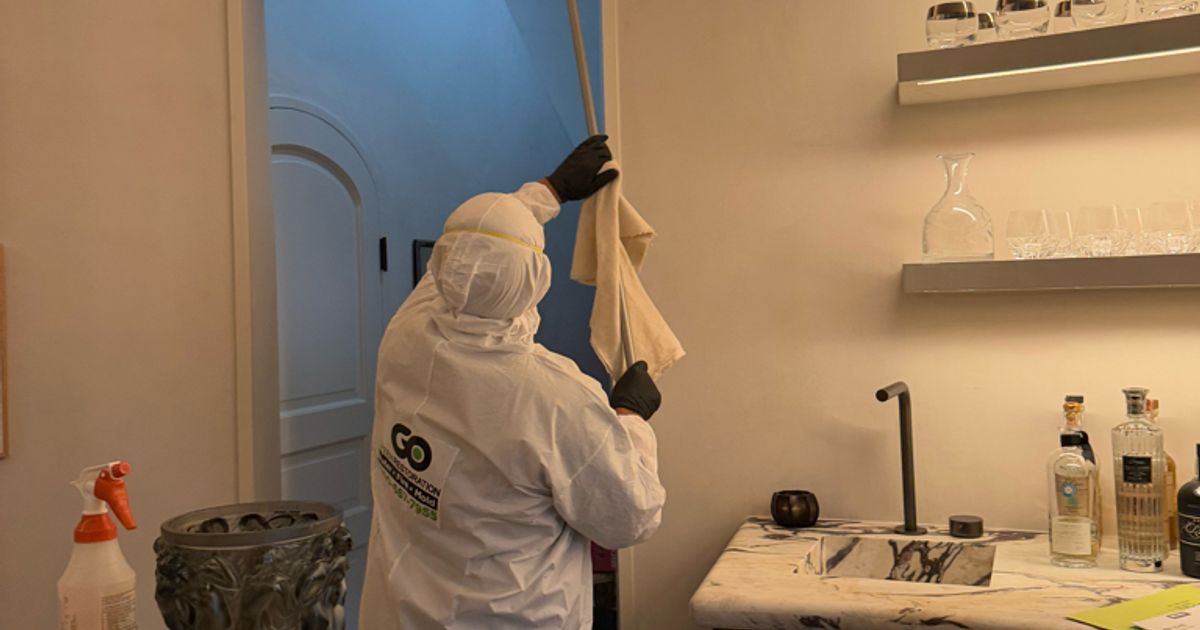
Learn about serious health risks from sewage backups in Bellflower homes, including bacteria, viruses, and chemical contaminants affecting residents.
Bellflower homeowners face unique sewage backup risks due to the city's aging infrastructure and challenging soil conditions. The post-war housing stock throughout neighborhoods like Mayfair and North Bellflower often features galvanized steel pipes that corrode over time, creating vulnerabilities that can lead to dangerous sewage intrusions. When these systems fail, the health consequences extend far beyond property damage.
The flat terrain and clay soils characteristic of the 90706 area create additional drainage challenges that can exacerbate sewage backup situations. These conditions, combined with Bellflower's urban density of nearly 80,000 residents, mean that when sewage systems fail, contamination spreads quickly through homes. Professional sewage backup & cleanup in Bellflower becomes essential not just for property restoration, but for protecting family health.
Understanding the specific health hazards associated with sewage exposure helps Bellflower residents recognize when immediate action is necessary and when to seek medical attention.
Bacterial Infections from Sewage Exposure
Sewage backups in Bellflower homes introduce dangerous bacteria that thrive in the warm, humid conditions common to Los Angeles County. E. coli represents one of the most immediate threats, causing severe gastrointestinal illness that can be particularly dangerous for children and elderly residents in the community. The bacteria spreads rapidly through contaminated surfaces, making homes near Thompson Park or along Bellflower Boulevard especially vulnerable when municipal systems overflow.
Salmonella bacteria in sewage creates another serious health risk for Bellflower families. This pathogen survives on surfaces for extended periods, meaning that even after visible sewage has been removed, contamination persists in carpets, drywall, and furniture. The older homes throughout North Bellflower, with their original hardwood floors and plaster walls, can harbor these bacteria in porous materials that are difficult to properly disinfect without professional intervention.
Shigella bacteria poses additional risks, particularly in multi-family housing common throughout the city. This highly contagious pathogen spreads through minimal contact with contaminated surfaces, making thorough decontamination essential. The close proximity of homes in established neighborhoods means that inadequately cleaned sewage backups can affect multiple families.
Viral Contamination Risks
Hepatitis A virus presents a serious long-term health threat for Bellflower residents exposed to sewage backups. This virus attacks the liver and can cause months of illness, with symptoms including jaundice, severe fatigue, and abdominal pain. The virus survives in sewage-contaminated environments for weeks, making homes near the William Bristol Civic Auditorium area particularly concerning when backups occur in the aging commercial buildings along that corridor.
Norovirus, commonly known as the stomach flu, spreads rapidly through sewage-contaminated homes. In Bellflower's dense residential areas, this virus can affect entire families within days of exposure. The virus remains active on surfaces for extended periods, requiring specialized cleaning protocols that go beyond standard household disinfection methods.
Rotavirus poses particular dangers to young children in Bellflower families. This virus causes severe diarrhea and dehydration, requiring immediate medical attention in many cases. The virus spreads through airborne particles when sewage-contaminated areas dry out, making proper ventilation and professional cleanup essential.
Parasitic Threats in Contaminated Water
Giardia parasites in sewage backups create persistent health problems for Bellflower residents. These microscopic organisms cause chronic digestive issues that can last for months without proper treatment. The parasites form protective cysts that survive standard cleaning attempts, requiring professional-grade disinfection to eliminate completely from homes.
Cryptosporidium represents another parasitic threat that affects immune-compromised residents particularly severely. This parasite resists chlorine-based disinfectants commonly used in household cleaning, making professional sewage cleanup essential for homes in Mayfair and surrounding neighborhoods where older residents may be more vulnerable.
The flat terrain throughout Bellflower means that sewage backups often create standing water conditions that allow parasites to concentrate and multiply. These stagnant conditions, common in basements and crawl spaces of the city's older homes, provide ideal breeding environments for dangerous parasites.
Chemical Contaminants and Toxic Exposure
Sewage systems in Bellflower carry industrial chemicals from commercial buildings along major corridors like Bellflower Boulevard. These chemicals include heavy metals, cleaning solvents, and petroleum products that pose serious health risks when they enter homes through sewage backups. The older commercial infrastructure in the area means that hazardous substances regularly enter the sewage system.
Hydrogen sulfide gas, produced by decomposing sewage, creates immediate respiratory dangers for Bellflower families. This toxic gas can cause headaches, eye irritation, and breathing difficulties, particularly dangerous in the poorly ventilated spaces common in older homes. The gas accumulates in basements and crawl spaces, creating ongoing health risks even after visible sewage has been removed.
Ammonia compounds in sewage create additional respiratory hazards that affect residents with asthma or other breathing conditions. The concentration of these chemicals increases in the warm climate typical of Los Angeles County, making proper ventilation and professional cleanup essential for protecting family health.
Vulnerable Populations and Medical Attention
Children under five face the highest risks from sewage exposure in Bellflower homes due to their developing immune systems and tendency to touch contaminated surfaces. Parents should seek immediate medical attention if children show signs of illness after any sewage contact, including fever, vomiting, or unusual fatigue.
Elderly residents throughout Bellflower's established neighborhoods require special consideration during sewage cleanup situations. Age-related immune system changes make older adults more susceptible to serious complications from bacterial and viral infections. Go Green Restoration Inc works with local families to ensure that vulnerable residents receive appropriate protection during cleanup operations.
Pregnant women face unique risks from sewage exposure, particularly from bacterial infections that can affect fetal development. Any pregnant Bellflower resident exposed to sewage contamination should consult their healthcare provider immediately, regardless of whether symptoms appear.
Residents should seek emergency medical care for severe symptoms including persistent vomiting, high fever, difficulty breathing, or signs of dehydration. The proximity to quality medical facilities in nearby Downey and Lakewood means that Bellflower families have access to prompt treatment when sewage exposure creates health emergencies.
For more information, visit our sewage & plumbing resources.
Need Professional Help?
Go Green Restoration provides 24/7 emergency services throughout Los Angeles and Ventura Counties. Licensed (#1005708), bonded, and insured.