Health Hazards of Sewage Backup in El Monte Homes: Protecting Your Family from Contamination
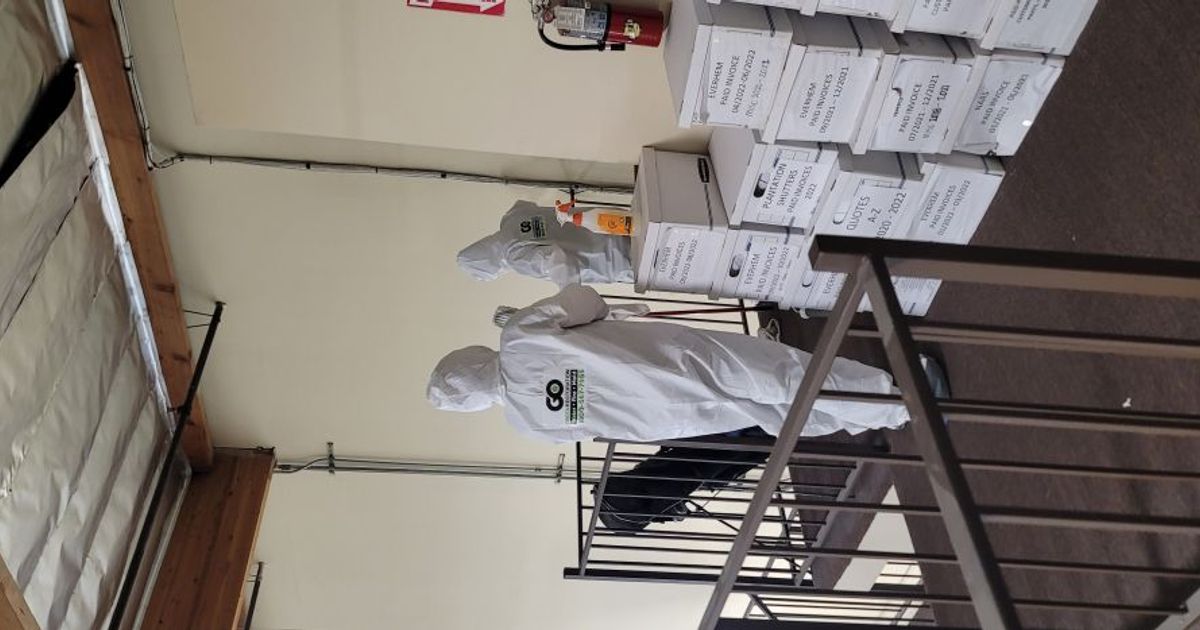
Learn about serious health risks from sewage backup in El Monte homes, including bacteria, viruses, and chemical hazards affecting San Gabriel Valley residents.
El Monte homeowners face unique sewage backup challenges due to the city's aging infrastructure and location in the San Gabriel Valley. Properties built in the 1950s and 1960s throughout neighborhoods like South El Monte and Mountain View often have deteriorating sewer lines that become compromised by mature tree roots from the area's established landscaping. When sewage backs up into homes near the San Gabriel River or in areas prone to flooding during winter storms, residents encounter serious health hazards that extend far beyond property damage. Professional sewage backup & cleanup in El Monte becomes essential to protect families from dangerous contaminants that can cause both immediate illness and long-term health complications.
Bacterial Contamination Risks in El Monte's Urban Environment
Sewage backup in El Monte homes introduces dangerous bacteria that thrive in the warm San Gabriel Valley climate. E. coli, Salmonella, and Campylobacter multiply rapidly in sewage-contaminated areas, especially during summer months when temperatures regularly exceed 90 degrees. Properties in ZIP codes 91731 and 91732 near industrial areas face additional bacterial exposure risks from commercial waste mixing with residential sewage systems. These bacteria cause severe gastrointestinal illness, including bloody diarrhea, fever, and dehydration that can be particularly dangerous for elderly residents in El Monte's established neighborhoods. Residents living near Whittier Narrows Recreation Area may also encounter bacteria from wildlife waste that enters compromised sewer systems during flood events, creating additional contamination layers that standard cleaning cannot address.
Viral Threats from Sewage Exposure
Human waste contains numerous viruses that pose serious health risks to El Monte families, particularly in densely populated areas where sewage systems serve thousands of residents. Hepatitis A, norovirus, and rotavirus survive for extended periods in sewage-contaminated environments, especially in El Monte's older homes with poor ventilation systems. Properties built before modern HVAC standards in neighborhoods like Medina may trap viral particles in carpeting, drywall, and insulation materials. Children attending schools in the El Monte City School District face heightened vulnerability to these viruses, which can spread rapidly through households and into the broader community. The city's proximity to Los Angeles International Airport flight paths also means increased population density and potential for viral transmission when sewage backup affects multi-unit properties near major transportation corridors.
Parasitic Infections and Chemical Hazards
Sewage backup introduces parasites like Giardia and Cryptosporidium that cause prolonged intestinal infections requiring medical treatment. El Monte's location downstream from multiple San Gabriel Valley communities means sewage systems carry parasites from across the region, concentrating contamination risks in local homes. Properties near the 10 and 60 freeway corridors face additional chemical contamination from automotive runoff that enters storm drains connected to sewer systems. Industrial chemicals, cleaning products, and pharmaceutical residues create toxic combinations that can cause respiratory problems, skin irritation, and neurological symptoms. Homes in ZIP code 91733 near manufacturing facilities encounter elevated risks from heavy metals and industrial solvents that accumulate in sewage systems, requiring specialized cleanup protocols beyond standard restoration methods.
Vulnerable Populations in El Monte Communities
Certain El Monte residents face heightened risks from sewage exposure due to age, health conditions, or living situations. The city's significant senior population, particularly in established neighborhoods near El Monte Airport, experiences compromised immune systems that struggle to fight off sewage-borne pathogens. Pregnant women living in areas prone to flooding near the San Gabriel River face risks of birth defects and pregnancy complications from chemical exposure. Children under five years old are especially vulnerable to severe dehydration from bacterial infections, while residents with diabetes, heart disease, or respiratory conditions may experience life-threatening complications from sewage exposure. Multi-generational households common in El Monte's Latino community face particular challenges when sewage backup affects entire families simultaneously, overwhelming local healthcare resources during major contamination events.
## Related Articles
Learn more about restoration services in El Monte:
El Monte residents should seek immediate medical care when experiencing symptoms after sewage exposure, particularly given the city's distance from major medical centers compared to central Los Angeles. Persistent diarrhea lasting more than 24 hours, fever above 101 degrees, or signs of dehydration require emergency treatment at facilities like Garfield Medical Center or PIH Health Hospital Whittier. Residents should contact healthcare providers if they develop skin rashes, respiratory symptoms, or eye irritation after exposure to sewage backup. The San Gabriel Valley's warm climate accelerates bacterial growth, making early medical intervention particularly important for preventing serious complications. Go Green Restoration Inc works with El Monte healthcare providers to document contamination exposure for medical treatment, ensuring residents receive appropriate care while protecting their homes from ongoing health hazards through proper remediation protocols that address the unique challenges of the San Gabriel Valley environment.
Need Professional Help?
Go Green Restoration provides 24/7 emergency services throughout Los Angeles and Ventura Counties. Licensed (#1005708), bonded, and insured.