Health Hazards of Sewage Backup in Ventura Homes: What Every Homeowner Must Know
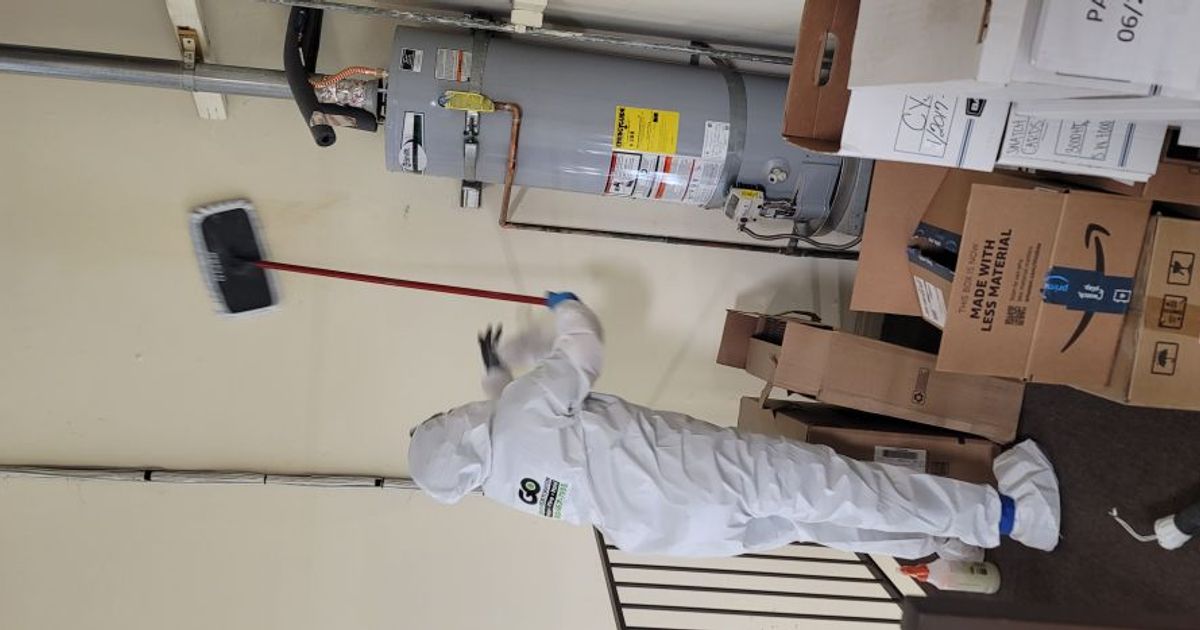
Learn about serious health risks from sewage backup in Ventura homes, including bacteria, viruses, and chemical contaminants affecting local residents.
Sewage backups in Ventura homes pose immediate and severe health threats that many homeowners underestimate. The city's unique geography, from the coastal Pierpont area to the historic downtown district near San Buenaventura Mission, creates specific conditions that can exacerbate contamination risks during sewage incidents.
Ventura's aging infrastructure in neighborhoods like Midtown and East Ventura, combined with the city's position between the Ventura River and Santa Clara River, makes sewage backups a serious concern during heavy rains and storm events. Professional sewage backup & cleanup in Ventura becomes essential when contamination occurs, as exposure to raw sewage can lead to life-threatening illnesses.
The 2017 Thomas Fire demonstrated how quickly Ventura's hillside communities could face infrastructure challenges, and sewage system failures often follow similar patterns of widespread impact across multiple ZIP codes from 93001 to 93009.
Bacterial Infections from Ventura Sewage Exposure
Raw sewage contains dangerous bacteria that thrive in Ventura's coastal climate conditions. E. coli, one of the most common contaminants, causes severe gastrointestinal illness that can be particularly dangerous for residents in areas like Ventura Keys and The Avenue, where older plumbing systems may be more prone to backups.
Salmonella bacteria in sewage waste can survive for weeks in Ventura's moderate temperatures, creating ongoing contamination risks in affected homes near the harbor and downtown areas. These bacteria enter the body through skin contact, inhalation of contaminated particles, or accidental ingestion during cleanup attempts.
Campylobacter infections from sewage exposure cause bloody diarrhea, fever, and cramping that can last for weeks. Ventura homeowners in flood-prone areas along the Ventura River corridor face heightened risks during storm seasons when sewage systems become overwhelmed and backup into residential properties.
Shigella bacteria, another sewage contaminant, spreads easily between family members and can cause dysentery-like symptoms. The bacteria's ability to survive on surfaces makes thorough professional decontamination essential for Ventura homes, especially in densely populated areas like Midtown where cross-contamination risks are higher.
Viral Contamination Risks in Coastal Ventura
Hepatitis A virus commonly appears in sewage waste and poses serious liver infection risks for Ventura residents. The virus can survive for months in sewage-contaminated environments, making homes near Ventura Pier and the harbor particularly vulnerable during backup incidents.
Norovirus, the notorious "stomach flu" pathogen, spreads rapidly through sewage contamination in Ventura's close-knit neighborhoods. Families in areas like Saticoy and East Ventura face heightened transmission risks when sewage backups occur in multi-unit buildings or densely populated residential blocks.
Rotavirus affects children most severely and can cause life-threatening dehydration. Ventura families with young children living in older homes downtown or in Midtown should seek immediate medical attention if sewage exposure occurs, as the city's historic building stock may harbor contamination longer than newer construction.
Adenovirus from sewage can cause respiratory infections, pink eye, and gastrointestinal illness. The virus's persistence in Ventura's coastal air conditions means contaminated homes near Pierpont and the harbor require extensive professional decontamination to eliminate health risks.
Parasitic Threats in Ventura Sewage
Giardia parasites in sewage cause prolonged intestinal infections that can last for months without proper treatment. Ventura's proximity to agricultural areas in nearby Oxnard and Santa Paula increases the likelihood of agricultural runoff mixing with sewage systems, potentially concentrating parasite loads.
Cryptosporidium parasites resist standard chlorine disinfection and can survive in sewage-contaminated Ventura homes for extended periods. These microscopic parasites cause severe diarrhea and dehydration, particularly dangerous for elderly residents in The Avenue and downtown historic districts.
Toxoplasma parasites pose special risks for pregnant women in Ventura, potentially causing birth defects and pregnancy complications. The parasite's presence in sewage makes professional cleanup essential for expectant mothers living anywhere from Ventura Keys to the hillside neighborhoods affected by infrastructure challenges.
Ascaris roundworms from sewage contamination can cause intestinal blockages and malnutrition. Children playing in yards or homes affected by sewage backups in Ventura's family-oriented neighborhoods face particular risks from these parasites.
Chemical Contaminants in Ventura's Sewage Systems
Ventura's industrial history and coastal location mean sewage backups often contain heavy metals like lead and mercury that accumulate in the city's aging pipe systems. These toxins cause neurological damage and developmental problems, especially concerning for families in historic downtown buildings and older Midtown residences.
Pharmaceutical residues concentrate in Ventura's sewage systems, creating hormone disruption and antibiotic resistance risks during backup incidents. The city's dense population in areas like East Ventura and Pierpont increases pharmaceutical contamination levels in residential sewage exposures.
Petroleum products from Ventura Harbor and industrial areas can contaminate sewage backups, causing skin irritation, respiratory problems, and potential cancer risks. Homes near the harbor and coastal areas face additional chemical contamination during sewage incidents.
Household chemicals mixing with sewage create toxic combinations that can cause chemical burns, respiratory distress, and poisoning. Ventura's diverse housing stock, from beachfront properties to hillside homes, means varying chemical contamination risks depending on neighborhood characteristics and local industrial activities.
## Related Articles
Learn more about restoration services in Ventura:
Infants and elderly residents in Ventura face the highest sewage exposure risks due to compromised immune systems. Families in multi-generational homes common throughout Saticoy and East Ventura should evacuate vulnerable members immediately when sewage backups occur.
Pregnant women require immediate medical evaluation after any sewage exposure in Ventura, as bacterial and parasitic infections can cause pregnancy complications and birth defects. The city's proximity to excellent medical facilities makes prompt treatment accessible for affected residents.
People with chronic conditions like diabetes or autoimmune disorders living anywhere from Ventura Keys to the hillside neighborhoods should seek emergency medical care within hours of sewage exposure. Their compromised immune systems cannot effectively fight sewage-borne pathogens.
Go Green Restoration, serving Ventura County communities, recommends immediate medical attention if residents experience fever, severe diarrhea, vomiting, or skin irritation after sewage contact. Ventura's climate and coastal conditions can accelerate infection development, making rapid medical response essential for protecting community health.
Need Professional Help?
Go Green Restoration provides 24/7 emergency services throughout Los Angeles and Ventura Counties. Licensed (#1005708), bonded, and insured.