Storm-Related Sewage Backups in La Habra Heights: What to Know
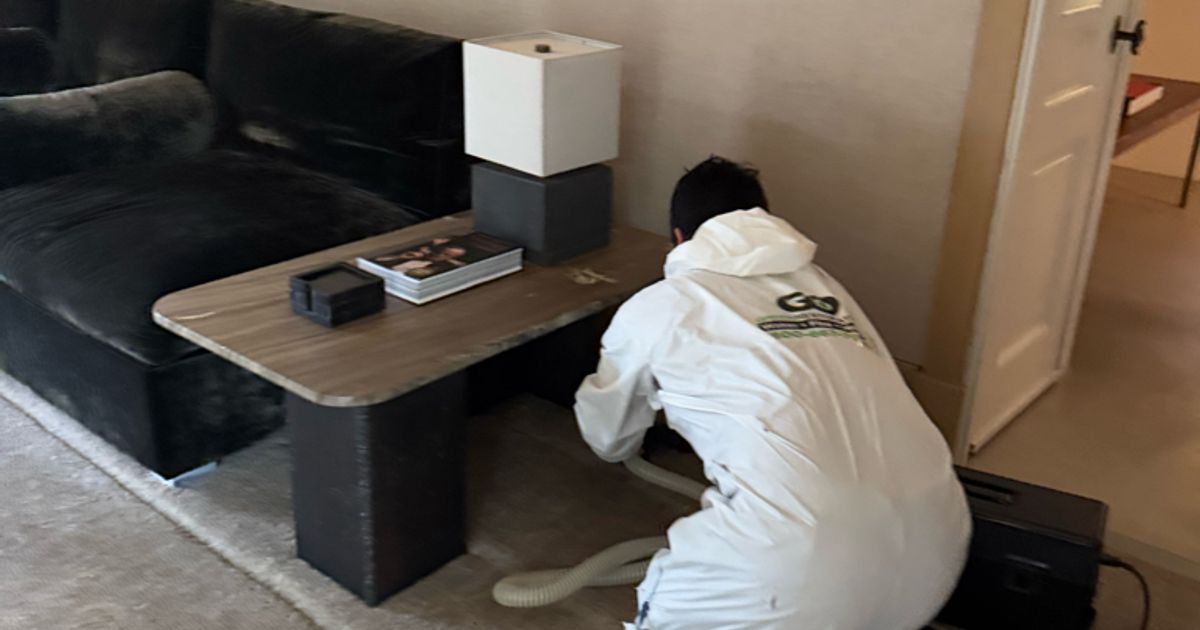
Learn how La Habra Heights' hillside terrain and septic systems create unique sewage backup risks during storms. Essential prep tips for homeowners.
La Habra Heights homeowners face unique sewage backup challenges that differ significantly from neighboring cities like Whittier or La Habra. The community's hillside terrain and reliance on septic systems rather than municipal sewers create specific vulnerabilities during Southern California's increasingly intense storm seasons. Understanding these risks becomes especially important given the area's semi-rural setting, where emergency response times can be longer than in more densely populated areas.
The combination of La Habra Heights' steep topography and large-lot properties with individual septic systems means that heavy rainfall can overwhelm these private waste management systems in ways that centralized sewer systems typically handle better. Professional sewage backup & cleanup in La Habra Heights becomes essential when these systems fail, as the contamination risks are significant and require specialized handling.
How Storm Water Affects La Habra Heights' Septic Systems
The hillside geography that makes La Habra Heights so desirable also creates perfect conditions for septic system failures during storms. When heavy rains saturate the soil around the Hacienda Heights border and throughout the North Heights area, the ground loses its ability to absorb additional wastewater from septic drain fields. This saturation forces sewage back up through floor drains, toilets, and other low-lying fixtures in homes.
Unlike cities with municipal sewer systems that can handle increased flow during storms, La Habra Heights' individual septic systems become overwhelmed when soil conditions prevent proper drainage. The area's clay-heavy soil, common throughout the San Gabriel Valley foothills, compounds this problem by retaining water longer than sandy soils would. Properties near the Hsi Lai Temple area and along the winding hillside roads are particularly susceptible because of their elevation changes and natural water flow patterns.
Storm runoff from higher elevations also carries debris and sediment that can clog septic system components. The rural-residential nature of La Habra Heights means properties often have longer driveways and more landscaping that can contribute organic matter to overwhelmed drainage systems during major weather events.
High-Risk Areas and Property Characteristics
Certain areas of La Habra Heights face elevated sewage backup risks due to their specific topographical and infrastructural characteristics. Homes in lower-lying areas, particularly those near natural drainage channels that flow toward Whittier or Diamond Bar, experience the most frequent backup issues during storms. The community's large lots, while providing privacy and space, also mean that septic systems are often located farther from homes, making early problem detection more difficult.
Properties with basement levels or lower-level living spaces face the greatest immediate risk, as sewage typically backs up through the lowest available drain. Many La Habra Heights homes built into hillsides have these vulnerable lower levels that can quickly become contaminated during a backup event. The area's older homes, some dating back to the community's citrus farming heritage, may have aging septic systems that are more prone to failure during stress events.
Homes with mature landscaping and large trees common throughout La Habra Heights also face additional risks, as root intrusion into septic lines becomes more likely over time. The combination of the area's natural beauty and its infrastructure challenges means homeowners need to be particularly vigilant about system maintenance and storm preparation.
Pre-Storm Preparation Strategies
La Habra Heights homeowners should begin storm preparation well before weather warnings, given the area's unique challenges and longer emergency response times. Start by having your septic system inspected and pumped if it's been more than three years since the last service. The hilly terrain makes emergency pumping during storms difficult or impossible, so preventive maintenance becomes even more important than in flatter areas.
Install backup prevention devices on floor drains and consider sump pumps for lower-level areas prone to water accumulation. Given La Habra Heights' elevation changes, water can flow unpredictably during major storms, making these protective measures essential. Clear gutters and drainage systems around your property, paying special attention to areas where runoff from higher elevations might impact your septic system's drain field.
Create an emergency kit that includes rubber gloves, disinfectants, and plastic sheeting to protect belongings if a backup occurs. Store important documents and valuables above ground level, especially in homes with basement areas. Establish relationships with local contractors before you need them, as the semi-rural nature of La Habra Heights means service providers may be less familiar with the area's specific challenges.
## Related Articles
Learn more about restoration services in La Habra Heights:
When sewage backups occur in La Habra Heights, immediate action becomes even more important due to the community's distance from major urban centers and specialized services. Stop using all water in the home immediately to prevent additional sewage from entering living spaces. Evacuate the affected area and avoid contact with contaminated materials, as sewage contains dangerous bacteria and viruses.
Contact professional restoration services immediately, as companies like Go Green Restoration understand the specific challenges that La Habra Heights' hillside properties and septic systems present. The combination of difficult access, specialized equipment needs, and environmental sensitivity required in this area makes professional intervention essential for safe, effective cleanup.
Document the damage with photos for insurance purposes, but avoid entering contaminated areas without proper protective equipment. The rural-residential setting of La Habra Heights means that contamination can spread more easily across large properties, making professional assessment and cleanup even more important than in more contained urban settings. Professional services can also coordinate with local septic contractors who understand the area's unique soil and topographical challenges for comprehensive system restoration.
Need Professional Help?
Go Green Restoration provides 24/7 emergency services throughout Los Angeles and Ventura Counties. Licensed (#1005708), bonded, and insured.