Storm-Related Sewage Backups in Lake Los Angeles: What to Know
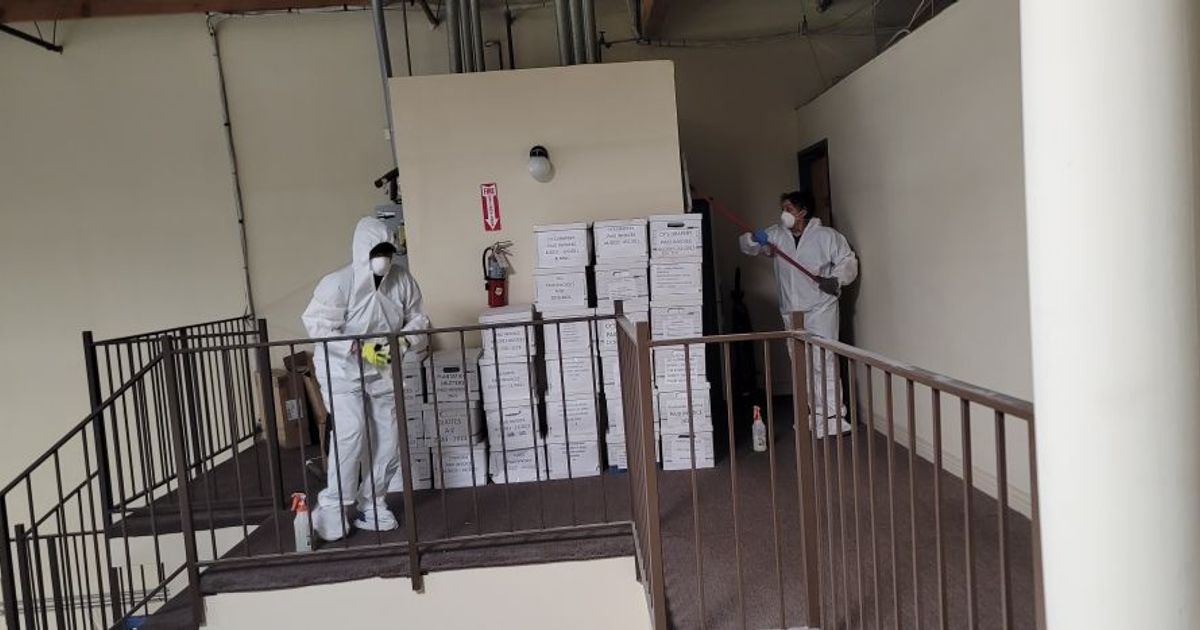
Learn how desert storms cause sewage backups in Lake Los Angeles and what homeowners in the 93535 area need to know about prevention and response.
Lake Los Angeles homeowners face unique challenges when it comes to sewage backups during storm events. The high desert community's location in the Antelope Valley creates conditions where infrequent but intense thunderstorms can overwhelm the area's aging sewer infrastructure, leading to costly and unsanitary backups in homes throughout the 93535 and 93591 zip codes.
The remote nature of Lake Los Angeles means that when sewage emergencies strike, quick response becomes even more important. Professional sewage backup & cleanup in Lake Los Angeles services understand the specific challenges this desert community faces, from flash flooding patterns to the extended response times that come with the area's distance from major urban centers.
How Desert Storms Impact Lake Los Angeles Sewer Systems
The high desert climate around Lake Los Angeles creates a perfect storm for sewer system failures during rare precipitation events. When thunderstorms do hit the area, they often bring intense rainfall that the hardpan desert soil cannot absorb quickly. This runoff rushes toward the community's storm drains and can infiltrate the sewer system through aging pipes and manholes.
Lake Los Angeles Community's sewer infrastructure was designed decades ago when the population was smaller and extreme weather events were less frequent. The system struggles to handle the combination of increased residential development and the intense water flow that occurs during desert flash floods. Areas near Lake Los Angeles Park are particularly vulnerable because they sit in natural drainage patterns that funnel water from the surrounding hills.
The extreme temperature swings common in this high desert location also contribute to sewer line problems. Pipes expand and contract with the dramatic temperature changes, creating cracks and weak points where stormwater can enter the sewage system. During summer months, when temperatures regularly exceed 100 degrees, these expansion issues become more pronounced.
High-Risk Zones in the Lake Los Angeles Area
Certain neighborhoods within Lake Los Angeles face higher risks of sewage backups during storm events. Homes in lower-lying areas of the community, particularly those near the natural washes that drain toward Palmdale and Lancaster, experience the most frequent problems. Properties built in the 1970s and 1980s often have older sewer connections that are more susceptible to infiltration.
The areas closest to Lake Los Angeles Park see increased risk because storm runoff naturally flows toward this central location. Homes with basements or lower-level living spaces face the greatest danger, as sewage backups typically affect the lowest points in a property first. Properties along the main roads leading toward Quartz Hill also experience issues because these areas serve as natural drainage corridors during flash flood events.
Homeowners in the eastern sections of Lake Los Angeles, where the terrain slopes toward the desert floor, often deal with backup issues because their sewer lines must work against gravity to reach the main collection points. When the system becomes overwhelmed, these uphill connections are among the first to experience reverse flow.
Preparation Steps for Lake Los Angeles Homeowners
Preparing for potential sewage backups requires understanding Lake Los Angeles' unique weather patterns. While the area typically receives minimal rainfall, summer monsoon patterns and winter storm systems can bring sudden, intense precipitation that catches homeowners off guard. Installing a backwater valve on your main sewer line provides the first line of defense against reverse flow from overwhelmed municipal systems.
Given the area's extreme heat and remote location, maintaining your home's sewer connections becomes even more important. Regularly inspect visible sewer cleanouts for cracks or damage caused by temperature expansion. The intense UV exposure common in the high desert can also degrade above-ground plumbing components more quickly than in other climates.
Keep emergency supplies readily available, including rubber gloves, disinfectants, and plastic sheeting. Lake Los Angeles' distance from major supply centers means that emergency materials may not be immediately available during widespread storm events. Document your home's sewer system layout and know the location of your main shutoff valve.
Emergency Response During Sewage Backup Events
When sewage backups occur in Lake Los Angeles, quick action becomes vital due to the area's remote location and limited emergency services. Immediately stop using all water fixtures in your home to prevent additional sewage from backing up. Turn off electricity to any affected areas, as the combination of sewage and electrical systems creates serious safety hazards.
Contact your utility provider to report the backup, but understand that response times in Lake Los Angeles may be longer than in more urban areas like Palmdale or Lancaster. The desert location means that specialized cleanup crews may need to travel significant distances to reach your property. Document the damage with photos before beginning any cleanup efforts for insurance purposes.
Avoid attempting to clear major backups yourself, especially in Lake Los Angeles' extreme heat conditions. The combination of hazardous materials and high temperatures creates dangerous working conditions that require professional equipment and expertise. Go Green Restoration has experience with the unique challenges that Lake Los Angeles properties face and understands the specific environmental factors that affect cleanup and restoration in high desert communities.
## Related Articles
Learn more about restoration services in Lake Los Angeles:
Lake Los Angeles homeowners can work together to reduce community-wide sewage backup risks. Regular maintenance of private sewer laterals helps prevent system-wide failures during storm events. The extreme temperature conditions in the area mean that pipe materials may need replacement more frequently than in milder climates.
Consider upgrading older sewer connections with materials designed to handle temperature extremes and potential ground movement common in desert environments. Installing French drains or other landscape drainage solutions can help redirect surface water away from sewer infrastructure during the intense but brief storms that affect the high desert.
Stay informed about planned infrastructure improvements in Lake Los Angeles Community and participate in local discussions about sewer system upgrades. The area's growing population and changing weather patterns may require system modifications to handle future storm events effectively.
Need Professional Help?
Go Green Restoration provides 24/7 emergency services throughout Los Angeles and Ventura Counties. Licensed (#1005708), bonded, and insured.