Storm-Related Sewage Backups in Oxnard: What to Know
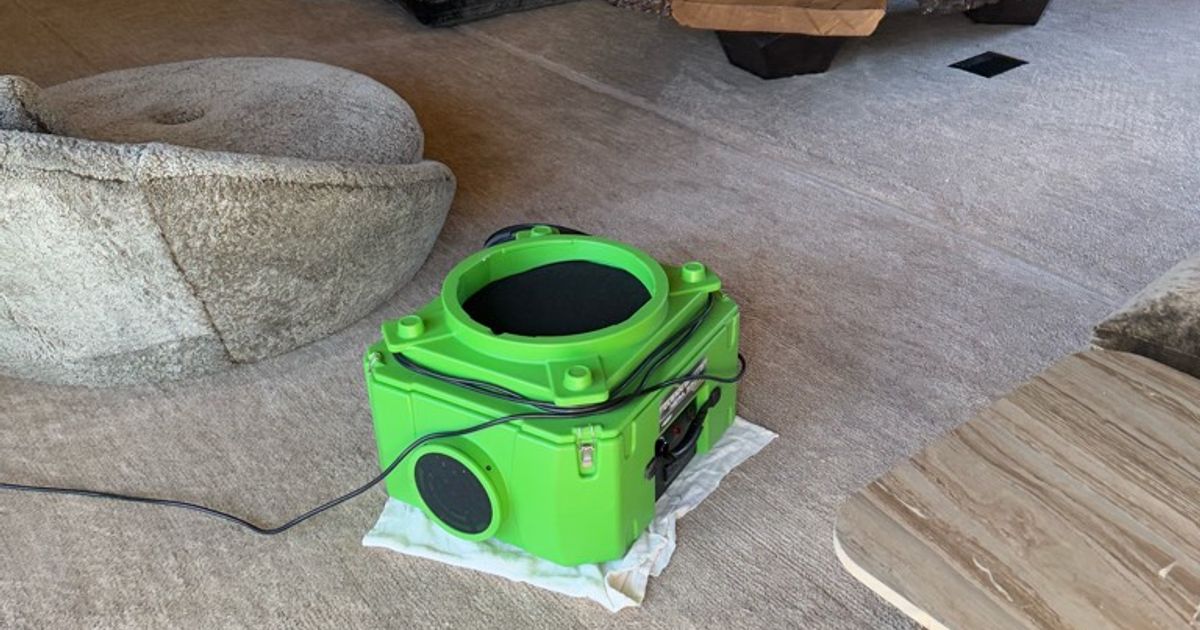
Learn how heavy rains cause sewage backups in Oxnard neighborhoods like Channel Islands Harbor and Riverpark. Essential prep and response tips.
Oxnard's coastal location and aging infrastructure create perfect conditions for storm-related sewage backups during heavy rainfall events. The city's proximity to the Santa Clara River, combined with its flat topography and marine environment, means that neighborhoods from Channel Islands Harbor to South Oxnard face unique challenges when Pacific storms roll through Ventura County.
The combination of saltwater intrusion, agricultural runoff, and urban development has created a complex drainage system that can quickly become overwhelmed. When residents experience sewage-related emergencies, professional sewage backup & cleanup in Oxnard becomes essential to protect both property and health. Understanding how these systems interact during storm events helps homeowners prepare for and respond to potential backups.
How Oxnard's Storm and Sewer Systems Interact
Oxnard's sewer infrastructure faces unique pressures during storm events due to the city's coastal geography and mixed urban-agricultural landscape. The flat terrain between the Santa Clara River and the Pacific Ocean means that stormwater has limited natural drainage options, often overwhelming the combined sewer systems that serve older neighborhoods like Downtown Oxnard and parts of South Oxnard.
During heavy rainfall, the city's treatment facilities near the Oxnard Industrial Complex can receive three to four times their normal flow capacity. This excess volume forces sewage back through the system, particularly affecting lower-lying areas near Channel Islands Harbor and properties close to the Santa Clara River channel. The marine environment adds another layer of complexity, as high tides can prevent proper outflow from coastal treatment facilities, creating a backup effect that travels inland through the sewer network.
Many of Oxnard's established neighborhoods were built before modern stormwater separation standards, meaning that rainwater and sewage share the same pipes. When storm drains in areas like Heritage Square or near Oxnard Beach Park become clogged with debris from agricultural fields or beach sand, the entire system backs up into residential properties.
High-Risk Areas in Oxnard During Storm Events
Channel Islands Harbor and Oxnard Shores face the highest risk during storm events due to their proximity to both ocean surge and inland flooding. These waterfront communities in ZIP codes 93035 and 93036 experience the double impact of coastal storms and drainage backup, particularly during king tide events that coincide with heavy rainfall.
Riverpark and the Collection at RiverPark, despite being newer developments, sit in the Santa Clara River floodplain and can experience sewage backups when the river runs high. The engineered drainage systems in these communities generally perform better than older areas, but extreme weather events can still overwhelm capacity, especially in properties closest to the river channel.
South Oxnard's older residential areas, particularly those built before 1970, have aging clay and cast-iron sewer lines that are more susceptible to root intrusion and structural failure during wet weather. Properties in ZIP codes 93030 and 93033 often experience basement and ground-floor backups when these older systems fail under storm pressure.
Downtown Oxnard's commercial district faces unique challenges due to the concentration of impermeable surfaces and aging infrastructure. The area around Heritage Square can experience significant backup issues when storm drains become overwhelmed, affecting both businesses and nearby residential properties.
Storm Preparation Steps for Oxnard Homeowners
Before storm season arrives, Oxnard homeowners should inspect their properties for potential backup points, paying special attention to basement drains, utility rooms, and ground-floor bathrooms. Properties in Channel Islands Harbor and Oxnard Shores should consider installing backwater valves, which prevent sewage from flowing back into homes during surge events.
Clear all outdoor drains and gutters of debris, particularly important in areas near agricultural fields where soil and plant matter can quickly clog systems. Homeowners in Riverpark and similar developments should ensure that their property's drainage connects properly to city systems and hasn't been compromised by landscaping changes or settling.
Stock emergency supplies including rubber gloves, disinfectants, and plastic sheeting to protect belongings if backup occurs. Keep important documents and valuables elevated, especially in ground-floor storage areas. Properties near the Santa Clara River should have a family evacuation plan that accounts for both flooding and potential sewage contamination.
Consider having your sewer line inspected by professionals, particularly if your home was built before 1980 or if you've experienced previous backup issues. Many properties in South Oxnard and Downtown areas benefit from preventive maintenance that identifies weak points before storm season.
Emergency Response During Sewage Backup Events
When sewage backup occurs during a storm, immediate safety becomes the priority. Turn off electricity to affected areas if water levels threaten electrical outlets or appliances, and avoid contact with contaminated water. In Oxnard's coastal areas, backup water may contain both sewage and saltwater, creating additional health hazards.
Document the damage with photos before beginning any cleanup, but don't delay safety measures. Open windows and doors if weather permits to improve ventilation, though this may be challenging during active storm conditions. Contact your insurance company immediately, as many policies have specific notification requirements for sewage-related damage.
Professional restoration services become particularly important in Oxnard due to the marine environment's impact on contamination levels. Go Green Restoration Inc understands the specific challenges that coastal properties face during sewage emergencies and can provide the specialized cleanup and sanitization services that these unique conditions require.
Avoid using regular household fans or heating systems until the area has been properly assessed and cleaned, as these can spread contaminated particles throughout your home. The combination of sewage, saltwater, and organic debris common in Oxnard backups requires professional-grade equipment and techniques to ensure complete remediation.
## Related Articles
Learn more about restoration services in Oxnard:
- Sewage Cleanup Insurance Claims in Oxnard: A Homeowner's Complete Guide
- Preventing Sewer Line Problems in Oxnard: A Homeowner's Guide to Proactive Maintenance
After emergency cleanup, focus on preventing future incidents through property improvements suited to Oxnard's specific conditions. Consider installing a sump pump system in vulnerable areas, particularly effective for properties in lower-lying neighborhoods near Channel Islands Harbor or the Santa Clara River.
Landscaping modifications can help redirect stormwater away from your foundation, especially important in areas like Riverpark where new development has changed natural drainage patterns. Native plants that can handle both drought and heavy rainfall work well in Oxnard's Mediterranean climate while reducing runoff.
Work with neighbors and local authorities to address community-wide drainage issues, particularly in older neighborhoods where individual property improvements may not be sufficient. Many areas of South Oxnard and Downtown have benefited from coordinated infrastructure improvements that address the root causes of storm-related sewage problems.
Regular maintenance of your property's connection to city sewer systems helps prevent small issues from becoming major problems during the next storm event. In Oxnard's marine environment, this includes checking for corrosion and salt damage that can compromise pipe integrity over time.
Need Professional Help?
Go Green Restoration provides 24/7 emergency services throughout Los Angeles and Ventura Counties. Licensed (#1005708), bonded, and insured.