Storm-Related Sewage Backups in South San Jose Hills: What to Know
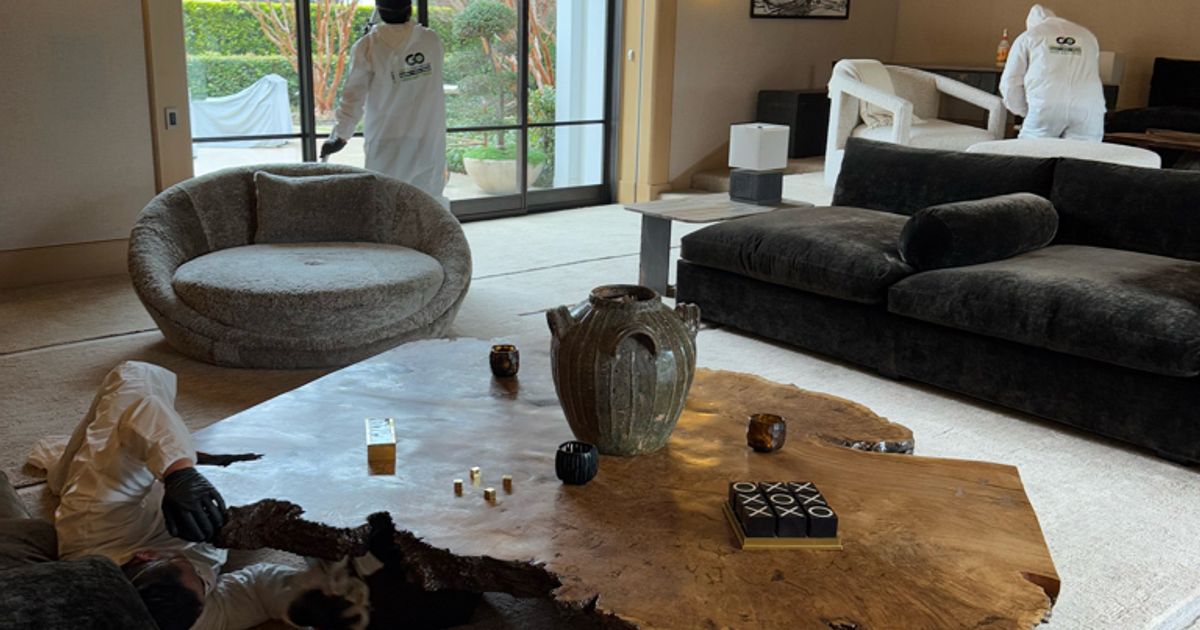
Learn how heavy rains cause sewage backups in South San Jose Hills, CA. Discover high-risk zones, prevention tips, and emergency response for your home.
Heavy rainfall in South San Jose Hills creates a perfect storm for sewage backups, particularly in the community's older residential areas where 1960s-era plumbing systems struggle to handle sudden water surges. The San Gabriel Valley's unique topography, combined with the area's aging infrastructure, makes homes in the 91744 ZIP code especially vulnerable during winter storm seasons and unexpected downpours.
Residents near Valinda Park and throughout the South San Jose Hills Community have experienced firsthand how quickly storm water can overwhelm local sewer systems, leading to costly and unsanitary backups in basements, bathrooms, and laundry rooms. Professional sewage backup & cleanup in South San Jose Hills becomes essential when these emergencies strike, as contaminated water poses serious health risks that require immediate attention.
How Storm Water Overwhelms South San Jose Hills Sewer Systems
The sewer infrastructure serving South San Jose Hills was designed decades ago when the community had fewer residents and less developed surfaces. Today's reality includes more concrete driveways, patios, and structures that prevent natural water absorption, forcing excess storm water directly into already-strained sewer lines that connect to the broader Los Angeles County system.
During heavy rains, storm water infiltrates aging sewer pipes through cracks, loose joints, and deteriorated sections common in the area's 1960s-era plumbing. This infiltration dramatically increases the volume of water flowing through pipes designed for normal sewage loads, creating backpressure that forces sewage back up through floor drains, toilets, and other low-lying fixtures in South San Jose Hills homes.
The situation becomes more severe when storm drains become clogged with debris from nearby areas like La Puente and Valinda, reducing the system's ability to handle surface water runoff. This forces more water into the sanitary sewer system, compounding the backup risks for residents throughout the community.
High-Risk Areas and Vulnerable Properties
Homes in lower-elevation sections of South San Jose Hills face the greatest sewage backup risks during storms, particularly those built on or near the natural drainage patterns that flow toward neighboring West Covina and Hacienda Heights. Properties with basement levels, finished lower floors, or homes situated downhill from Valinda Park experience higher vulnerability due to gravity's role in sewage flow dynamics.
Residences connected to older lateral sewer lines show increased backup frequency, especially those with original clay or cast-iron pipes that have developed root intrusion or structural damage over the decades. The mature trees throughout South San Jose Hills, while providing valuable shade during the area's extreme heat periods, often have root systems that penetrate and damage underground sewer lines.
Corner lots and properties near storm drain intersections face additional risks, as these locations often experience higher water volumes during rainfall events. Homes with multiple plumbing fixtures on the same level as the main sewer line connection point are particularly susceptible to simultaneous backups affecting bathrooms, laundry rooms, and utility areas.
Preparing Your South San Jose Hills Home for Storm Season
Installing a backwater valve represents one of the most effective preparations South San Jose Hills homeowners can make before storm season arrives. These devices, typically installed where your home's sewer line connects to the municipal system, automatically close when sewage attempts to flow backward, protecting your property from contaminated water intrusion.
Regular maintenance of your property's drainage systems becomes essential given the area's challenging conditions. Clean gutters and downspouts regularly, ensuring they direct water away from your foundation and toward appropriate drainage areas rather than overwhelming nearby storm drains that serve the broader San Gabriel Valley network.
Consider having your sewer line professionally inspected and cleaned annually, particularly if your South San Jose Hills home was built during the community's initial development phase in the 1960s. Video camera inspections can identify root intrusion, pipe deterioration, or blockages before they contribute to storm-related backup events.
Create an emergency kit specifically for sewage backup situations, including rubber gloves, disinfectants, plastic sheeting, and contact information for emergency restoration services. Store this kit in an easily accessible location that won't be affected by potential basement or ground-level flooding.
Emergency Response When Backups Occur
When sewage backup strikes your South San Jose Hills home during a storm, immediate action protects both your property and your family's health. Turn off electricity to affected areas before entering any space with standing water, as sewage backups often contain dangerous bacteria and contaminants that pose serious health risks.
Contact emergency restoration professionals immediately, as Go Green Restoration Inc understands the unique challenges facing San Gabriel Valley communities and can respond quickly to minimize damage and health hazards. Document the damage with photographs for insurance purposes, but avoid prolonged exposure to contaminated areas without proper protective equipment.
Remove any salvageable belongings from affected areas, but assume that porous materials like carpeting, drywall, and furniture may require professional assessment or replacement. The combination of sewage contamination and moisture creates ideal conditions for dangerous mold growth, particularly problematic in South San Jose Hills' warm climate.
Notify your insurance company promptly, as many policies have specific notification requirements for water damage claims. Keep detailed records of all cleanup activities, professional services, and temporary living expenses if your home becomes uninhabitable during the restoration process.
Avoid attempting DIY cleanup of sewage-contaminated areas, as proper remediation requires specialized equipment, antimicrobial treatments, and knowledge of health safety protocols that protect your family from long-term exposure risks common with contaminated water events.
For more information, visit our sewage & plumbing resources.
Need Professional Help?
Go Green Restoration provides 24/7 emergency services throughout Los Angeles and Ventura Counties. Licensed (#1005708), bonded, and insured.