Tree Root Intrusion in Azusa Sewer Lines: Causes and Solutions
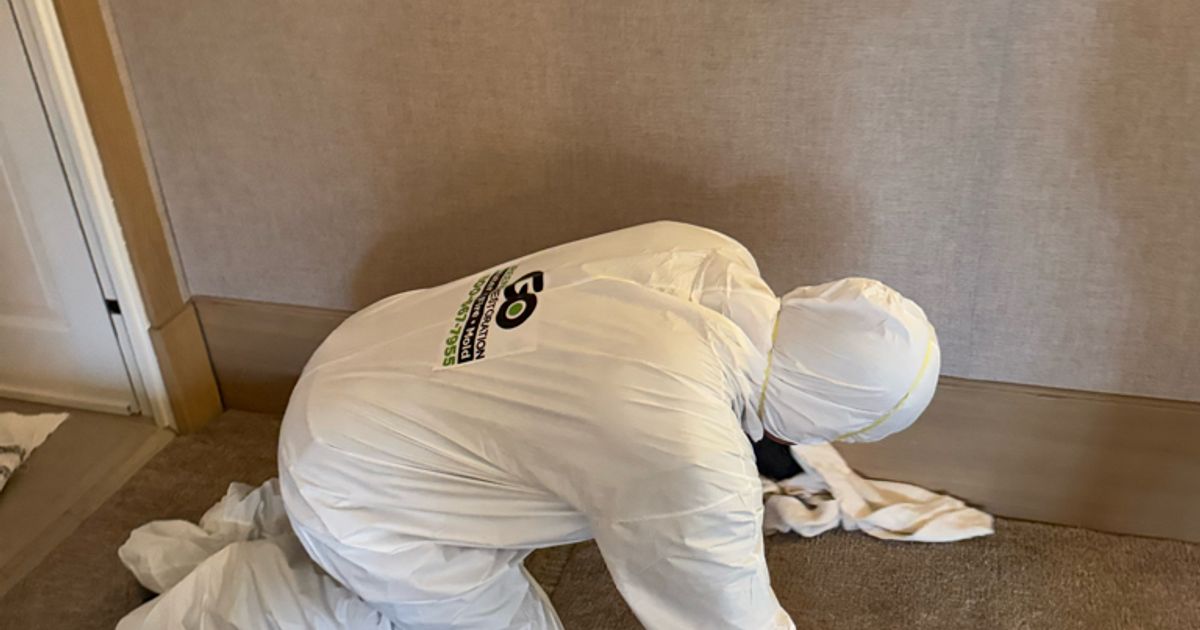
Learn how Azusa's foothill trees damage sewer lines. Identify problem species, detect intrusion signs, and prevent costly sewage backups in your home.
Azusa homeowners face unique challenges when it comes to sewer line maintenance, particularly in neighborhoods like Rosedale and Mountain Cove where mature trees thrive in the foothill environment. The city's location at the mouth of San Gabriel Canyon creates ideal growing conditions for deep-rooted trees that frequently invade underground sewer systems, causing expensive damage and messy backups.
Tree roots naturally seek moisture and nutrients, making Azusa's aging sewer infrastructure an attractive target. The problem becomes especially severe during dry periods when trees extend their root systems further in search of water sources. When roots penetrate sewer lines, they can cause complete blockages that result in sewage backing up into homes, requiring immediate sewage backup & cleanup in Azusa services.
Properties near Azusa Pacific University and the older downtown areas face additional risks due to infrastructure installed decades ago, when pipe materials and installation methods were less resistant to root intrusion. The combination of mature landscaping and aging pipes creates perfect conditions for this common but serious problem.
Azusa's Most Problematic Tree Species
Several tree species common in Azusa's foothill environment are notorious for aggressive root systems that target sewer lines. Eucalyptus trees, planted extensively throughout the city in the early 1900s, produce some of the most invasive root systems. These trees, particularly abundant in neighborhoods backing up to the Angeles National Forest, can send roots over 100 feet from the trunk in search of water.
Pepper trees, another common sight along Azusa's residential streets, develop extensive shallow root networks that easily find and exploit small cracks in sewer pipes. The city's many jacaranda trees, while beautiful during blooming season, also pose significant risks with their water-seeking root systems that can travel surprising distances underground.
Willow trees planted near natural drainage areas or in yards with poor drainage create some of the most severe root intrusion problems. Their roots actively seek out moisture sources and can quickly overwhelm sewer lines once they gain entry. Palm trees, popular in Azusa's Mediterranean climate, may seem less threatening but their fibrous root systems can create dense mats that completely block sewer flow.
Recognizing Root Intrusion Warning Signs
Azusa homeowners should watch for several telltale signs of root intrusion in their sewer lines. Slow-draining fixtures throughout the house often indicate roots are beginning to obstruct flow, particularly when multiple drains are affected simultaneously. Gurgling sounds from toilets or drains, especially during heavy water usage, suggest roots are creating partial blockages.
Unpleasant sewage odors emanating from drains or yard areas can indicate roots have damaged pipes enough to allow gases to escape. In Azusa's foothill properties, homeowners might notice unusually lush grass or vegetation growth in specific yard areas, which often occurs above damaged sewer lines where roots are accessing nutrient-rich sewage.
Frequent toilet backups or slow flushing, particularly in older Azusa neighborhoods with mature landscaping, strongly suggest root intrusion. Homeowners in areas like Mountain Cove should be especially vigilant during Azusa's dry summer months when trees become more aggressive in seeking water sources through sewer lines.
Professional Root Removal Methods
When root intrusion occurs in Azusa sewer lines, several professional removal methods are available depending on the severity of the problem. Mechanical cutting using specialized rotating blades can clear most root blockages, though this method typically provides temporary relief as roots will regrow unless the underlying pipe damage is addressed.
Hydro-jetting uses high-pressure water streams to cut through root masses and clean pipe walls, proving especially effective for Azusa's clay and cast iron pipes common in older neighborhoods. This method can remove years of root accumulation and restore full flow capacity to damaged lines.
Chemical root treatment involves applying herbicides specifically designed for sewer systems, killing roots without harming surrounding vegetation. This approach works well for Azusa properties where preserving mature landscaping is important, though it requires careful application to avoid environmental impact.
For severe cases common in Azusa's older areas, pipe replacement or relining may be necessary. Trenchless repair methods allow professionals to install new pipe linings without extensive excavation, preserving established landscaping while permanently solving root intrusion problems.
## Related Articles
Learn more about restoration services in Azusa:
Preventing root intrusion requires strategic planning, especially important for Azusa properties with mature trees. Regular sewer line inspections using video cameras can identify small cracks before roots exploit them, saving homeowners thousands in emergency repairs and cleanup costs.
Planting trees at appropriate distances from sewer lines prevents future problems. Azusa homeowners should maintain at least 10 feet between large trees and sewer lines, with greater distances for species known for aggressive root systems. When landscaping near Azusa Pacific University or in established neighborhoods, choose smaller trees or shrubs with less invasive root systems.
Installing root barriers made of metal or chemical-treated materials can redirect root growth away from sewer lines. These barriers work particularly well in Azusa's foothill properties where natural drainage patterns might otherwise guide roots toward underground utilities.
Regular maintenance treatments using enzyme-based products can help prevent small root intrusions from becoming major problems. As Go Green Restoration Inc has observed throughout Los Angeles County, proactive maintenance costs far less than emergency sewage cleanup and restoration services.
Maintaining proper drainage around your property reduces the likelihood that trees will seek moisture from sewer lines. Azusa's clay soil conditions require special attention to drainage, particularly in areas prone to mudslides after wildfire seasons.
Need Professional Help?
Go Green Restoration provides 24/7 emergency services throughout Los Angeles and Ventura Counties. Licensed (#1005708), bonded, and insured.