Tree Root Intrusion in Los Angeles Sewer Lines: Causes and Solutions
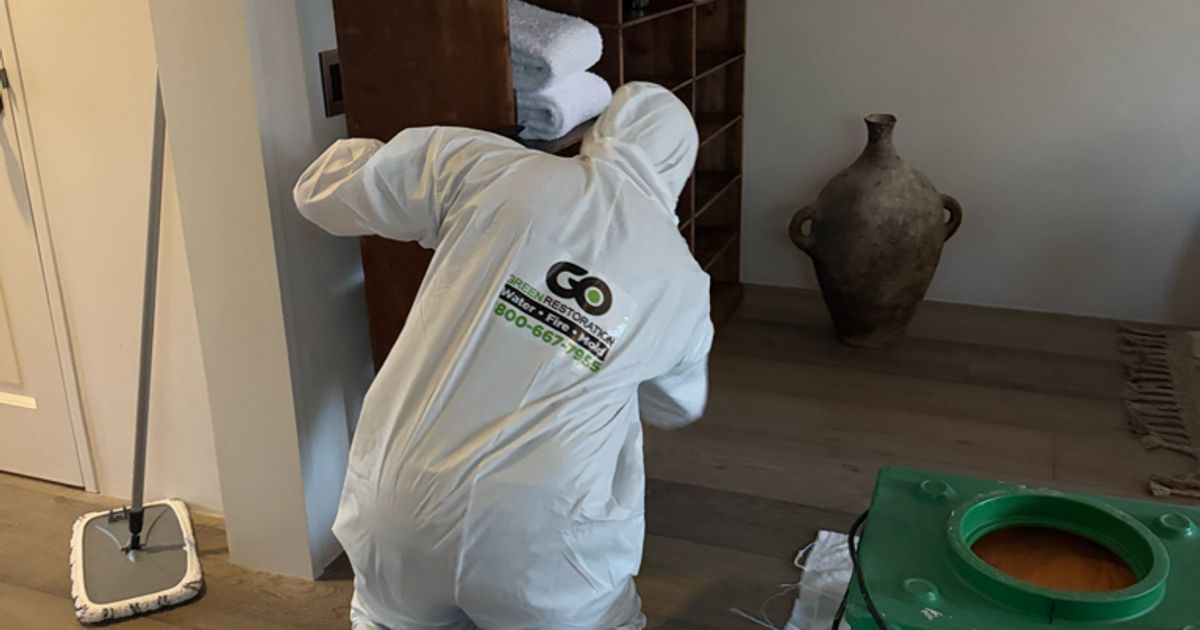
Los Angeles homeowners face tree root damage to sewer lines from eucalyptus, ficus, and pepper trees. Learn detection signs and prevention strategies.
Los Angeles homeowners face a persistent challenge that comes with living in one of the most tree-diverse urban environments in the world. The city's extensive urban forest, featuring everything from towering eucalyptus trees in Pacific Palisades to massive ficus trees lining the streets of Beverly Hills, creates ongoing threats to residential sewer systems. Tree roots naturally seek moisture and nutrients, making the city's aging sewer infrastructure an irresistible target.
The problem becomes particularly acute in established neighborhoods like Los Feliz, Silver Lake, and West Adams, where mature trees planted decades ago have developed extensive root systems that extend far beyond property lines. When these roots infiltrate sewer pipes, homeowners often discover the issue only after experiencing backed-up drains or sewage overflow, requiring immediate sewage backup & cleanup in Los Angeles services to address the contamination and health hazards.
Los Angeles Tree Species That Target Sewer Lines
Certain tree species throughout Los Angeles County pose greater risks to sewer infrastructure than others. Eucalyptus trees, commonly found in areas like Manhattan Beach and the Hollywood Hills, develop aggressive root systems that can extend up to 100 feet from the trunk. These Australian natives, planted extensively throughout the early 1900s, feature roots that actively seek water sources and can penetrate even small cracks in sewer pipes.
Ficus trees present another major concern for homeowners in neighborhoods like Hancock Park and Mid-Wilshire. These popular shade trees, recognizable by their broad canopies and distinctive aerial roots, create extensive underground networks that can completely overwhelm sewer lines. The city's Mediterranean climate allows ficus roots to remain active year-round, continuously growing toward moisture sources.
Pepper trees, scattered throughout areas like Echo Park and Boyle Heights, may appear less threatening due to their graceful appearance, but their root systems are equally destructive. Willow trees near water sources in areas like Griffith Park and the Los Angeles River basin also pose significant risks, as their naturally water-seeking roots can travel remarkable distances to reach sewer lines.
Recognizing Root Intrusion Warning Signs
Los Angeles homeowners should monitor several key indicators that suggest tree roots have compromised their sewer lines. Slow-draining fixtures throughout the home often signal the earliest stages of root intrusion, particularly when multiple drains are affected simultaneously. This issue becomes more noticeable during the city's dry months from May through October, when trees actively seek alternative water sources.
Gurgling sounds from toilets and drains represent another common warning sign, especially in older neighborhoods like Highland Park and Eagle Rock where clay sewer pipes are more susceptible to root penetration. These sounds indicate that roots are partially blocking the pipe, creating air pockets as waste water attempts to flow around the obstruction.
Unpleasant sewage odors emanating from drains or appearing in yards often indicate that roots have created significant blockages or even cracked pipes. In hillside communities like Sherman Oaks and Encino, homeowners might notice unexplained patches of lush, green grass in their yards during dry periods, suggesting that sewage is leaking from damaged pipes and fertilizing the surrounding soil.
Professional Root Removal Methods
Addressing tree root intrusion in Los Angeles sewer systems requires specialized equipment and expertise. Professional restoration companies like Go Green Restoration utilize hydro-jetting technology, which uses high-pressure water streams to cut through root masses and clear blocked pipes. This method proves particularly effective for the dense root systems common to eucalyptus and ficus trees throughout the city.
Mechanical cutting tools, including specialized root-cutting blades, provide another solution for severe blockages. These tools can navigate the turns and bends typical of Los Angeles residential sewer systems while effectively severing roots that have grown into pipe joints and cracks. The process requires careful navigation of the city's varied sewer line materials, from newer PVC installations in developments like Playa Vista to older clay pipes in established neighborhoods.
For extensive root damage, pipe relining or replacement may be necessary. Trenchless repair methods have become increasingly popular in dense urban areas like Koreatown and Downtown LA, where traditional excavation would disrupt busy streets and established landscaping. These techniques allow professionals to repair or replace damaged sections without extensive digging.
Prevention Strategies for Los Angeles Homeowners
Preventing tree root intrusion requires proactive planning that considers Los Angeles's unique urban environment. When planting new trees, homeowners should research mature root spread patterns and maintain appropriate distances from sewer lines. In areas like Brentwood and Westwood, where property lots are typically larger, homeowners have more flexibility in tree placement.
Regular professional inspections using video camera technology can identify potential problems before they become major issues. This approach proves especially valuable in neighborhoods with mature landscaping, such as Hancock Park and Los Feliz, where established trees may already be impacting underground infrastructure.
Root barriers installed during new construction or major landscaping projects can redirect root growth away from sewer lines. These physical barriers work particularly well in areas like the San Fernando Valley, where new developments continue to expand and homeowners can implement preventive measures from the beginning.
Chemical root treatments, applied annually through cleanouts, can discourage root growth in existing sewer lines without harming established trees. This maintenance approach works well for homeowners throughout Los Angeles who want to preserve their mature urban forest while protecting their sewer infrastructure.
Working with Los Angeles's Urban Forest
Living successfully with Los Angeles's diverse tree population requires understanding that these urban giants provide immense benefits while presenting ongoing maintenance challenges. The city's trees reduce air pollution, provide cooling shade during hot valley summers, and contribute to the distinctive character of neighborhoods from Venice to Pasadena.
Homeowners can enjoy their mature trees while protecting their sewer systems through regular maintenance, strategic planning, and prompt attention to warning signs. The key lies in recognizing that tree root intrusion represents a manageable challenge rather than an insurmountable problem, allowing Los Angeles residents to maintain both their beautiful urban forest and functional sewer infrastructure.
For more information, visit our sewage & plumbing resources.
Need Professional Help?
Go Green Restoration provides 24/7 emergency services throughout Los Angeles and Ventura Counties. Licensed (#1005708), bonded, and insured.