Why Sewage Backups Happen in Citrus and How to Prevent Them
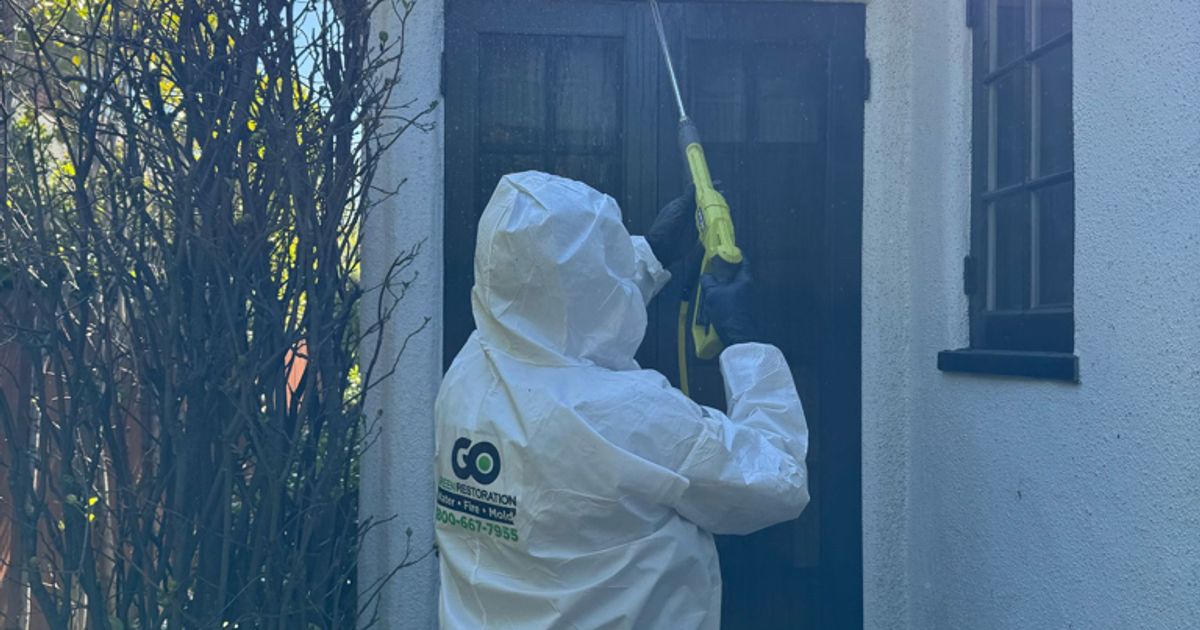
Learn why sewage backups occur in Citrus, CA homes and how to prevent them. Expert tips for San Gabriel Valley homeowners dealing with aging infrastructure.
Citrus homeowners in the 91722 area face unique challenges when it comes to sewage backups, largely due to the community's aging infrastructure and San Gabriel Valley location. Many homes in the Citrus Community were built during the 1960s and 1970s housing boom, meaning their plumbing systems are now reaching the end of their expected lifespan. Understanding why these backups occur can help you take preventive measures and know when to seek professional sewage backup & cleanup in Citrus.
The combination of older residential infrastructure and extreme heat conditions common to this part of Los Angeles County creates a perfect storm for sewer line problems. When temperatures soar during summer months, the ground around Citrus shifts and settles, putting additional stress on already vulnerable pipe systems that connect homes to the main sewer lines.
Tree Root Intrusion in Citrus Neighborhoods
The mature landscaping throughout the Citrus Community presents a significant risk factor for sewage backups. Large eucalyptus, oak, and pepper trees that provide welcome shade during scorching San Gabriel Valley summers also send extensive root systems searching for water sources. These roots naturally gravitate toward the moisture found in sewer lines, especially older clay or concrete pipes common in homes built before 1980.
Roots can infiltrate through small cracks or joints in aging pipes, gradually expanding and creating blockages. In Citrus, this problem is particularly pronounced in areas with established tree canopies near Citrus Park and along the older residential streets. Once roots establish themselves inside sewer lines, they act like nets, catching debris and creating increasingly severe blockages that eventually lead to backups into homes.
Homeowners can reduce this risk by having their sewer lines inspected every few years and avoiding planting new trees directly over sewer line paths. If you notice slow drains throughout your home or gurgling sounds from toilets, roots may already be affecting your system.
Aging Infrastructure Challenges
Citrus's housing stock presents particular vulnerabilities due to the era when most homes were constructed. The original sewer lines installed during the 1960s and 1970s development boom were typically made from materials that have now exceeded their recommended lifespan. Clay pipes, common in this period, become brittle over time and develop cracks that allow soil infiltration and root penetration.
The San Gabriel Valley's seismic activity, combined with decades of ground settling, has caused many of these original sewer lines to shift, creating bellies or low spots where waste and debris accumulate. During recent conversations with Go Green Restoration Inc, local restoration experts noted that homes in the 91722 area frequently experience backups due to these structural pipe failures rather than simple clogs.
Cast iron pipes, also common in Citrus homes from this era, corrode from the inside out, developing rough surfaces that catch debris and eventually collapse entirely. Homeowners should be aware that insurance may not cover damage from gradual deterioration, making prevention and early detection essential.
Grease and Debris Accumulation
Citrus residents often underestimate how quickly grease and food waste can accumulate in older sewer systems. The community's family-oriented demographic means many homes regularly handle large meal preparations, increasing the likelihood of fats, oils, and grease entering the sewer system. When these substances cool in the pipes, they solidify and create sticky surfaces that trap other debris.
The problem compounds in Citrus because the aging pipe infrastructure provides more surface irregularities where grease can adhere. Unlike newer, smoother pipes that allow waste to flow more freely, the rough interiors of deteriorating clay and cast iron pipes grab onto grease deposits, building up layers over time.
Prevention involves never pouring cooking oils down drains, scraping plates thoroughly before washing, and using sink strainers to catch food particles. Consider that even small amounts of grease, when multiplied across the entire Citrus Community's aging sewer network, can create significant system-wide problems.
Storm Water Overwhelm Issues
While Citrus doesn't experience frequent heavy rainfall, the San Gabriel Valley's occasional intense storm events can overwhelm the community's aging sewer infrastructure. Many homes in the 91722 area have combined systems where storm water and sewage share the same pipes, a design common when the neighborhood was developed.
During rare but intense rainfall events, these combined systems can exceed capacity, causing sewage to back up into homes through floor drains, toilets, and other low-lying fixtures. The problem is exacerbated by Citrus's location in a valley where water naturally flows from surrounding higher elevations in Glendora and Azusa.
Homeowners can protect themselves by installing backwater valves and ensuring their property drainage directs water away from the foundation. Keep gutters clean and consider disconnecting downspouts from the sewer system if they're currently connected.
Local Sewer System Characteristics
Citrus operates within Los Angeles County's broader sewer network, but the community's specific characteristics create unique challenges. The relatively flat terrain means sewage must travel longer distances with less gravitational assistance compared to hillier areas in nearby Glendora or Azusa. This slower flow allows more time for debris to settle and accumulate.
The local system's age means many connections between individual homes and main lines use materials and methods that are no longer considered optimal. These connection points often become failure spots where backups originate. Additionally, the system was designed for the smaller population and different usage patterns of the 1970s, not today's water usage habits and household products.
Regular maintenance becomes even more important in this environment. Schedule annual inspections, be mindful of what goes down your drains, and address slow drainage issues promptly before they become expensive backup situations. Understanding these local factors helps Citrus homeowners make informed decisions about protecting their properties from sewage backup damage.
For more information, visit our sewage & plumbing resources.
Need Professional Help?
Go Green Restoration provides 24/7 emergency services throughout Los Angeles and Ventura Counties. Licensed (#1005708), bonded, and insured.