Why Sewage Backups Happen in Monrovia and How to Prevent Them
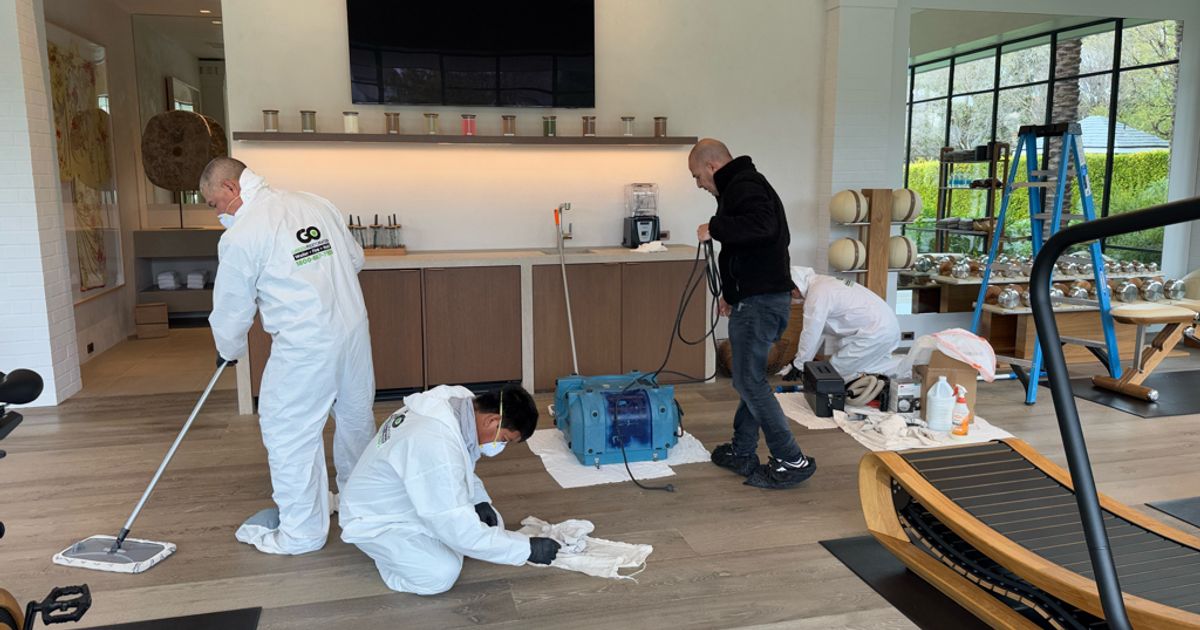
Learn about common sewage backup causes in Monrovia, CA including tree root intrusion, aging infrastructure, and mountain storm runoff prevention tips.
Monrovia homeowners face unique sewage backup challenges due to the city's position at the base of the San Gabriel Mountains and its historic infrastructure. The combination of mature trees throughout neighborhoods like Old Town Monrovia and Hillcrest, aging sewer systems, and intense storm runoff from the mountains creates perfect conditions for sewage emergencies that require immediate sewage backup & cleanup in Monrovia.
Understanding why these backups occur in your specific area helps you take proactive steps to protect your property. From Canyon Park's hillside homes to the historic structures near Old Town Monrovia, each neighborhood presents distinct risks that homeowners should recognize and address before problems escalate.
Tree Root Intrusion: Monrovia's Mature Canopy Creates Underground Problems
Monrovia's beautiful mature tree canopy, particularly evident along streets like Myrtle Avenue and throughout the Hillcrest neighborhood, poses significant threats to underground sewer lines. The city's established oak, pepper, and eucalyptus trees send aggressive root systems searching for water sources, often finding small cracks or joints in aging clay and cast iron sewer pipes.
Properties in the 91016 zip code, especially those built before 1960, typically have older sewer lines that are more susceptible to root penetration. These roots don't just find existing openings—they create them by exerting tremendous pressure on pipe joints and small cracks. Once inside, roots form dense mats that trap debris and eventually cause complete blockages.
Homeowners near Monrovia Canyon Park should be particularly vigilant, as the area's large trees and natural water flow patterns make root intrusion almost inevitable. Regular professional inspections using camera technology can identify root problems before they cause sewage backups into your home.
Aging Infrastructure Challenges in Historic Monrovia
Many homes in Old Town Monrovia and surrounding historic areas were built between the 1920s and 1950s, when sewer systems used materials and installation methods that don't meet today's standards. Clay pipes, common in older Monrovia neighborhoods, become brittle over time and develop cracks that allow both root intrusion and groundwater infiltration.
The transition zones where private sewer laterals connect to the city's main lines often present weak points, especially in areas like the residential streets between Huntington Drive and Foothill Boulevard. These connections, installed decades ago, may have settled unevenly or deteriorated, creating perfect conditions for blockages and backups.
Properties in the 91017 zip code, particularly those in the foothills near Canyon Park, face additional challenges from ground movement and settling that can misalign or crack sewer pipes. This geological instability, combined with aging infrastructure, makes regular sewer line maintenance essential for preventing costly backups.
Grease and Debris Buildup in Monrovia Sewer Systems
Monrovia's residential areas generate significant amounts of grease and food waste that accumulate in sewer lines over time. The city's older pipe systems, with their smaller diameters and numerous joints, are particularly prone to grease buildup that hardens and restricts flow.
Restaurants and food establishments along Myrtle Avenue and in Old Town Monrovia contribute to the overall grease load in the municipal system, but residential properties create their own localized problems. Kitchen drains in homes throughout Hillcrest and Canyon Park neighborhoods often receive cooking oils, food scraps, and other debris that shouldn't enter the sewer system.
The problem intensifies during cooler months when grease solidifies more readily in pipes. Monrovia's foothill location means temperatures can drop significantly at night, causing grease to congeal and combine with other debris to form stubborn blockages that eventually lead to sewage backups.
Storm Overwhelm from Mountain Runoff
Monrovia's location at the base of the San Gabriel Mountains creates unique challenges during storm events. Heavy rainfall in the mountains generates massive amounts of runoff that flows directly through the city's drainage systems, often overwhelming older combined sewer and stormwater infrastructure.
Neighborhoods in Canyon Park and the upper reaches of the 91016 zip code experience the most severe impacts from storm-related sewage backups. During intense rainfall events, the volume of water entering the system can exceed the capacity of aging pipes, causing sewage to back up into homes through floor drains and lower-level fixtures.
The city's historic downtown area, with its older infrastructure and lower elevation relative to the foothills, becomes a collection point for excess water during major storms. Properties near the intersection of Huntington Drive and Myrtle Avenue have experienced repeated issues when the system becomes overwhelmed by mountain runoff.
Local Sewer System Characteristics and Maintenance
Monrovia's sewer system reflects the city's development history, with newer sections serving recent developments and older portions dating back decades. The system's design must handle not only regular residential waste but also the unique challenges posed by the city's topography and mature landscaping.
The transition from older clay and cast iron pipes to modern PVC and HDPE materials creates connection points that require careful monitoring. Areas where new developments in the foothills connect to older infrastructure downtown often experience problems at these transition zones.
Regular maintenance becomes even more important given Monrovia's specific conditions. Go Green Restoration Inc works with local homeowners to address sewage backup issues while understanding the unique environmental factors that affect properties throughout Los Angeles County's foothill communities.
Prevention Strategies for Monrovia Homeowners
Preventing sewage backups in Monrovia requires understanding your property's specific risk factors and taking targeted action. Homes near large trees should schedule annual sewer line inspections to catch root problems early, while properties in older neighborhoods need regular pipe assessments to identify deterioration before failures occur.
Installing backwater valves provides protection against storm-related backups, particularly important for homes in lower-lying areas of Old Town Monrovia and properties that have experienced previous flooding. These devices prevent sewage from flowing back into your home when the main system becomes overwhelmed.
Proper disposal practices make a significant difference in preventing blockages. Avoid putting grease, food scraps, and non-biodegradable items down drains, and consider the impact of your landscaping choices on underground infrastructure. Working with qualified professionals for both prevention and emergency response ensures your Monrovia home stays protected from sewage backup disasters.
For more information, visit our sewage & plumbing resources.
Need Professional Help?
Go Green Restoration provides 24/7 emergency services throughout Los Angeles and Ventura Counties. Licensed (#1005708), bonded, and insured.