Why Sewage Backups Happen in Walnut and How to Prevent Them
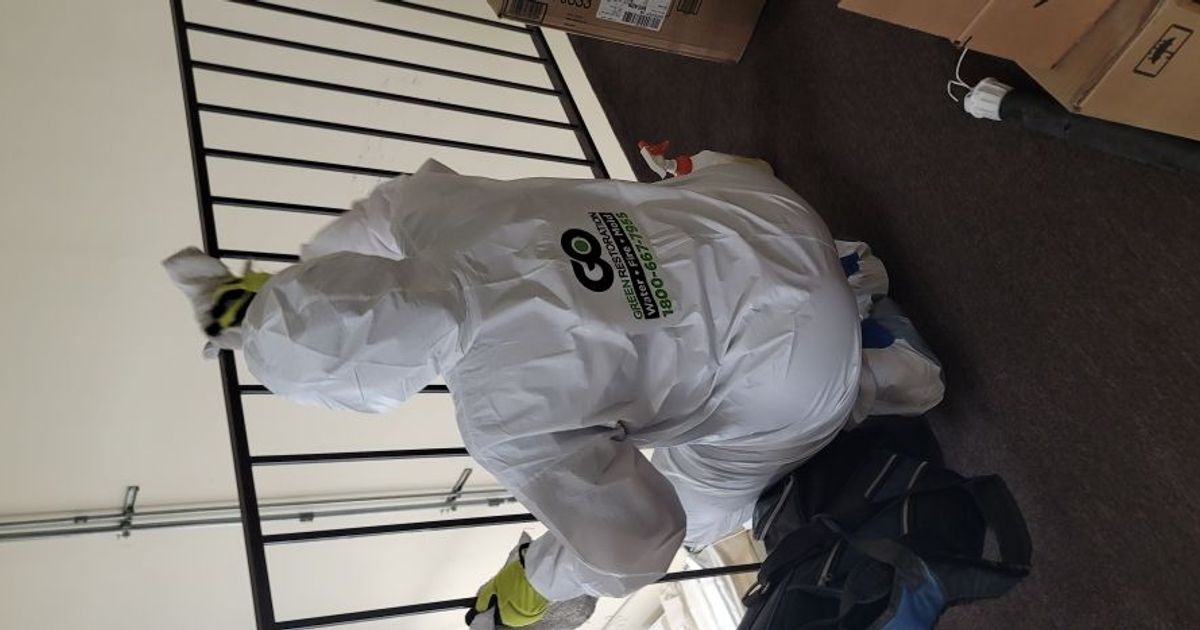
Discover why Walnut, CA homes face sewage backups from hillside terrain, aging infrastructure, and tree roots. Learn prevention tips for your property.
Walnut's unique hillside terrain and aging residential infrastructure create specific conditions that make sewage backups more likely than in flatter areas of Los Angeles County. The city's elevation changes between Walnut Valley and the South Hills Country Club area mean that gravity-fed sewer systems face additional pressure during heavy rains, while homes built during the 1970s and 1980s construction boom are now dealing with deteriorating underground pipes.
Homeowners in the 91788 and 91789 zip codes experience sewage backup issues that stem from both natural geography and decades-old municipal systems. Properties near Mt. San Antonio College and along the hillside neighborhoods face particular challenges when storm water overwhelms aging sewer lines. For residents dealing with these messy emergencies, professional sewage backup & cleanup in Walnut becomes essential to protect both property and health.
Tree Root Intrusion in Walnut's Established Neighborhoods
Walnut's mature tree canopy, particularly in areas around Suzanne Park and the established South Hills Country Club neighborhood, creates beautiful shade but also presents serious sewer line challenges. The city's numerous oak trees and other deep-rooted species naturally seek water sources, making underground sewer pipes attractive targets. Clay pipes installed in homes built during Walnut's major development period from the 1970s through 1980s are especially vulnerable to root penetration.
Root intrusion typically begins as hair-thin infiltrations through pipe joints, but Walnut's warm inland climate allows these roots to grow rapidly and extensively. Properties in Walnut Valley often experience seasonal backup patterns that correspond with tree growth cycles, with spring and early summer presenting the highest risk periods. Homeowners near the hillside areas should pay particular attention to slow drains and gurgling sounds, as these mature neighborhoods have both older infrastructure and established root systems that create perfect conditions for sewer line damage.
Aging Infrastructure Challenges Across Walnut
Many of Walnut's residential areas were developed during the suburban expansion of the late 20th century, meaning that sewer systems installed 40-50 years ago are now reaching the end of their expected lifespan. The original clay and cast iron pipes used in developments near Mt. San Antonio College and throughout the South Hills area are particularly susceptible to cracks, joint separation, and complete pipe collapse.
Walnut's position in the San Gabriel Valley means that ground shifting from seismic activity compounds normal aging processes, creating additional stress on underground utilities. Properties built on the hillside terrain face even greater challenges, as soil movement during wet seasons can shift pipe alignments and create low spots where waste accumulates. The city's elevation changes also mean that some areas rely on pump stations that can fail during power outages, leaving entire neighborhoods vulnerable to backup situations.
Grease and Debris Buildup in Walnut Homes
Walnut's suburban lifestyle, with many families cooking at home regularly, contributes to significant grease accumulation in residential sewer lines. The city's hot inland summers, which regularly reach temperatures above 90 degrees, can actually worsen grease problems by initially liquefying fats that then solidify in cooler underground pipes. This creates stubborn blockages that combine with other debris to form major obstructions.
Homes in both the 91788 and 91789 areas often experience backup issues following holiday cooking periods or summer barbecue seasons when grease disposal increases. The combination of cooking oils, food scraps, and items like wet wipes creates particularly stubborn clogs in Walnut's aging pipe systems. Properties with garbage disposals face additional risks, as ground food particles mix with grease to form concrete-like masses that can completely block older clay pipes common throughout the city's established neighborhoods.
Storm Water Overwhelm During Rainy Seasons
Walnut's hillside geography creates unique drainage challenges that can overwhelm the municipal sewer system during heavy rainfall periods. Properties on slopes throughout the South Hills area and near Suzanne Park face particular risks when storm water infiltrates aging sewer lines through cracks and joint failures. The city's position inland from the coast means that when storms do arrive, they often bring intense rainfall that quickly saturates the hilly terrain.
Combined sewer systems in older parts of Walnut handle both sewage and storm water, creating backup risks when capacity is exceeded. Homes located downhill from major drainage areas may experience sewage backups even when their own plumbing systems are functioning properly, as overwhelmed municipal lines force waste back into residential connections. The terrain around Mt. San Antonio College and throughout Walnut Valley channels storm water rapidly, creating sudden surges that can overwhelm infrastructure designed for more gradual water flow patterns.
Prevention Strategies for Walnut Homeowners
Protecting your Walnut home from sewage backups requires understanding both your property's specific risks and the city's unique challenges. Regular professional inspections become especially important for homes built during the 1970s and 1980s, particularly those in hillside locations where root intrusion and ground movement create additional vulnerabilities. Installing backflow prevention devices provides essential protection for properties in low-lying areas or those connected to older municipal systems.
Maintaining your home's lateral sewer line through periodic cleaning helps prevent the buildup issues common in Walnut's aging infrastructure. Go Green Restoration Inc works with many local homeowners to address both emergency cleanup situations and preventive maintenance needs throughout Los Angeles County. For properties near established trees, especially in the mature neighborhoods around South Hills Country Club, annual root treatment and pipe inspection can identify problems before they cause expensive backup damage. Proper grease disposal, avoiding flushing inappropriate items, and installing drain screens help minimize the debris accumulation that combines with other factors to create backup situations in Walnut's challenging terrain.
For more information, visit our sewage & plumbing resources.
Need Professional Help?
Go Green Restoration provides 24/7 emergency services throughout Los Angeles and Ventura Counties. Licensed (#1005708), bonded, and insured.