Common Causes of Water Damage in Alhambra Homes
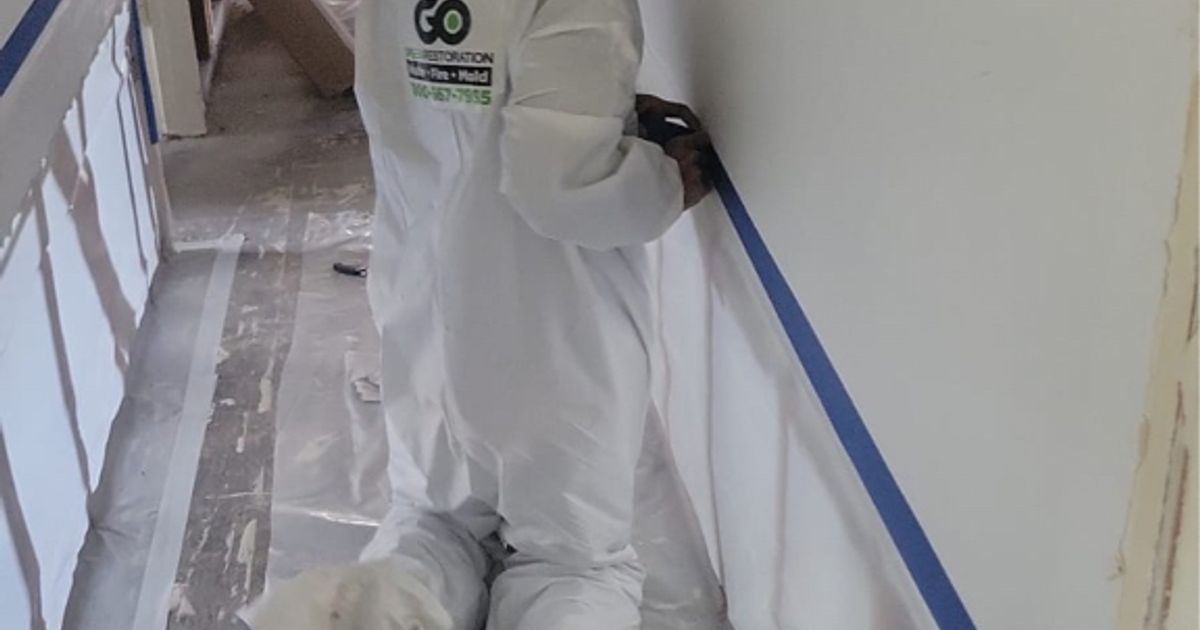
Discover the top causes of water damage in Alhambra homes, from aging pipes in pre-1960s properties to storm drainage issues in dense neighborhoods.
Alhambra homeowners face unique water damage challenges that stem directly from the city's distinctive housing characteristics and local infrastructure. With much of the housing stock built before 1960, properties throughout neighborhoods like Emery Park and Midwick Tract contain aging systems that weren't designed for modern water demands or California's increasingly unpredictable weather patterns.
The combination of older construction methods, dense residential development, and Southern California's clay-heavy soil conditions creates a perfect storm for water damage incidents. Understanding these specific risks can help Alhambra residents protect their properties and know when to seek professional water damage restoration in Alhambra services.
Aging Galvanized Pipes in Pre-1960s Construction
The majority of Alhambra's residential properties were constructed during the city's major development boom between the 1920s and 1950s. These homes, particularly concentrated in the Granada Park and Ramona neighborhoods, typically feature original galvanized steel plumbing that has now exceeded its 40-50 year lifespan by decades.
Galvanized pipes in these older Alhambra homes develop internal corrosion over time, leading to reduced water pressure, discolored water, and eventual pipe failure. The problem becomes particularly acute in areas near Almansor Park, where some of the city's oldest residential streets contain homes with plumbing systems that haven't been updated since their original construction. When these pipes finally fail, they often burst inside walls or under concrete slabs, causing extensive hidden damage before homeowners even realize there's a problem.
The dense lot sizes throughout Alhambra's 91801, 91802, and 91803 ZIP codes mean that a major pipe failure can affect multiple properties, especially in the numerous duplexes and small apartment buildings scattered throughout the city's residential areas.
Appliance Failures in Compact Living Spaces
Alhambra's urban density and smaller lot sizes mean that water-using appliances are often installed in tight spaces with limited access for maintenance and inspection. Many homes in the Midwick Tract area feature original laundry rooms and kitchen configurations that make it difficult to spot early signs of appliance problems.
Washing machines in Alhambra homes frequently fail due to the region's hard water conditions, which cause mineral buildup in hoses and connections. The city's older homes often lack proper drainage pans under water heaters, meaning that when these units fail, water spreads quickly across hardwood floors or seeps into adjacent rooms.
Refrigerator ice makers and dishwashers present particular challenges in Alhambra's older kitchens, where original cabinetry may not provide adequate clearance for modern appliance connections. Water supply lines that work loose in these cramped spaces can go unnoticed for days, causing significant damage to custom cabinetry and flooring that's expensive to replace in the city's competitive housing market.
Storm Drainage Overwhelm During Heavy Rains
Southern California's sporadic but intense rainfall patterns create serious challenges for Alhambra's aging storm drainage infrastructure. The city's older residential areas, particularly those near Alhambra Place, were designed with drainage systems that can't handle the volume of water that arrives during modern storm events.
When heavy rains hit the area, the combination of concrete surfaces throughout the city's dense neighborhoods and inadequate storm drains causes water to back up into streets and, eventually, into homes. Properties in lower-lying areas of the Granada Park neighborhood are especially vulnerable during these events, as water flows downhill from surrounding residential areas.
The problem becomes worse when debris from the many mature trees throughout Alhambra clogs storm drains and gutters. Leaves from the city's numerous jacaranda and oak trees can quickly block drainage systems, causing water to pool around foundations and seep into basements and crawl spaces.
Foundation Problems from Clay Soil Movement
Alhambra sits on clay-heavy soil that expands when wet and contracts during dry periods, creating ongoing stress on home foundations throughout the city. This soil movement is particularly problematic for the numerous homes built on hillsides in areas near the San Gabriel Mountains' foothills.
During wet seasons, clay soil expansion can cause foundation walls to crack, allowing water to seep into basements and crawl spaces. Conversely, during dry periods, soil contraction can create gaps around foundation walls that channel water directly toward the home's structure during the next rainfall.
Properties in the Emery Park area, where many homes were built on sloped lots to take advantage of mountain views, face additional challenges from surface water runoff that concentrates against foundation walls. The combination of clay soil movement and surface water flow creates ongoing moisture problems that can lead to mold growth and structural damage if not properly addressed.
Go Green Restoration has observed that many Alhambra homeowners don't realize their foundation drainage systems need regular maintenance to handle the unique challenges posed by local soil conditions and the city's mature landscaping.
## Related Articles
Learn more about restoration services in Alhambra:
- How Alhambra's Urban Environment Affects Water Damage Risk
- Water Damage Emergency Guide for Alhambra Residents: Immediate Response Steps
Preventing water damage in Alhambra requires understanding these local risk factors and taking proactive steps to address them. Regular inspection of aging plumbing systems, proper maintenance of appliances in tight spaces, and attention to drainage around your property can help prevent many common water damage scenarios.
Homeowners should pay particular attention to signs of pipe corrosion, appliance wear, and foundation settling that are common in the city's older housing stock. Installing water detection devices near appliances and maintaining clear drainage around your property can provide early warning of potential problems before they become major restoration projects.
Need Professional Help?
Go Green Restoration provides 24/7 emergency services throughout Los Angeles and Ventura Counties. Licensed (#1005708), bonded, and insured.