Common Causes of Water Damage in Azusa Homes
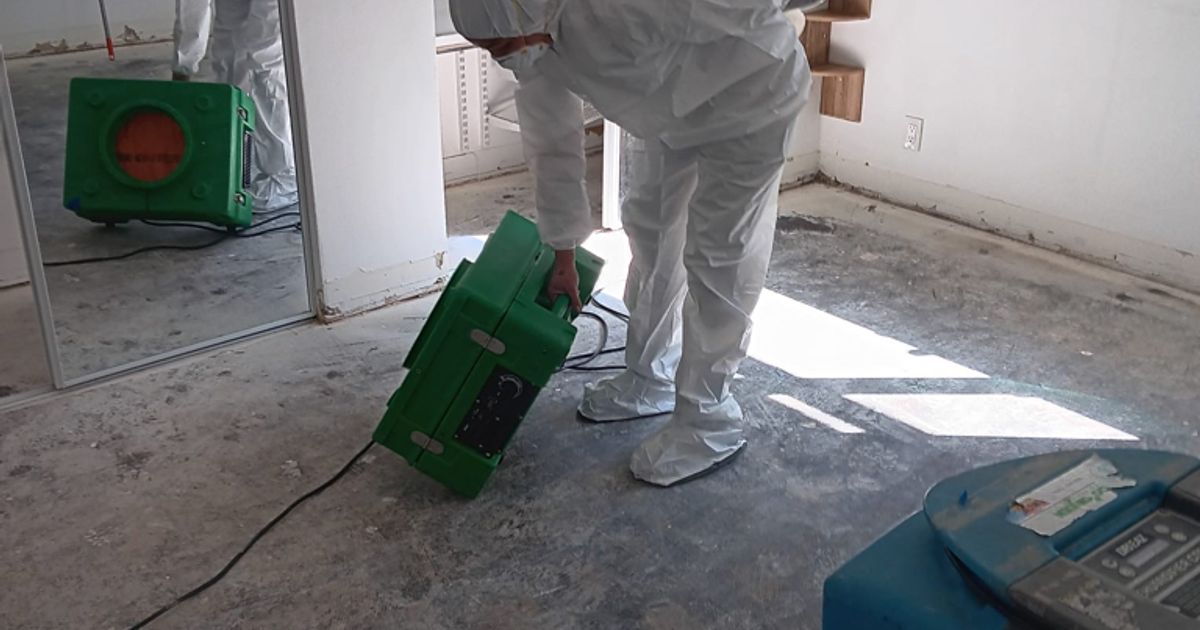
Discover the top causes of water damage in Azusa homes, from aging pipes to foothill flooding. Learn prevention tips for this San Gabriel Canyon city.
Azusa homeowners face unique water damage challenges due to the city's position at the mouth of San Gabriel Canyon and its mix of older downtown properties and newer foothill developments. The combination of aging infrastructure, seasonal weather patterns, and the area's proximity to the Angeles National Forest creates specific vulnerabilities that residents should understand and prepare for.
Properties throughout the 91702 zip code experience different risk factors depending on their location and age. Downtown Azusa homes, many built in the mid-20th century, deal primarily with aging plumbing systems, while newer developments in Mountain Cove and areas near Azusa Pacific University face challenges related to soil conditions and seasonal runoff. Professional water damage restoration in Azusa becomes necessary when these local factors converge during heavy rains or infrastructure failures.
Aging Plumbing Systems in Older Azusa Neighborhoods
Many homes in central Azusa and the Rosedale neighborhood were constructed between the 1940s and 1970s, when galvanized steel and early copper plumbing were standard. These systems are now reaching the end of their useful life, with galvanized pipes particularly prone to corrosion and blockages. The mineral-rich groundwater in the San Gabriel Valley accelerates this deterioration, causing pipes to develop pinhole leaks and sudden bursts.
Homeowners near downtown Azusa frequently discover water damage behind walls or under floors when these older pipes fail without warning. The problem becomes more severe during winter months when temperature fluctuations cause metal pipes to expand and contract, weakening already compromised joints. Properties along Azusa Avenue and the surrounding grid streets show the highest incidence of plumbing-related water damage due to their age and original construction methods.
Appliance Failures and Indoor Water Sources
Water heaters in Azusa homes work harder than in many other areas due to the mineral content in local water supplies and seasonal temperature variations. The hard water common throughout Los Angeles County's foothill communities causes sediment buildup in tank-style water heaters, leading to premature failure and potential flooding. Homes in Mountain Cove, with their larger floor plans and multiple bathrooms, often sustain extensive damage when water heaters fail in utility rooms or garages.
Washing machines present another significant risk, particularly in older Azusa homes where laundry rooms weren't part of the original design. Many residents have added washers in garages or converted spaces without proper drainage, creating conditions where a simple hose failure can flood living areas. The city's proximity to Glendora and Duarte means many residents commute for work, leaving appliances unattended for long periods when failures occur.
Storm Drainage and Seasonal Flooding Challenges
Azusa's location at the base of San Gabriel Canyon makes it particularly vulnerable to seasonal flooding and drainage issues. The city's storm drainage system, designed decades ago, struggles to handle the intense runoff that occurs during atmospheric river events and post-wildfire debris flows. Properties in the northern areas near the Angeles National Forest face the greatest risk, as burned hillsides above the city create conditions for rapid water flow and debris accumulation.
The concrete-lined San Gabriel River channel helps protect much of Azusa, but neighborhoods east of the river and near Irwindale experience backup issues when storm drains become overwhelmed. Recent wildfire activity in the surrounding mountains has increased the risk of debris flows reaching residential areas, particularly affecting homes along the foothills. These events can cause water to enter homes through foundations, doors, and windows, creating extensive damage that requires immediate professional attention.
Foundation and Structural Water Intrusion
The expansive clay soils common throughout Azusa create ongoing challenges for home foundations. These soils shrink during dry periods and swell dramatically when saturated, causing foundation movement that can crack walls and create entry points for water. Homes built on the alluvial fan deposits near San Gabriel Canyon are particularly susceptible to these soil-related issues.
Foundation problems become more apparent during Azusa's rainy season, typically from December through March, when saturated soils put pressure on basement walls and foundation slabs. Properties in newer developments like those near Azusa Pacific University may have better initial waterproofing, but even these homes can develop issues as the soil settles and shifts over time. Cracks in stucco exterior walls, common in the city's Mediterranean and ranch-style homes, provide additional pathways for water intrusion during storms.
Prevention and Early Detection Strategies
Azusa homeowners can take specific steps to reduce their water damage risk by understanding these local conditions. Regular plumbing inspections become more important in homes over 30 years old, particularly those in the downtown area and Rosedale neighborhood. Installing water leak detection systems provides early warning for appliance failures, which is especially valuable for residents who commute to nearby cities like Covina or La Verne.
Maintaining proper drainage around foundations helps prevent soil saturation issues common in the area's clay soils. This includes ensuring gutters direct water away from the house and that landscaping slopes away from the foundation. Given the wildfire risk in the surrounding mountains, homeowners should also consider how post-fire conditions might affect their property's drainage patterns and take preventive measures accordingly.
Go Green Restoration Inc has extensive experience addressing the specific water damage challenges faced by Azusa residents, from aging infrastructure failures to storm-related flooding. Understanding these local risk factors helps homeowners take proactive steps to protect their properties and respond quickly when water damage occurs.
For more information, visit our water damage resources.
Need Professional Help?
Go Green Restoration provides 24/7 emergency services throughout Los Angeles and Ventura Counties. Licensed (#1005708), bonded, and insured.