DIY vs Professional Water Damage Cleanup: A Long Beach Homeowner's Guide
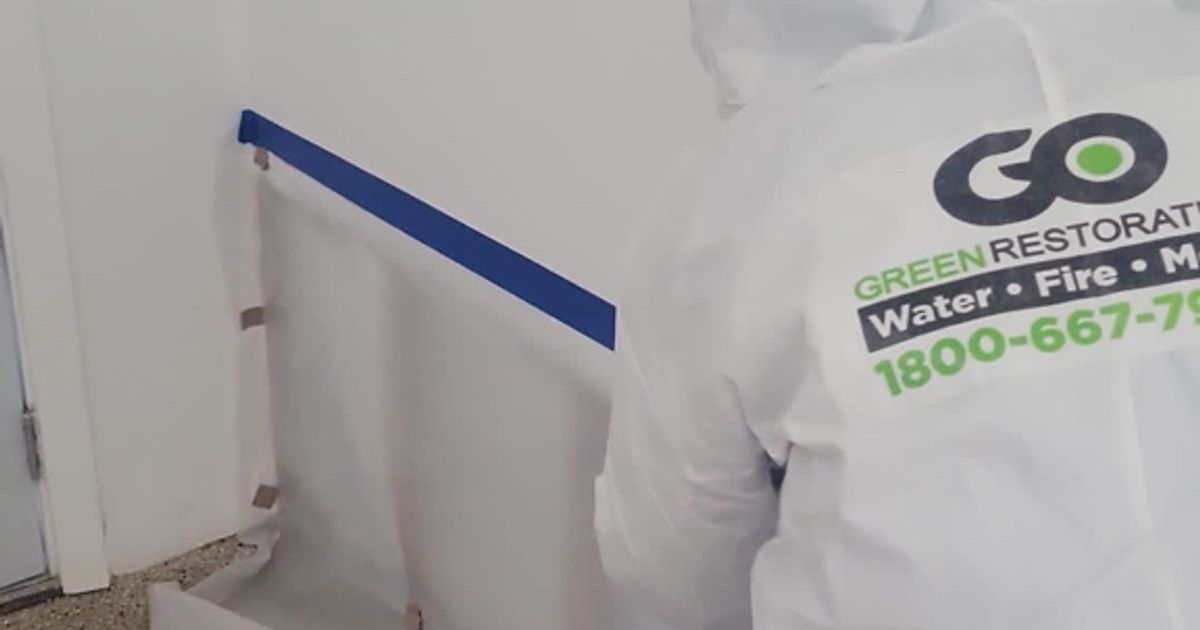
Long Beach homeowners guide to DIY vs professional water damage cleanup. Learn when to call experts for coastal flooding, pipe bursts, and storm damage.
Long Beach homeowners face unique water damage challenges that range from coastal flooding in Belmont Shore to aging pipe failures in North Long Beach's older craftsman homes. The city's proximity to the Pacific Ocean, combined with its diverse housing stock spanning from pre-war bungalows to modern high-rises near Downtown Long Beach, creates complex restoration scenarios that don't always have simple DIY solutions.
Understanding when you can tackle water damage yourself versus when to call professionals can save both money and prevent costly mistakes. The decision often depends on factors specific to Long Beach's geography, from salt air exposure in Naples waterfront properties to the industrial contamination risks near the Port of Long Beach area. Professional water damage restoration in Long Beach becomes essential when dealing with severe flooding, contaminated water, or structural damage that exceeds basic cleanup capabilities.
Assessing Water Damage Severity in Long Beach Properties
Long Beach's varied neighborhoods require different approaches to damage assessment. In Belmont Shore and Naples, where properties face regular salt air exposure and occasional storm surge, even minor water intrusion can accelerate corrosion and create hidden damage behind walls. Homes in these coastal areas often have unique construction features like elevated foundations or specialized moisture barriers that require professional evaluation.
Properties in Cal Heights and Bixby Knolls, with their mix of older and newer construction, present different challenges. A burst pipe in a 1920s craftsman home may seem manageable until you discover it has compromised original hardwood floors or soaked into horsehair plaster walls. Meanwhile, newer construction in areas like Signal Hill may have modern materials that respond differently to water exposure.
The "clean water" rule applies citywide: if the water comes from a broken supply line, leaking faucet, or rainwater that hasn't contacted contaminated surfaces, DIY cleanup may be possible for small areas under 10 square feet. However, Long Beach's aging infrastructure in neighborhoods like Wrigley means that even "clean" water can pick up contaminants from old pipes, making professional assessment valuable.
Equipment Requirements for Long Beach's Climate Conditions
Long Beach's coastal humidity creates unique drying challenges that standard household fans and dehumidifiers can't always handle effectively. The marine layer that frequently blankets areas from Downtown Long Beach to the waterfront can slow natural drying processes, making professional-grade equipment necessary for thorough moisture removal.
DIY water cleanup works best with minimal water exposure and proper equipment access. You'll need industrial fans, dehumidifiers, and moisture meters – equipment that costs hundreds to rent but may not be sufficient for Long Beach's humid conditions. Professional restoration companies use truck-mounted extraction units and commercial dehumidifiers designed to work efficiently in coastal climates.
In neighborhoods like North Long Beach, where older homes may lack modern ventilation systems, proper air circulation becomes even more critical. Professional equipment can create controlled drying environments that prevent secondary damage like mold growth, which thrives in Long Beach's moderate temperatures and occasional high humidity.
Health Risks Specific to Long Beach Water Damage
Long Beach's industrial history and port activities create unique contamination risks that homeowners should understand. Properties near the Port of Long Beach or in industrial areas may face groundwater contamination that makes any flooding a health hazard requiring professional remediation. Even residential areas can have contaminated water sources during major storm events when the city's drainage systems become overwhelmed.
Salt air corrosion throughout Long Beach means that water damage often involves more than just drying. Metal components, electrical systems, and HVAC equipment in homes from Belmont Shore to Signal Hill can suffer accelerated deterioration when exposed to water, creating safety hazards that require professional assessment.
Mold growth happens quickly in Long Beach's climate, often within 24-48 hours of water exposure. DIY cleanup may miss moisture in wall cavities or under flooring, leading to hidden mold problems that are common in the city's older housing stock. Professional restoration includes moisture detection technology that identifies problem areas invisible to homeowners.
Insurance Considerations for Long Beach Homeowners
Insurance companies serving Long Beach properties often have specific requirements for water damage claims, particularly for coastal properties that face higher risk exposure. Many policies require professional documentation of damage extent and restoration procedures, making DIY cleanup potentially costly if it doesn't meet insurance standards.
Flood insurance, separate from standard homeowners policies, is common in Long Beach due to coastal flood risks and proximity to the Los Angeles River. These policies typically require professional restoration documentation, and DIY cleanup might void coverage or reduce claim payments. Properties in FEMA flood zones, which include parts of Downtown Long Beach and areas near the port, have particularly strict requirements.
Long Beach homeowners should document everything before beginning any cleanup, whether DIY or professional. Insurance adjusters familiar with local conditions understand the unique challenges of coastal properties and may recommend professional restoration even for seemingly minor damage, knowing that Long Beach's environment can accelerate deterioration.
Cost Analysis: DIY vs Professional Services in Long Beach
DIY water cleanup costs in Long Beach typically include equipment rental ($100-300 per day), materials ($200-500), and significant time investment. However, the city's coastal conditions often require multiple drying cycles, extending rental periods and increasing costs. Factor in potential mistakes that require professional correction, and DIY savings diminish quickly.
Professional water damage restoration in Long Beach ranges from $1,200-4,000 for typical residential jobs, depending on affected area size and damage severity. This includes proper equipment, expertise in local building materials, and insurance-compliant documentation. Go Green Restoration Inc, serving Long Beach and surrounding areas, provides detailed estimates that help homeowners understand the true cost comparison.
Consider the hidden costs of DIY cleanup: missed moisture leading to mold growth, improper drying causing structural damage, or insurance claim complications. Long Beach's housing market values mean that restoration mistakes can significantly impact property value, making professional service a worthwhile investment for anything beyond minor water exposure.
The decision between DIY and professional water damage cleanup in Long Beach ultimately depends on damage extent, contamination level, and your comfort with the city's unique restoration challenges. When in doubt, professional assessment costs far less than fixing DIY mistakes in Long Beach's demanding coastal environment.
For more information, visit our water damage resources.
Need Professional Help?
Go Green Restoration provides 24/7 emergency services throughout Los Angeles and Ventura Counties. Licensed (#1005708), bonded, and insured.