Hidden Water Damage in Baldwin Park: What Lurks Behind Your Walls
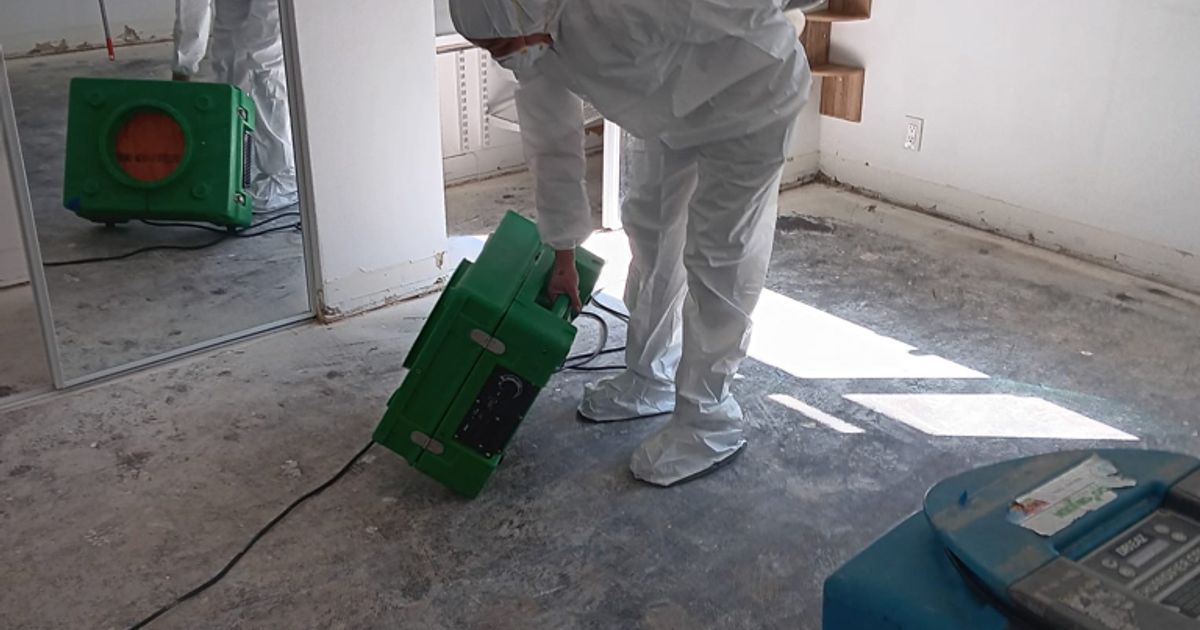
Baldwin Park homeowners: Learn to spot hidden water damage signs in older homes. Expert tips on wall discoloration, odors, and moisture issues.
Baldwin Park homeowners living in the city's established neighborhoods often face a silent threat lurking behind their walls. The abundance of homes built during the 1950s and 1960s boom, particularly in areas like Vineland and Big Dalton, creates unique challenges when it comes to detecting water damage before it becomes a costly disaster.
Many of these mid-century homes still rely on their original plumbing systems, which are now approaching or exceeding their expected lifespan. Combined with Baldwin Park's location in the San Gabriel Valley, where summer temperatures regularly soar above 90 degrees and strain aging HVAC systems, moisture problems can develop gradually and remain hidden for months or even years. Professional water damage restoration in Baldwin Park becomes necessary when these issues finally surface, but catching them early can save thousands in repair costs.
Recognizing Wall Discoloration Patterns in Baldwin Park Homes
The stucco exteriors and drywall interiors common in Baldwin Park's residential areas show water damage in distinct ways. Look for yellowish-brown stains that appear along the bottom edges of walls, particularly in homes near Morgan Park where the water table sits higher than in surrounding areas. These stains often start small and expand outward in irregular patterns.
In Baldwin Park's older homes, pay special attention to walls that share plumbing lines with bathrooms or kitchens. The original galvanized pipes installed in many 1950s-era homes develop pinhole leaks that create water damage behind walls long before visible signs appear on the surface. Discoloration may first appear as subtle color variations in paint or wallpaper, gradually darkening as moisture accumulates.
Walls near the Baldwin Park Transit Center area, where homes sit closer to busy streets, may also show water damage from compromised foundations caused by ground vibration over decades. This creates hairline cracks that allow moisture infiltration during Baldwin Park's occasional heavy winter rains.
Understanding Musty Odors in San Gabriel Valley Climate
Baldwin Park's hot, dry summers followed by mild, wet winters create perfect conditions for musty odors to develop when hidden moisture is present. The smell often becomes most noticeable when you return home after being away, as your nose readjusts to the indoor environment.
In homes throughout the 91706 zip code area, musty odors frequently originate from crawl spaces and wall cavities where poor ventilation traps moisture. The adobe clay soil common throughout Baldwin Park retains water longer than sandy soils, creating humidity that seeps into lower levels of homes. This is particularly problematic in the Vineland neighborhood, where many homes were built with minimal vapor barriers.
Pay attention to odors that seem stronger near exterior walls, especially those facing west where afternoon sun creates thermal cycling that can worsen existing moisture problems. The smell may be subtle at first but typically intensifies during Baldwin Park's humid periods in late fall and early spring.
Identifying Warped Materials in Mid-Century Construction
The building materials popular when most of Baldwin Park was developed react predictably to hidden moisture. Hardwood floors, common in many homes near Morgan Park, will cup or crown when moisture accumulates in subfloors. Baseboards may pull away from walls, and door frames can become misaligned.
In Baldwin Park's ranch-style homes, look for warping in kitchen and bathroom cabinets, particularly those installed against exterior walls. The original plywood and particleboard used in 1960s construction absorbs moisture readily, causing visible swelling and delamination. Window sills throughout the Big Dalton area often show early signs of water damage through subtle warping before more obvious staining appears.
Flooring transitions between rooms may become uneven as subflooring materials expand and contract with moisture changes. This is especially common in Baldwin Park homes where original heating systems create uneven temperature zones that contribute to condensation problems.
Detecting Mold Behind Surfaces
Baldwin Park's warm climate means mold can grow year-round when moisture is present, even in hidden areas. The most common hiding spots in local homes include wall cavities behind bathroom tiles, under kitchen sinks where original plumbing connections may have developed slow leaks, and in closets built against exterior walls.
Homes in the established neighborhoods around Baldwin Park often have additions or modifications that created new opportunities for moisture intrusion. Look for mold growth patterns around electrical outlets, light switches, and cable entry points where wall integrity may have been compromised during renovations.
The stucco common on Baldwin Park homes can hide significant mold growth behind exterior walls. Small cracks in stucco allow moisture penetration, and the insulation materials used in older homes provide organic material for mold to feed on. Professional inspection may be necessary to assess the full extent of hidden mold growth.
## Related Articles
Learn more about restoration services in Baldwin Park:
Baldwin Park's development during the post-war housing boom means most homes share similar construction vulnerabilities. The concrete slab foundations popular in the area can develop cracks over time, particularly as the region's older sewer lines experience root intrusion and create ground instability.
Many homes feature original single-pane windows that create condensation problems during temperature swings common in the San Gabriel Valley. The aluminum window frames installed in 1960s homes conduct temperature efficiently, creating cold spots where moisture condenses and eventually penetrates surrounding wall materials.
Go Green Restoration has observed that Baldwin Park homes with original HVAC systems often develop hidden water damage around ductwork, particularly in attic spaces where aging insulation fails to prevent condensation. The combination of hot summers and inadequate ventilation creates moisture problems that remain hidden until significant damage occurs.
Understanding these local factors helps Baldwin Park homeowners stay vigilant for early warning signs and address hidden water damage before it compromises their home's structural integrity and indoor air quality.
Need Professional Help?
Go Green Restoration provides 24/7 emergency services throughout Los Angeles and Ventura Counties. Licensed (#1005708), bonded, and insured.