How El Monte's Urban Environment Affects Water Damage Risk
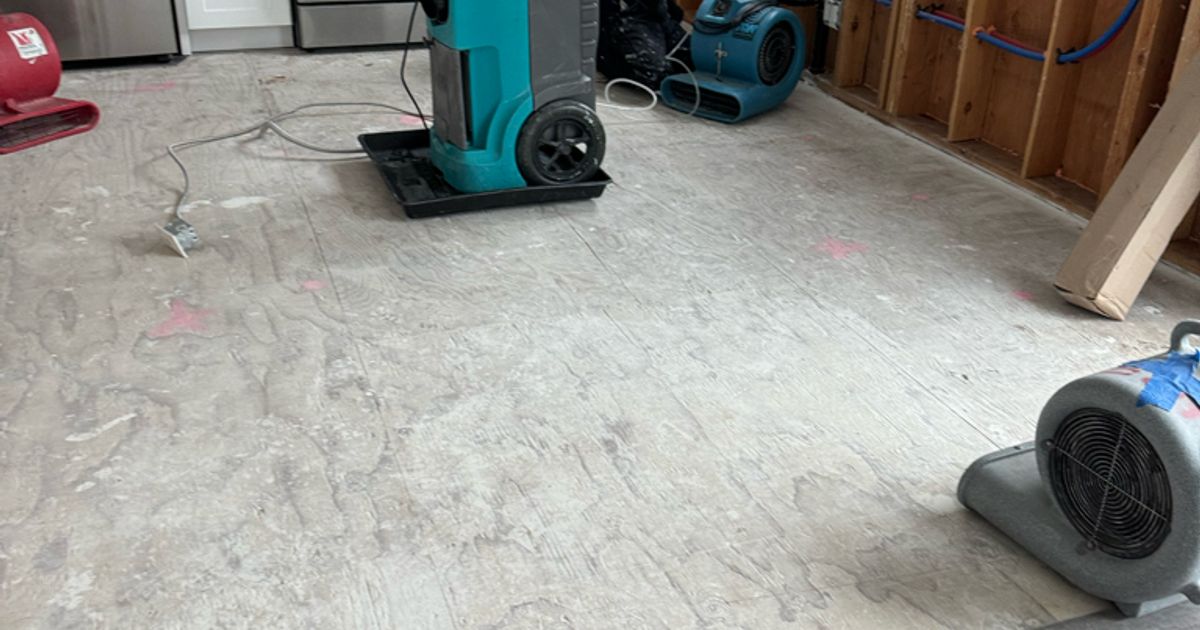
Discover how El Monte's San Gabriel Valley location, aging infrastructure, and seasonal weather patterns create unique water damage risks for homeowners.
El Monte's location in the San Gabriel Valley creates a unique combination of environmental factors that significantly increase water damage risks for the city's 115,708 residents. The valley's geography, combined with aging infrastructure and extreme seasonal weather patterns, makes properties throughout ZIP codes 91731-91735 particularly vulnerable to moisture-related problems.
Understanding these local risk factors helps homeowners in neighborhoods like South El Monte, Mountain View, and Medina prepare for potential water damage scenarios. Professional water damage restoration in El Monte becomes essential when these environmental conditions overwhelm a property's defenses against moisture intrusion.
San Gabriel Valley Geography and Drainage Challenges
El Monte's position in the San Gabriel Valley creates natural drainage challenges that affect water damage risk throughout the city. The valley's bowl-like topography means that stormwater from surrounding hills naturally flows toward lower-lying areas, including many residential neighborhoods. Properties near the San Gabriel River corridor face particular challenges during heavy rainfall events, as the river's capacity can be overwhelmed during intense storms.
The Whittier Narrows Recreation Area, while providing valuable flood control benefits, also indicates the area's historical flooding patterns. Homes in South El Monte and areas closer to the river experience higher groundwater levels during wet seasons, leading to increased basement flooding and foundation moisture issues. The valley's clay-heavy soils compound these problems by preventing proper drainage around building foundations.
Neighborhoods in the northern sections near Mountain View benefit from slightly higher elevation, but still face runoff challenges when storm drains become overwhelmed. The city's urban development has replaced much of the natural landscape with impervious surfaces, reducing the ground's ability to absorb rainfall and increasing surface water flow toward residential properties.
Extreme Heat and HVAC-Related Water Damage
El Monte's San Gabriel Valley location subjects the city to extreme summer temperatures that create significant HVAC-related water damage risks. During peak summer months, temperatures regularly exceed 100°F, forcing air conditioning systems to work overtime. This intense cooling demand leads to excessive condensation within HVAC systems, particularly in older homes throughout the Mountain View and Medina neighborhoods.
Condensation problems become particularly severe in properties with inadequate insulation or aging ductwork. Many homes built before modern efficiency standards experience moisture buildup in attics and crawl spaces when cold air from AC systems meets superheated air in these spaces. This temperature differential creates perfect conditions for condensation that can damage ceiling materials, insulation, and wooden structural elements.
Properties near El Monte Airport experience additional challenges due to the heat island effect created by large expanses of concrete and asphalt. These areas see even higher ambient temperatures, increasing the workload on cooling systems and the potential for condensation-related water damage. Homeowners in these areas often discover moisture problems in wall cavities and around air handling units during the hottest months.
Aging Infrastructure and Sewer Line Vulnerabilities
El Monte's housing stock includes many properties built in the mid-20th century, creating widespread infrastructure aging issues that increase water damage risk. Homes throughout South El Monte and older sections of the city feature original sewer lines and plumbing systems that have reached or exceeded their expected lifespan. These aging systems become increasingly prone to failures that can cause significant water damage.
Root intrusion presents a particular challenge due to the city's mature tree canopy. Large trees throughout residential neighborhoods send roots toward sewer lines seeking moisture, often causing pipe damage and blockages. When these compromised lines fail, they can cause sewage backups that create extensive water damage and health hazards in basements and lower-level living spaces.
Water supply lines in older neighborhoods also show signs of age-related deterioration. Properties in ZIP codes 91731 and 91732 frequently experience pipe failures due to corrosion and shifting soil conditions. These failures often occur within walls or under concrete slabs, making detection difficult until significant damage has already occurred.
Seasonal Weather Patterns and Storm Risks
El Monte's Mediterranean climate creates distinct seasonal water damage risks that vary throughout the year. Winter months bring the majority of annual rainfall, often in intense storm events that can overwhelm the city's drainage infrastructure. The contrast between dry summers and wet winters means that building materials and drainage systems must handle dramatic moisture level changes.
Atmospheric river events pose particular risks to properties throughout the San Gabriel Valley. These weather patterns can deliver several inches of rainfall in short periods, causing flash flooding in low-lying areas and overwhelming storm drains. Neighborhoods near the Whittier Narrows area face elevated risks during these events, as runoff from surrounding communities flows through El Monte toward the Los Angeles River system.
Spring months often bring additional challenges as temperatures begin rising while occasional rain events still occur. This combination can create humidity spikes that promote mold growth in properties that experienced moisture intrusion during winter storms. Homeowners in the Mountain View area, where elevation changes create microclimates, must be particularly vigilant during these transitional seasons.
## Related Articles
Learn more about restoration services in El Monte:
The mix of housing ages throughout El Monte creates varying water damage risk profiles across different neighborhoods. Older homes in established areas like South El Monte often feature original roofing materials, windows, and exterior cladding that may have developed vulnerabilities over decades of exposure to valley weather conditions.
Foundation issues become more common in older properties due to the expansive clay soils common throughout the San Gabriel Valley. These soils expand and contract with moisture changes, creating stress on foundations and potentially opening pathways for water intrusion. Properties built before modern waterproofing standards face particular risks during wet seasons.
Newer construction in areas near Temple City and West Covina borders may incorporate modern building techniques but can still face challenges from the area's unique environmental conditions. Even recent construction must contend with the extreme temperature variations and occasional intense rainfall that characterize El Monte's climate. Go Green Restoration Inc has observed that understanding these local environmental factors helps homeowners maintain their properties more effectively and respond quickly when water damage occurs.
Regular maintenance of drainage systems, HVAC equipment, and aging plumbing becomes essential for El Monte homeowners dealing with these multiple environmental stressors. The combination of extreme heat, seasonal flooding risks, and aging infrastructure requires proactive approaches to water damage prevention throughout the city's diverse neighborhoods.
Need Professional Help?
Go Green Restoration provides 24/7 emergency services throughout Los Angeles and Ventura Counties. Licensed (#1005708), bonded, and insured.