How Glendale's Urban Environment Affects Water Damage Risk
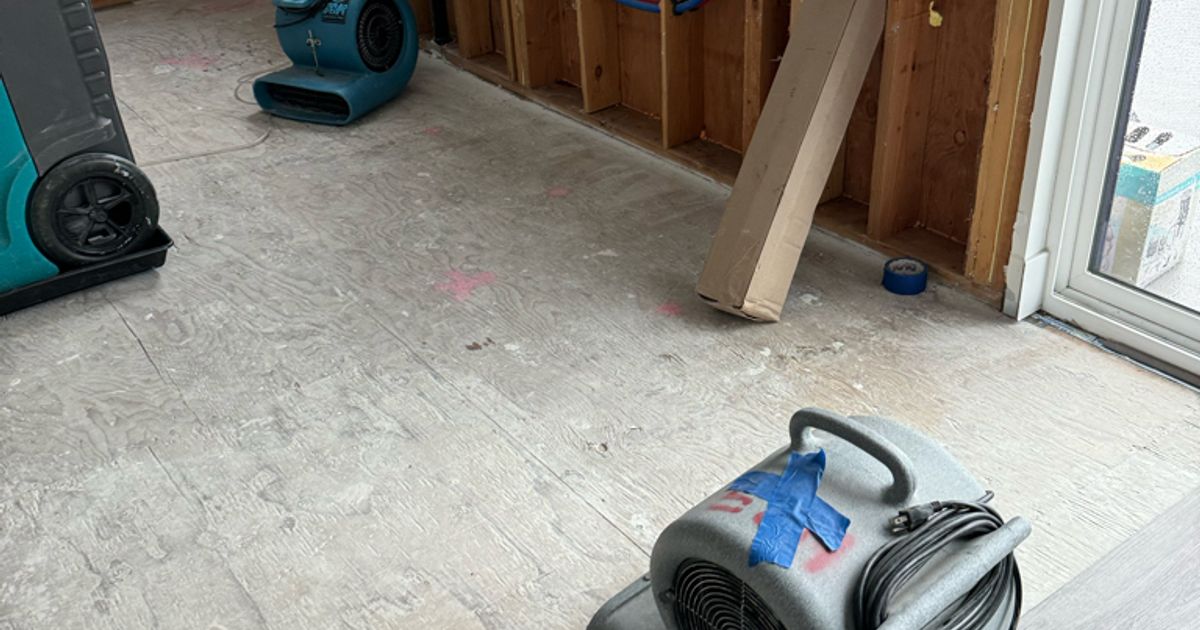
Discover how Glendale's hillside terrain, aging infrastructure, and wildfire zones create unique water damage risks for homeowners in this LA County city.
Glendale's unique position in the San Fernando Valley creates a perfect storm of water damage risks that homeowners need to understand. The city's location at the base of the Verdugo Mountains, combined with its diverse elevation changes from Downtown Glendale to the hillside neighborhoods of Adams Hill and Crescenta Highlands, presents distinct challenges that differ significantly from flatter areas of Los Angeles County.
The topographical complexity of Glendale means that water doesn't just flow downhill—it accelerates, creating powerful runoff patterns that can overwhelm drainage systems and infiltrate homes in unexpected ways. Properties in Verdugo Woodlands and Montrose experience different water pressures and flow patterns than homes near the Americana at Brand, making professional water damage restoration in Glendale services essential for addressing location-specific issues.
Hillside Terrain Creates Unique Drainage Challenges
Glendale's hillside neighborhoods face water damage risks that flat-terrain communities rarely encounter. Properties in Adams Hill and the Crescenta Highlands deal with gravity-fed water flow during storms, where runoff from the Verdugo Mountains can saturate soil and create hydrostatic pressure against foundation walls. This pressure forces water through basement walls, crawl spaces, and foundation cracks that might otherwise remain dry.
The steep grades in these areas also mean that even minor plumbing leaks can travel significant distances before becoming visible, often causing extensive hidden damage. Homes built into hillsides in neighborhoods like Rossmoyne frequently experience water intrusion through retaining walls, especially during Glendale's wet winter months when soil saturation reaches peak levels. The city's geology, characterized by decomposed granite and clay soils, compounds these issues by creating unpredictable water retention and drainage patterns.
Aging Infrastructure Amplifies Water Damage Risk
Glendale's housing stock tells the story of Los Angeles County's development, with many homes in established neighborhoods dating back to the 1920s and 1930s. These Craftsman-style homes in areas near Forest Lawn Memorial Park often feature original plumbing systems that have exceeded their expected lifespan. Cast iron pipes, common in pre-1960s construction, are particularly susceptible to corrosion and sudden failure in Glendale's mineral-rich water supply.
The city's infrastructure challenges extend beyond individual properties. Water main breaks occur regularly throughout Glendale's older neighborhoods, with the aging distribution system struggling to maintain pressure and integrity. When these breaks occur, they can flood streets, infiltrate nearby properties through foundation cracks, and create secondary damage as repair crews excavate around affected homes. Properties in ZIP codes 91201 and 91202, which encompass much of the older residential areas, experience these infrastructure-related water events more frequently than newer developments.
Seasonal Weather Patterns and Wildfire Aftermath
Glendale's Mediterranean climate creates distinct seasonal water damage patterns that homeowners must anticipate. The city's position in the Verdugo Mountains wildfire zone means that burned hillsides lose their natural water absorption capacity, dramatically increasing runoff during subsequent rainy seasons. After wildfire events, neighborhoods like Verdugo Woodlands face elevated flood risks as water rushes down denuded slopes, carrying debris and overwhelming storm drainage systems.
Winter storms bring concentrated rainfall that Glendale's hardscaped urban environment struggles to absorb. The combination of steep terrain and extensive concrete surfaces creates rapid runoff that can overwhelm gutters, downspouts, and foundation drainage systems. Properties throughout the city experience basement flooding, crawl space intrusion, and foundation seepage during these intense weather events, with hillside homes bearing the brunt of the impact.
Building Diversity Creates Varied Vulnerability
The architectural diversity across Glendale's neighborhoods means water damage manifests differently depending on construction era and style. Historic homes in established areas feature different foundation types, drainage systems, and building materials than modern condominiums near Downtown Glendale. Craftsman homes often have raised foundations with crawl spaces that can trap moisture, while mid-century ranch homes may have slab foundations prone to cracking under hydrostatic pressure.
Modern developments in areas like Montrose incorporate contemporary drainage and waterproofing techniques, but they're not immune to water damage. These newer properties often experience issues related to improper grading, inadequate waterproofing during construction, or failures in modern building materials that don't perform as expected in Glendale's specific environmental conditions.
## Related Articles
Learn more about restoration services in Glendale:
- How to Choose the Right Water Damage Restoration Company in Glendale, CA
- DIY vs Professional Water Damage Cleanup in Glendale: When to Call the Experts
Given Glendale's complex water damage risk profile, homeowners benefit from understanding their property's specific vulnerabilities. Go Green Restoration Inc, serving Los Angeles and Ventura Counties, regularly addresses the unique challenges that Glendale's terrain and infrastructure present, from hillside drainage issues to wildfire-related flood damage.
The combination of steep terrain, aging infrastructure, seasonal weather extremes, and diverse building stock creates water damage scenarios that require specialized knowledge and equipment. Homeowners in all of Glendale's neighborhoods—from the hillside communities to the urban core—should consider professional water damage assessment and prevention strategies tailored to their specific location and property characteristics. Understanding these environmental factors helps property owners make informed decisions about waterproofing, drainage improvements, and emergency preparedness in this unique corner of Los Angeles County.
Need Professional Help?
Go Green Restoration provides 24/7 emergency services throughout Los Angeles and Ventura Counties. Licensed (#1005708), bonded, and insured.