How Oak Park's Suburban Setting Affects Water Damage Risk
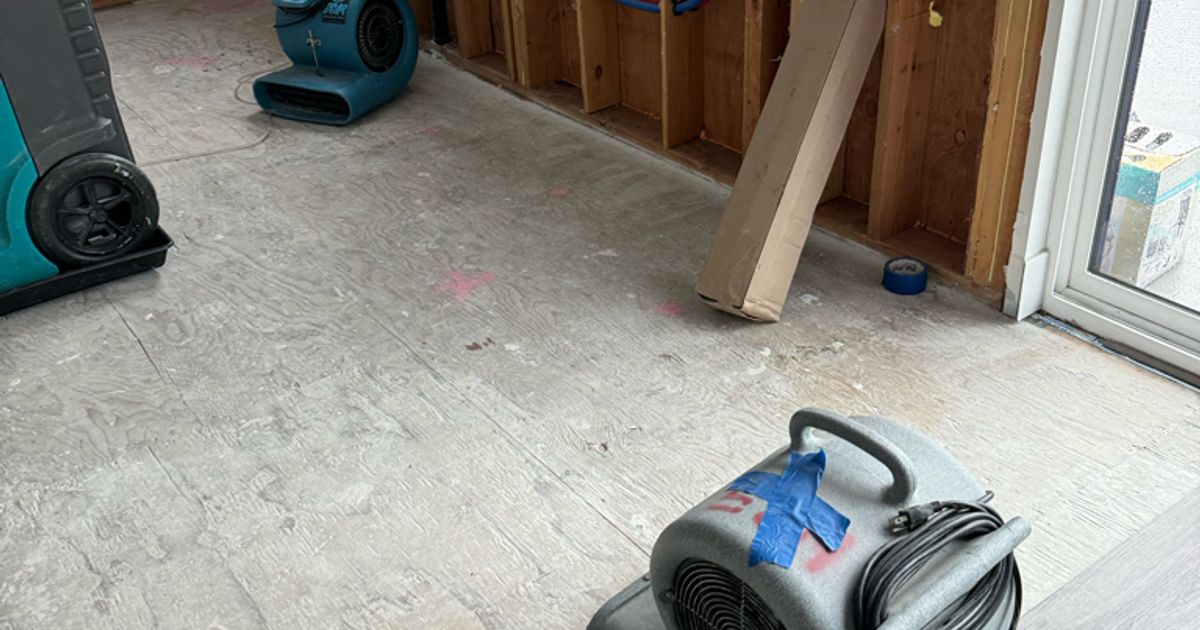
Discover how Oak Park, CA's hilly terrain, aging homes, and wildfire zones create unique water damage risks for homeowners in this Ventura County community.
Oak Park's unique position nestled in the hills between Agoura Hills and Thousand Oaks creates a perfect storm of conditions that significantly elevate water damage risks for homeowners. This affluent suburban community of nearly 14,000 residents faces challenges that many flat-terrain neighborhoods never encounter, from steep drainage patterns to post-wildfire flooding concerns that have become increasingly relevant since the devastating Woolsey Fire.
The community's canyon and hillside geography, while offering stunning views and privacy, fundamentally alters how water behaves during storms and emergencies. Residents in neighborhoods like Oak Park Estates and Deerhill have learned that their scenic location comes with hidden vulnerabilities that require proactive planning and swift response when water damage occurs. Professional water damage restoration in Oak Park becomes especially important given these unique geographic challenges that can turn minor leaks into major structural issues.
Terrain and Drainage Challenges in Oak Park's Hills
Oak Park's hilly terrain creates natural funneling effects that concentrate water flow during heavy rains, particularly impacting homes built on slopes throughout the 91377 ZIP code area. The steep grades common in developments near Lindero Canyon Park mean that surface water doesn't absorb into the ground as readily as it would in flatter areas, instead rushing downhill and potentially overwhelming drainage systems.
Homes positioned at the bottom of slopes face the greatest risk, as they become natural collection points for runoff from higher elevations. The community's canyon setting exacerbates this issue, creating natural channels that can direct substantial water volumes toward residential areas during intense storms. Properties along these natural drainage paths often experience repeated flooding issues, with water finding ways into basements, crawl spaces, and ground-level rooms.
The rocky soil composition typical of Oak Park's hillsides also contributes to drainage problems. When the ground becomes saturated, additional rainfall has nowhere to go except toward the lowest points – often residential properties. This geological reality means that even homes with proper guttering and grading can face water intrusion during significant weather events.
Weather Patterns and Seasonal Water Damage Risks
Oak Park's Mediterranean climate brings distinct seasonal patterns that create predictable water damage vulnerabilities throughout the year. The community experiences intense winter storms that can deliver several inches of rain in short periods, overwhelming drainage systems designed for typical Southern California precipitation levels.
Summer months present different challenges, particularly the increased wildfire risk that has affected Oak Park dramatically. The dry conditions that make the area susceptible to fires like the Woolsey Fire also create hard-packed soil that cannot absorb water effectively when the rains finally arrive. This creates a dangerous cycle where fire-damaged areas become flood-prone zones during subsequent storm seasons.
Spring brings its own concerns as snowmelt from higher elevations can increase water flow through the canyon systems that define Oak Park's geography. Combined with seasonal rains, this can create sustained periods of elevated water table levels that increase the likelihood of foundation seepage and basement flooding throughout the community.
The transition periods between seasons often catch homeowners off-guard, as the first significant rains after dry summers can reveal roof damage or clogged drainage systems that developed during the hot months but weren't apparent until water began flowing again.
Aging Building Stock and Infrastructure Vulnerabilities
Many of Oak Park's homes were constructed during the 1980s and 1990s building boom, meaning that roofing systems, plumbing, and waterproofing materials are now reaching the end of their expected lifespans. This aging infrastructure creates multiple potential failure points that can lead to significant water damage when systems fail.
Roof tiles and underlayment materials common in Oak Park's Spanish and Mediterranean-style homes from this era are particularly vulnerable to cracking and shifting due to the area's temperature fluctuations and occasional seismic activity. When these protective barriers fail, water can penetrate into wall cavities and ceiling spaces, often going undetected until substantial damage has occurred.
The community's older plumbing systems, many installed when building codes were less stringent regarding water pressure and pipe materials, face increased failure rates as they age. Copper pipes common in 1980s construction can develop pinhole leaks, while older water heaters and washing machine connections become more prone to catastrophic failures that can flood entire homes.
Foundation waterproofing systems from this construction period often relied on materials and techniques that have proven less durable than originally anticipated, particularly in Oak Park's challenging soil conditions and seismic environment.
Post-Fire Flood and Mudslide Considerations
The Woolsey Fire's impact on Oak Park created lasting changes to the local landscape that continue to affect water damage risks years later. Burned hillsides lack the vegetation that normally helps absorb and slow water flow, creating conditions where even moderate rainfall can generate dangerous runoff volumes.
Areas near Lindero Canyon Park and throughout the burn zones remain particularly vulnerable to debris flows and mudslides during storm events. These geological hazards can damage homes directly while also blocking drainage channels and creating new flood patterns that affect properties far from the original fire damage.
Go Green Restoration Inc has observed that post-fire flooding often carries ash, sediment, and debris that creates additional cleanup challenges beyond typical water damage scenarios. This contaminated water can penetrate deeper into building materials and require specialized remediation techniques to ensure complete restoration.
Homeowners in previously burned areas face the ongoing challenge of monitoring changing drainage patterns as the landscape slowly recovers. New erosion channels can direct water toward properties that never experienced flooding before the fire, making it essential for residents to regularly reassess their water damage vulnerabilities and update their emergency preparedness plans accordingly.
## Related Articles
Learn more about restoration services in Oak Park:
- Water Damage Insurance Claims in Oak Park: What Homeowners Need to Know
- Seasonal Water Damage Risks in Oak Park and How to Prepare Your Home Year-Round
Given Oak Park's unique risk factors, homeowners need targeted strategies that address the community's specific vulnerabilities. Regular roof inspections become especially important given the combination of aging building stock and extreme weather exposure that characterizes the area.
Installing proper drainage systems that account for Oak Park's hilly terrain requires professional assessment of each property's specific topography and water flow patterns. Simple solutions like French drains or improved guttering may not be sufficient for homes facing the complex drainage challenges created by the community's canyon setting.
Foundation waterproofing deserves particular attention in Oak Park, where the combination of aging homes and challenging soil conditions creates ongoing seepage risks. Modern waterproofing materials and techniques can provide much better protection than the systems originally installed in many of the community's homes.
Emergency preparedness planning should account for Oak Park's unique access challenges during major storms, when canyon roads may become impassable and emergency services delayed. Having local restoration contacts and emergency supplies readily available becomes even more important in this geographically isolated community.
Need Professional Help?
Go Green Restoration provides 24/7 emergency services throughout Los Angeles and Ventura Counties. Licensed (#1005708), bonded, and insured.