How Piru's Rural Setting Affects Water Damage Risk for Homeowners
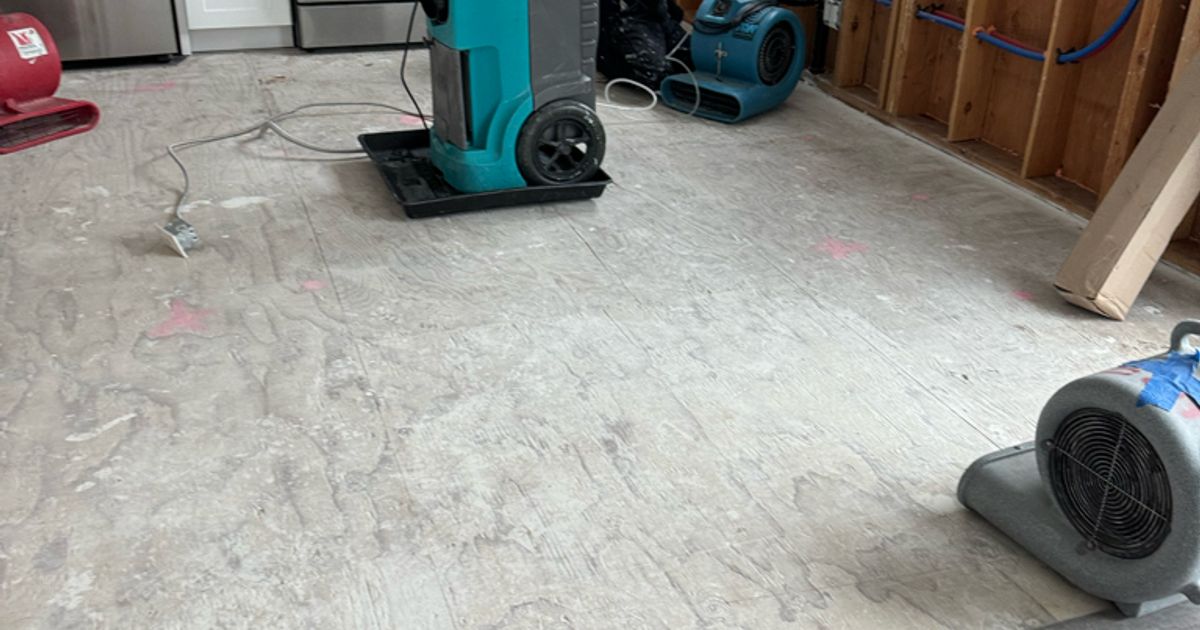
Discover how Piru's rural location, aging infrastructure, and proximity to Lake Piru and Piru Creek increase water damage risks for local homeowners.
Piru's rural location in eastern Ventura County creates unique water damage challenges that urban homeowners rarely face. This small agricultural community of just over 2,000 residents sits in a geographic setting that combines multiple risk factors: proximity to both Lake Piru and Piru Creek, aging residential infrastructure, and limited emergency response capabilities due to its remote location.
The community's isolation means that when water damage strikes, homeowners often wait longer for professional help to arrive. Unlike residents in Fillmore or Santa Paula who have quicker access to restoration services, Piru homeowners benefit from understanding their specific risks and having established relationships with qualified professionals. Go Green Restoration Inc serves this rural community with specialized knowledge of the area's unique challenges, from creek flooding to aging home systems.
Homeowners seeking water damage restoration in Piru face distinct challenges tied to the area's rural character and geographic position in the Santa Clara River Valley.
Geographic Vulnerabilities in the Piru Valley
Piru's position in the Santa Clara River Valley creates a natural collection point for water during storm events. The community sits at approximately 780 feet elevation, with higher terrain surrounding the valley on multiple sides. This topography channels rainwater and runoff directly through the area, with Piru Creek serving as the primary drainage corridor.
Properties closest to Piru Creek face the highest flood risk, particularly during El Niño winters when Pacific storms dump heavy rainfall across Ventura County. The 2017 and 2019 storm seasons demonstrated how quickly the normally modest creek can overflow its banks, sending water into homes along its path. Unlike urban areas with extensive storm drain systems, Piru relies primarily on natural drainage patterns that can become overwhelmed during major weather events.
The proximity to Lake Piru adds another dimension to local water risks. While the lake itself is contained by Pyramid Dam, the surrounding watershed affects local groundwater levels and can contribute to unexpected moisture problems in basements and crawl spaces, particularly in homes built closer to the lake's eastern shores.
Seasonal Weather Patterns and Storm Risks
Piru experiences a Mediterranean climate with distinct wet and dry seasons that create cyclical water damage risks. The area typically receives most of its annual rainfall between November and March, with January and February bringing the heaviest precipitation. During these months, the combination of saturated soils and continued rainfall creates perfect conditions for both surface flooding and foundation moisture intrusion.
The rural community's location puts it directly in the path of atmospheric rivers - those narrow corridors of concentrated moisture that can deliver several inches of rain in just hours. The 2023 atmospheric river events that impacted much of California hit Piru particularly hard, with some properties experiencing their first flood damage in decades as Piru Creek exceeded its capacity.
Summer months bring different challenges, as the extreme heat common to inland Ventura County can cause soil around foundations to shrink and crack, creating pathways for water intrusion when the rains return. Properties with older concrete foundations, common throughout the Piru Community neighborhood, are especially susceptible to this seasonal expansion and contraction cycle.
Aging Infrastructure and Building Stock Challenges
Many homes in Piru date back several decades, with a significant portion built between the 1960s and 1980s when construction standards were less stringent regarding moisture protection. These older properties often feature original plumbing systems, galvanized pipes, and outdated water heater installations that increase the likelihood of internal water damage events.
The rural nature of the community means that many properties rely on well water systems and septic tanks rather than municipal utilities. Well pumps can fail during power outages common to the area, while aging septic systems can back up during heavy rains when the ground becomes saturated. Properties along the eastern edges of the community, closer to the foothills, often experience these utility-related water issues more frequently.
Original roofing materials on many Piru homes have exceeded their expected lifespan, making them vulnerable to leak damage during the area's occasional severe weather events. The combination of intense summer heat and winter moisture creates particularly harsh conditions for roofing materials, leading to premature failure and unexpected water intrusion.
Emergency Response and Access Limitations
Piru's remote location in eastern Ventura County means emergency services and restoration professionals face longer response times compared to more urban areas. The community's primary access routes can become compromised during severe weather events, potentially delaying water damage mitigation efforts when time is most critical.
This geographic isolation makes prevention and early detection particularly important for Piru homeowners. Properties that might receive immediate attention in Santa Paula or Fillmore could face hours of additional water exposure while waiting for professional help to arrive. The rural roads leading to many properties can become impassable during flood events, further complicating emergency response efforts.
Local residents have learned to be more self-reliant when it comes to initial water damage response, but this also means having established relationships with qualified restoration professionals who understand the area's specific challenges and can prioritize rural emergency calls.
Wildfire-Related Water Damage Risks
Piru's location near Lake Piru and surrounded by dry brush creates significant wildfire risk, which indirectly increases water damage potential. Post-fire landscapes lose their natural ability to absorb rainfall, leading to increased runoff and flood risk in subsequent storm seasons. The 2017 Thomas Fire, while not directly impacting Piru, demonstrated how wildfire damage in surrounding areas can affect local water flow patterns.
Properties that survive wildfire events often face water damage from firefighting efforts, as aerial drops and ground crews use massive amounts of water that can saturate structures and surrounding soil. The rural nature of Piru means that fire suppression efforts might rely more heavily on water drops from aircraft, potentially causing unexpected flooding in areas not directly threatened by flames.
The ongoing drought conditions common to Southern California increase vegetation dryness around Piru, raising both fire risk and the potential for dramatic water damage when fires are eventually suppressed. Homeowners in this rural community must consider both fire prevention and post-fire water damage as interconnected risks requiring proactive planning and professional partnerships.
For more information, visit our water damage resources.
Need Professional Help?
Go Green Restoration provides 24/7 emergency services throughout Los Angeles and Ventura Counties. Licensed (#1005708), bonded, and insured.