How Pomona's Urban Environment Affects Water Damage Risk
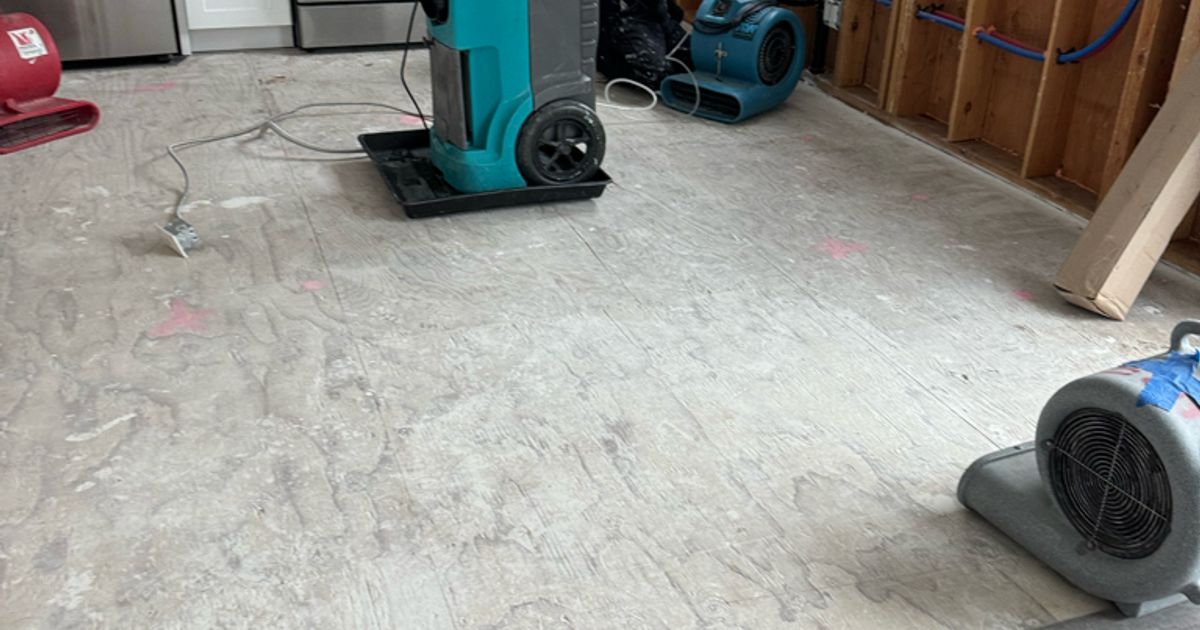
Learn how Pomona's foothill terrain, aging infrastructure, and extreme inland heat create unique water damage risks for homeowners.
Pomona's Geographic Challenges Create Unique Water Damage Risks
Pomona's position at the base of the San Gabriel Mountains creates a perfect storm of water damage vulnerabilities that homeowners throughout the 91766, 91767, 91768, and 91769 ZIP codes must understand. The city's diverse topography ranges from foothill neighborhoods near Cal Poly Pomona to flatland areas in Downtown Pomona, each presenting distinct moisture-related challenges that can lead to costly property damage.
The foothill terrain in areas like Phillips Ranch makes properties particularly susceptible to water intrusion during California's intense winter storms. When heavy rains saturate the hillsides, gravity naturally channels water toward lower elevations, often overwhelming drainage systems and causing basement flooding or foundation seepage. Properties built on slopes near the university area frequently experience water pooling issues that can compromise structural integrity over time. Professional water damage restoration in Pomona becomes essential when these geographic factors combine with extreme weather events.
Aging Infrastructure in Historic Downtown Areas
Downtown Pomona's historic building stock, much of it dating to the early-to-mid 20th century, presents ongoing water damage risks that modern properties don't face. The area around the Fairplex and older commercial districts contains structures with original plumbing systems from the 1950s and 1960s, when building codes were less stringent regarding moisture prevention.
These aging pipes, particularly in buildings near Garey Avenue and the historic civic center, are prone to sudden failures that can flood entire floors before residents or business owners realize there's a problem. Cast iron pipes common in this era develop pinhole leaks and corrosion that gradually weaken until they burst, often during periods of high water pressure or temperature fluctuations. The combination of old infrastructure and Pomona's extreme temperature swings creates a high-risk environment for water damage emergencies.
Extreme Inland Heat Stresses Building Systems
Pomona's inland location subjects the city to some of Los Angeles County's most extreme temperature variations, with summer highs regularly exceeding 100°F and winter lows dropping into the 30s. This dramatic temperature cycling places enormous stress on HVAC systems throughout neighborhoods like Lincoln Park and South Pomona, leading to condensation problems and system failures that can cause significant water damage.
Air conditioning units working overtime during Pomona's brutal summer months often develop condensate drain blockages, causing water to back up into homes and businesses. The city's dry heat also causes building materials to expand and contract repeatedly, creating gaps in seals around windows, doors, and roof penetrations. When the occasional summer thunderstorm hits the area, these compromised seals allow water to enter structures that might otherwise remain dry. Properties near the 60 and 71 freeways face additional challenges from vehicle emissions and dust that can clog HVAC systems and drainage components.
Seasonal Weather Patterns and Water Intrusion
Pomona's position in the Pomona Valley creates unique seasonal weather patterns that significantly impact water damage risk throughout the year. The city's Mediterranean climate brings most precipitation during winter months, often in the form of intense, short-duration storms that overwhelm drainage systems designed for typical rainfall amounts.
During El Niño years, properties in lower-lying areas near Diamond Bar and Walnut borders experience flooding from overwhelmed storm drains and retention basins. The San Antonio Creek watershed, which flows through parts of Pomona, can rapidly rise during heavy rains, threatening properties in South Pomona with flood damage. Spring months bring additional risks as snowmelt from the nearby San Gabriel Mountains increases water flow through local waterways, sometimes causing unexpected flooding in areas that remain dry most of the year.
Summer's extreme heat creates its own moisture problems, as rapid temperature changes can cause pipes to burst and create condensation issues in poorly ventilated spaces. Many Pomona homes built in the post-war boom lack adequate vapor barriers, making them susceptible to humidity-related damage during the city's occasional summer storms.
Building Age and Construction Methods Increase Vulnerability
The majority of Pomona's residential housing stock was constructed during the 1950s and 1960s suburban expansion, when building techniques prioritized speed and cost over long-term moisture resistance. Neighborhoods throughout the Phillips Ranch area and older sections near Cal Poly Pomona contain thousands of homes with original building materials that have reached or exceeded their intended lifespan.
These mid-century homes often feature single-pane windows, minimal insulation, and basic moisture barriers that were adequate for their time but insufficient for today's extreme weather patterns. Concrete slab foundations common in this era can develop cracks that allow groundwater seepage, particularly during Pomona's wet winter months when the water table rises.
Many properties also feature original galvanized steel plumbing that corrodes from the inside out, creating weak points that fail without warning. As these systems age, homeowners face increasing risk of catastrophic water damage that requires immediate professional intervention. Go Green Restoration has observed that Pomona's unique combination of aging infrastructure, extreme climate conditions, and challenging topography creates water damage scenarios that require specialized knowledge of local conditions and building methods.
## Related Articles
Learn more about restoration services in Pomona:
- Water Damage Emergency Guide for Pomona Residents
- Seasonal Water Damage Risks in Pomona and How to Prepare
Understanding these risk factors allows Pomona homeowners to take proactive steps to protect their properties. Regular inspection of plumbing systems, particularly in homes built before 1970, can identify potential failure points before they cause major damage. Properties in foothill areas should maintain proper drainage around foundations and ensure gutters and downspouts direct water away from structures.
Installing moisture detection systems in basements and crawl spaces provides early warning of water intrusion, while upgrading insulation and vapor barriers helps prevent condensation-related damage during temperature extremes. Given Pomona's unique environmental challenges, these preventive measures aren't just recommendations—they're essential protection against the city's inherent water damage risks.
Need Professional Help?
Go Green Restoration provides 24/7 emergency services throughout Los Angeles and Ventura Counties. Licensed (#1005708), bonded, and insured.