How Port Hueneme's Coastal Location Affects Water Damage Risk
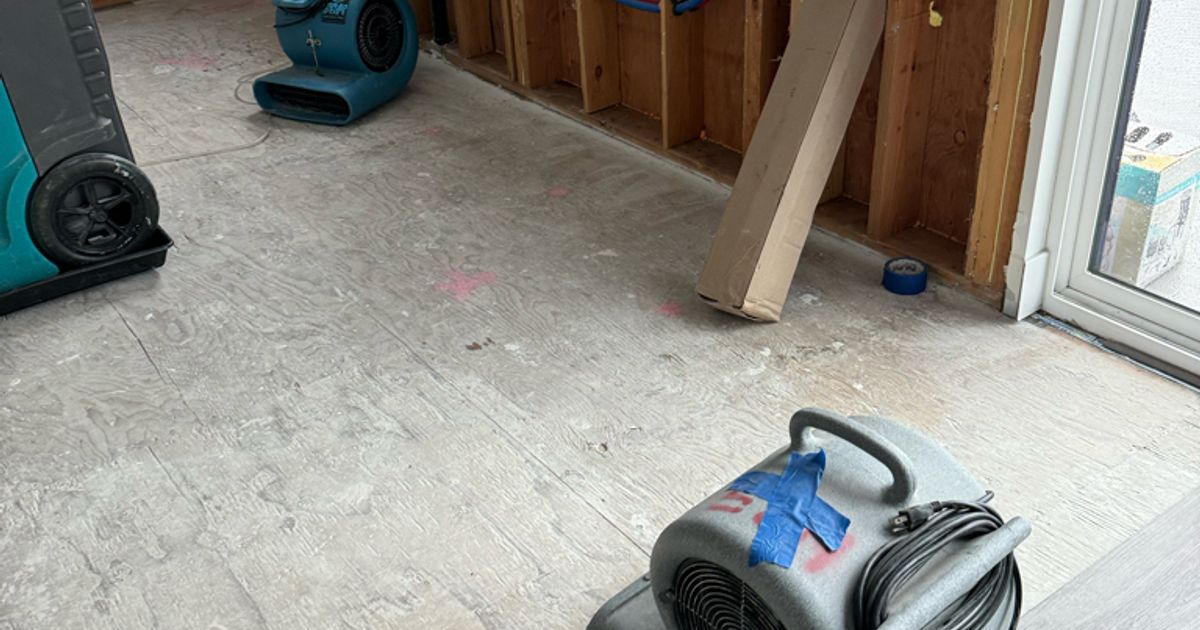
Port Hueneme homeowners face unique water damage risks from salt air, storm surge, and aging infrastructure. Learn protection strategies for coastal properties.
Port Hueneme's position directly on the Pacific Coast creates a perfect storm of conditions that significantly elevate water damage risks for homeowners throughout the 93041, 93043, and 93044 ZIP codes. The city's flat coastal terrain, combined with its proximity to both the ocean and the Santa Clara River mouth, means properties face multiple moisture threats that inland communities rarely encounter.
The constant exposure to marine air affects every neighborhood from Surfside to East Port Hueneme, where salt-laden moisture penetrates building materials and accelerates deterioration. Professional water damage restoration in Port Hueneme becomes necessary more frequently here than in inland Ventura County communities, as the unique coastal environment creates ongoing challenges for maintaining dry, healthy indoor environments.
Salt Air and Accelerated Building Deterioration
Port Hueneme's beachfront location means homes throughout the city experience constant salt air exposure that creates hidden water damage risks. Properties near Port Hueneme Beach Park face the most intense salt spray, but even homes several blocks inland in East Port Hueneme deal with airborne salt particles that corrode metal components and break down protective coatings on exterior surfaces.
This salt exposure weakens window seals, door frames, and roofing materials faster than normal weathering would. When these protective barriers fail, moisture infiltration becomes inevitable during Port Hueneme's winter rain season. Homeowners often discover water damage behind walls or under flooring only after salt air has compromised multiple building envelope components over several seasons.
The military housing and civilian properties adjacent to Naval Base Ventura County face additional challenges, as the base's proximity to the harbor means these areas receive concentrated salt exposure from both ocean spray and industrial marine activities. Many homes in these areas require more frequent maintenance of exterior sealing systems to prevent moisture intrusion.
Storm Surge and Tidal Flooding Risks
Port Hueneme's low elevation and direct ocean exposure create significant flood risks during winter storms and king tide events. The Surfside neighborhood, being closest to the waterfront, experiences the most severe impacts when storm surge combines with high tides to push seawater inland beyond the normal beach boundaries.
During El Niño years, Port Hueneme has seen storm surge reach several blocks inland from the normal high tide line, affecting properties that homeowners never expected to flood. The city's flat topography means floodwater spreads widely rather than concentrating in obvious low spots, catching residents off guard when storms coincide with astronomical high tides.
Properties near Bubbling Springs Park face additional risks because the area's natural springs can overflow during heavy rains, creating localized flooding that combines with storm runoff. This groundwater saturation can persist for days after storms pass, leading to foundation moisture problems and basement flooding in areas where homeowners assumed they were safe from water damage.
Aging Infrastructure Vulnerabilities
Many Port Hueneme homes date back several decades, with building techniques and materials that weren't designed for the intense coastal moisture exposure they now face. Properties throughout the city often have original plumbing systems, electrical conduits, and foundation waterproofing that have degraded under constant salt air exposure.
The affordable housing stock that makes Port Hueneme attractive to military families and first-time homebuyers often means deferred maintenance on moisture protection systems. Older homes in East Port Hueneme frequently have compromised vapor barriers, outdated caulking around windows and doors, and roofing materials that have lost their water-resistant properties over time.
As Go Green Restoration has observed while serving Port Hueneme homeowners, many water damage incidents result from multiple small infrastructure failures rather than single catastrophic events. A slightly loose roof tile, combined with worn window seals and aging caulk around exterior penetrations, can allow moisture infiltration that goes unnoticed until significant damage occurs.
Seasonal Weather Pattern Impacts
Port Hueneme's Mediterranean climate creates distinct seasonal water damage patterns that homeowners need to understand. The city's winter rainy season, typically running from December through March, brings Pacific storms that approach directly from the ocean, creating wind-driven rain that can penetrate building envelopes more effectively than vertical precipitation.
Summer's marine layer brings a different challenge, as the cool, moisture-laden air creates condensation problems inside homes when it meets warm interior surfaces. Properties throughout Port Hueneme Beach and Surfside neighborhoods often experience condensation issues on windows, in attics, and around HVAC systems during the summer months when the marine layer is most persistent.
The transition periods between seasons present their own risks, as temperature fluctuations cause building materials to expand and contract, potentially opening gaps in sealants and weather barriers. Fall Santa Ana wind events can drive debris against homes and damage exterior protective systems just before the rainy season begins.
Prevention Strategies for Coastal Properties
Port Hueneme homeowners can reduce water damage risks by implementing coastal-specific protection measures. Regular inspection and maintenance of exterior sealants becomes more important here than in inland areas, as salt air breaks down these materials faster than normal weathering.
Installing proper drainage around foundations helps manage both storm runoff and the higher groundwater levels common near the coast. Properties in low-lying areas near the harbor should consider sump pumps or other mechanical drainage systems to handle seasonal water table fluctuations.
Upgrading to marine-grade materials for exterior applications provides better long-term protection against salt air corrosion. This includes using stainless steel fasteners, marine-grade sealants, and corrosion-resistant hardware for outdoor installations. While these materials cost more initially, they provide better protection against the accelerated deterioration that affects all coastal properties in Port Hueneme.
For more information, visit our water damage resources.
Need Professional Help?
Go Green Restoration provides 24/7 emergency services throughout Los Angeles and Ventura Counties. Licensed (#1005708), bonded, and insured.