How Santa Susana's Rural Setting Increases Water Damage Risk for Homeowners
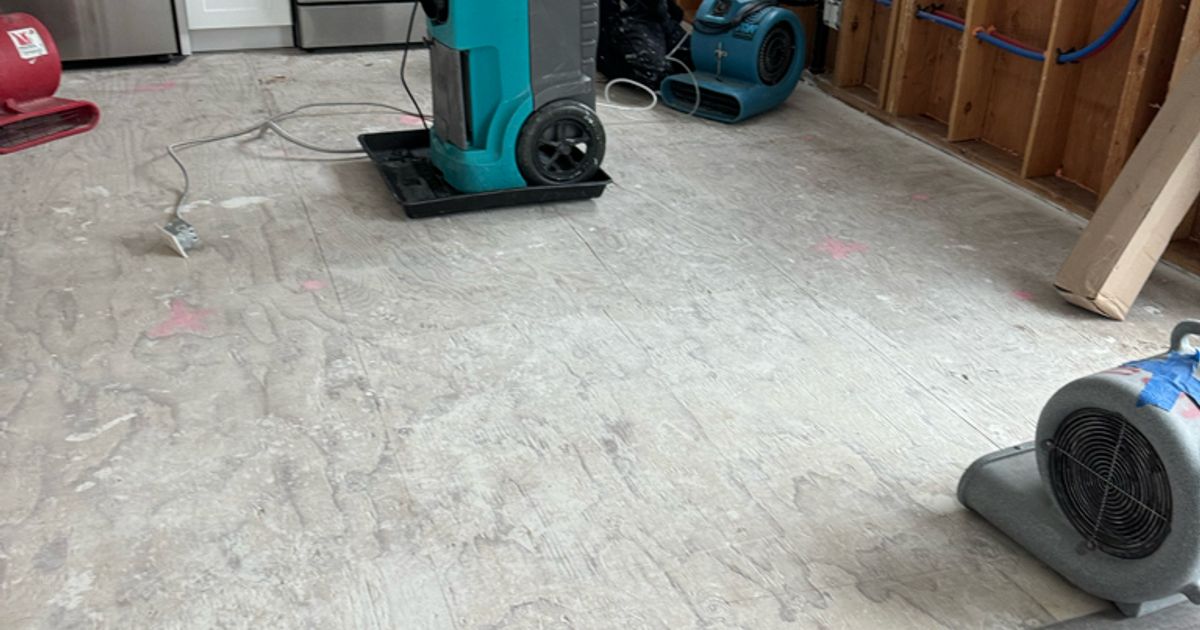
Santa Susana's hillside location and wildfire exposure create unique water damage risks. Learn how terrain and climate affect your property.
Santa Susana's unique position at the Santa Susana Pass creates a perfect storm of conditions that significantly elevate water damage risks for the community's 1,400 residents. This small rural enclave between Simi Valley and the San Fernando Valley faces challenges that urban homeowners rarely encounter, from extreme wildfire exposure to hillside drainage issues that can turn minor water events into major property disasters.
The community's semi-rural character means infrastructure varies dramatically from property to property, with some homes relying on older plumbing systems and septic tanks that may not handle water emergencies effectively. When water damage strikes in this remote setting, quick access to professional water damage restoration in Santa Susana becomes even more critical due to the area's isolation and limited emergency services.
Hillside Terrain Creates Unique Drainage Challenges
Santa Susana's dramatic hillside topography in the 93063 ZIP code area presents water management challenges that flat terrain communities never face. Properties built on slopes naturally channel water downhill during storms, but the rocky, fire-prone soil common throughout Santa Susana Knolls doesn't absorb moisture efficiently. This combination means that even moderate rainfall can overwhelm drainage systems and create flash flooding conditions that send water directly toward homes.
The steep grades throughout the community also mean that properties at the bottom of slopes receive runoff from multiple uphill sources. During Ventura County's intense winter storm seasons, homes near the base of hills often experience water intrusion through foundations, crawl spaces, and lower-level windows as saturated soil pushes moisture through any available opening. The area's proximity to Santa Susana Pass State Historic Park, with its natural watershed patterns, can amplify these effects when park runoff combines with residential drainage.
Wildfire Aftermath Amplifies Water Damage Risk
Santa Susana's location in an extreme wildfire zone creates a secondary water damage risk that many residents don't anticipate. After brush fires sweep through the area, the burned hillsides lose their natural ability to absorb and slow water flow. The hardened, fire-damaged soil creates conditions similar to concrete, where rainwater rushes downhill with tremendous force, carrying debris and ash directly toward homes.
Post-fire flooding events in Santa Susana can be particularly devastating because the water often contains toxic ash and debris from burned vegetation and structures. This contaminated water requires specialized cleanup techniques beyond standard water extraction. Properties that escaped fire damage often suffer severe water and mud intrusion during the first significant rainfall following area wildfires, particularly those located downhill from recently burned areas near Chatsworth or the Simi Valley border.
Aging Infrastructure in Rural Settings
The semi-rural nature of Santa Susana means that many properties rely on infrastructure systems that weren't designed for modern water usage patterns. Older homes throughout the community often feature original plumbing from the 1960s and 1970s, when much of the area was first developed. These aging systems are more prone to sudden failures, particularly during temperature fluctuations common at the area's elevation.
Septic systems, still common in parts of Santa Susana due to the rural setting, present additional water damage risks during heavy rainfall periods. When saturated ground prevents proper septic drainage, backups can occur that flood homes with contaminated water requiring immediate professional intervention. The distance between properties also means that a neighbor's septic or drainage issues can impact surrounding homes, as there's limited municipal infrastructure to contain problems.
Seasonal Weather Patterns Intensify Risk Periods
Santa Susana experiences distinct seasonal patterns that create predictable high-risk periods for water damage. The area's position at the pass means it receives some of the most intense Santa Ana wind conditions in Ventura County, which can damage roofing materials and create entry points for water during subsequent storms. These dry, hot winds often precede the region's wettest periods, leaving homes vulnerable just as heavy rains arrive.
Winter storms moving through the pass can dump several inches of rain in short periods, overwhelming the area's limited storm drain infrastructure. The community's elevation and exposure mean that weather systems often stall over Santa Susana, prolonging rainfall events beyond what surrounding lower-elevation areas like Moorpark experience. Spring snowmelt from higher elevations can also contribute to unexpected water accumulation, particularly in properties with compromised foundations or inadequate grading.
## Related Articles
Learn more about restoration services in Santa Susana:
When water damage occurs in Santa Susana, the community's remote location can complicate response efforts. The area's distance from major population centers means that emergency services and restoration professionals may face longer response times, particularly during widespread weather events that affect multiple communities simultaneously. This delay can allow water damage to progress from minor issues to major structural problems.
Go Green Restoration Inc understands these unique challenges facing Santa Susana residents and maintains specialized equipment for hillside and rural property restoration. The company's experience with post-wildfire water damage and contaminated water cleanup makes them particularly valuable for this community's specific needs. Having a pre-established relationship with qualified restoration professionals becomes essential for Santa Susana homeowners, given the area's isolation and the speed required for effective water damage mitigation.
The combination of terrain, climate, and infrastructure factors makes Santa Susana one of Ventura County's highest-risk communities for water damage. Understanding these risks allows homeowners to take preventive measures and respond quickly when water emergencies occur.
Need Professional Help?
Go Green Restoration provides 24/7 emergency services throughout Los Angeles and Ventura Counties. Licensed (#1005708), bonded, and insured.