West Carson Neighborhood Guide: Water Damage Risks by Area
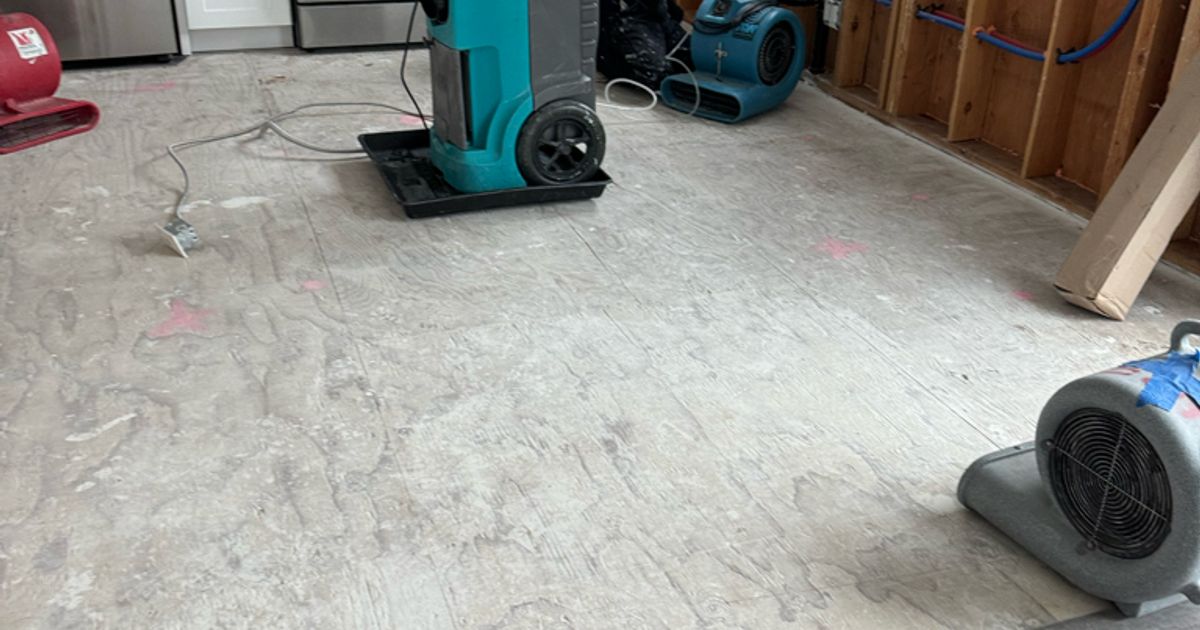
Discover water damage risks across West Carson neighborhoods, from marine moisture to aging infrastructure in this detailed area analysis.
West Carson's unique position in the South Bay creates distinct water damage challenges that vary significantly across different areas of this Los Angeles County community. The marine layer from nearby Torrance and Harbor City brings persistent moisture that affects properties differently depending on their elevation, construction era, and proximity to local infrastructure. Understanding these neighborhood-specific risks helps homeowners in ZIP codes 90502 and 90710 prepare for potential water damage scenarios.
The community's predominantly 1960s-70s construction era means many homes share similar vulnerabilities, but location within West Carson dramatically influences the severity and frequency of water-related issues. Properties closer to the Carson border experience different drainage patterns than those near Lomita, while elevation changes throughout the area create microclimates that affect moisture accumulation. When water damage does occur, professional water damage restoration in West Carson becomes essential due to the area's specific environmental challenges.
Central West Carson: Marine Layer Impact Zone
The heart of West Carson experiences the most direct impact from marine moisture, particularly properties within a half-mile radius of Scottsdale Park. This central area sits at a moderate elevation that captures morning marine layer moisture while lacking the drainage advantages of higher elevations near the Lomita border. Homes built in the late 1960s in this zone typically feature original plumbing systems that are now approaching 60 years old, creating potential failure points during periods of high humidity.
Properties along the main corridors through central West Carson face additional challenges from aging storm drain infrastructure. The original drainage systems installed during the area's initial development weren't designed for current precipitation patterns, leading to occasional backup issues during heavy rainfall. Homeowners in this zone should monitor basement areas and ground-level rooms for signs of moisture intrusion, particularly during the winter months when marine layer activity peaks.
Northern West Carson: Transition Zone Vulnerabilities
The northern section of West Carson, bordering Carson proper, experiences unique water damage risks due to its position in a natural transition zone between different drainage systems. Properties in this area often deal with runoff from higher elevations in Carson, while simultaneously managing moisture retention from the marine layer moving inland from Torrance and Harbor City.
Homes in northern West Carson frequently feature split-level designs popular in the early 1970s, which create potential water collection points where different foundation levels meet. The original builders often used construction methods that seemed adequate at the time but now show vulnerabilities to moisture intrusion. Foundation settling over five decades has created small gaps and cracks that allow water penetration during extended periods of marine layer exposure.
Southern West Carson: Harbor Proximity Effects
Southern West Carson properties, particularly those closer to Harbor City, face the most intense marine moisture exposure due to their proximity to port activities and coastal influences. The persistent humidity in this area creates ideal conditions for mold growth when water intrusion occurs, making rapid response to any moisture issues essential for property preservation.
The southern area's slightly lower elevation compared to central West Carson means water naturally flows toward these properties during significant rainfall events. Many homes in this zone were built with minimal lot grading, a common practice in the early development period that now contributes to water pooling around foundations. The combination of high humidity, older construction methods, and natural water flow patterns makes this area particularly susceptible to both acute water damage events and chronic moisture problems.
Eastern West Carson: Infrastructure Age Challenges
Eastern West Carson, extending toward the Lomita border, presents water damage risks primarily related to aging infrastructure rather than environmental factors. Properties in this area benefit from slightly higher elevation and better natural drainage, but face significant challenges from deteriorating utility lines and original construction materials reaching the end of their expected lifespan.
Many homes in eastern West Carson feature original copper plumbing that's now showing signs of corrosion and potential failure. The area's development pattern included longer utility runs to serve properties on larger lots, meaning more extensive pipe networks that increase the probability of leaks or breaks. When plumbing failures occur in this zone, they often go undetected longer due to the spread-out nature of the neighborhood, potentially causing more extensive damage before discovery.
Seasonal Risk Patterns and Mitigation Strategies
West Carson's water damage risks follow predictable seasonal patterns that homeowners can use for prevention planning. Winter months bring the highest risk due to increased rainfall combined with persistent marine layer activity, while summer months present challenges from HVAC condensation in the humid environment. Go Green Restoration Inc has observed that properties throughout West Carson experience peak water damage claims between December and March, when both precipitation and humidity levels remain consistently high.
Effective mitigation requires understanding your specific area's primary risk factors. Central and southern zone properties benefit most from improved ventilation and dehumidification systems, while northern and eastern areas need focus on drainage improvements and plumbing system updates. Regular inspection of older building materials, particularly around foundation areas and utility entry points, helps identify potential problems before they become major water damage events.
Homeowners should also consider the cumulative effects of marine moisture on building materials over time. Even without obvious leaks or flooding, the persistent humidity throughout West Carson gradually weakens wood framing, promotes mold growth, and accelerates the deterioration of seals around windows and doors. Proactive maintenance and moisture control measures prove far more cost-effective than reactive water damage restoration, particularly in this challenging South Bay environment.
For more information, visit our water damage resources.
Need Professional Help?
Go Green Restoration provides 24/7 emergency services throughout Los Angeles and Ventura Counties. Licensed (#1005708), bonded, and insured.