Seasonal Water Damage Risks in Lakewood and How to Prepare Your Home Year-Round
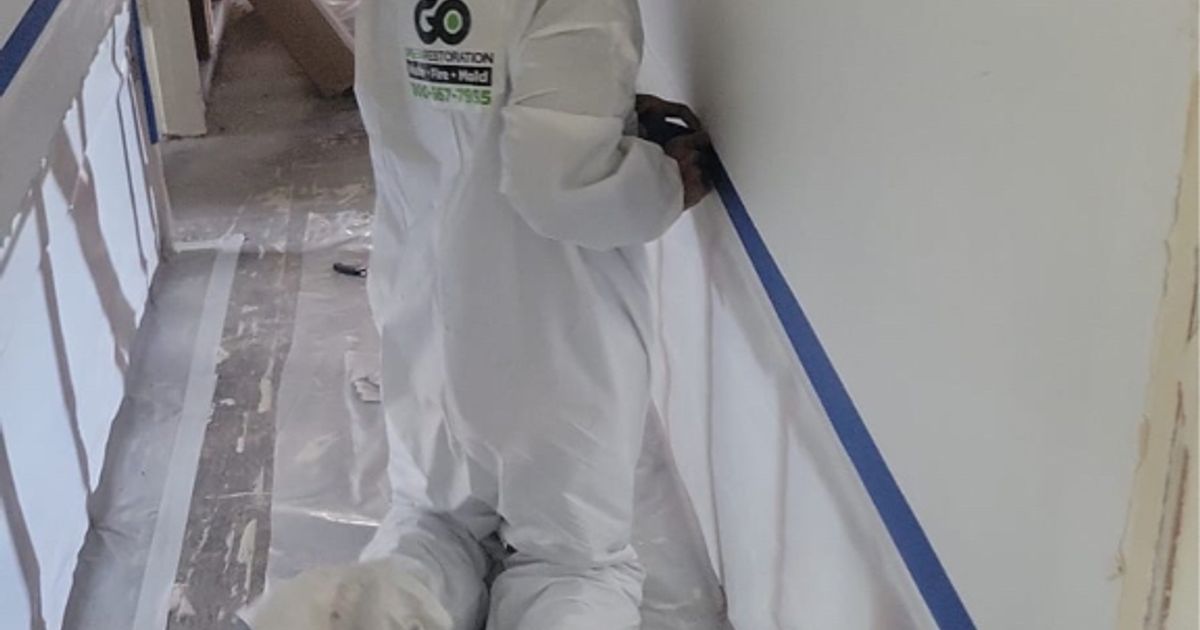
Protect your Lakewood home from seasonal water damage with expert tips for each season, from winter pipe issues to summer HVAC problems.
Lakewood homeowners face unique water damage challenges throughout the year, largely due to the city's distinctive history as one of America's first planned communities. Built primarily in the early 1950s, nearly every home in neighborhoods like Lakewood Village, Mayfair, and Del Amo features plumbing, electrical, and roofing systems that are now approaching or have exceeded their expected lifespan. This aging infrastructure, combined with the area's flat terrain and slab-on-grade construction, creates specific seasonal vulnerabilities that require proactive preparation.
The city's original post-war planning, while revolutionary for its time, didn't anticipate the long-term maintenance needs that homeowners in ZIP codes 90711 through 90715 now face. Understanding these seasonal patterns and preparing accordingly can save Lakewood residents thousands of dollars in water damage restoration in Lakewood costs while protecting their valuable properties.
Winter Water Damage Risks: Aging Pipes and Cold Snaps
Lakewood's winter months bring particular challenges for homes with 70-year-old plumbing systems. The original galvanized steel and early copper pipes installed throughout Lakewood Village and surrounding areas become increasingly brittle during cold snaps, which can drop temperatures into the 30s and 40s. While Southern California winters are mild compared to other regions, the combination of aging infrastructure and occasional freezing temperatures creates perfect conditions for pipe failures.
Slab leaks represent the most significant winter threat for Lakewood homeowners. The city's predominant slab-on-grade construction means most water lines run beneath concrete foundations, making leaks difficult to detect until significant damage occurs. During winter months, soil contraction and expansion around Mayfair Park and Del Amo areas can shift these buried pipes, causing joints to separate or pipes to crack. Homeowners should monitor their water bills closely during December through February, as unexplained increases often indicate hidden slab leaks.
To prepare for winter risks, Lakewood residents should insulate any exposed pipes in crawl spaces or along exterior walls, particularly in older homes near Lakewood Center where original construction may lack adequate insulation. Installing water leak detection devices near water heaters and main shut-off valves can provide early warning of problems before they become major disasters.
Spring Maintenance: Preparing for the Rainy Season Ahead
Spring maintenance in Lakewood requires special attention to the city's aging storm drainage system and flat topography. The original 1950s storm drains throughout Lakewood Park and surrounding neighborhoods weren't designed to handle today's increased runoff from paved surfaces and modern landscaping. March through May provides the ideal window for homeowners to prepare their properties for the next rainy season.
Gutter cleaning becomes particularly important for Lakewood homes, as the area's mature trees shed significant debris that can clog drainage systems. Homes in the Mayfair area, with their established landscaping, face higher risks of foundation water intrusion when gutters overflow during heavy rains. Spring is also the optimal time to inspect and seal foundation cracks that may have developed during winter, as Lakewood's clay soil can shift substantially between wet and dry seasons.
Homeowners should also use spring months to test sump pumps and drainage systems, particularly in lower-lying areas near Del Amo. The city's flat terrain means proper grading around foundations is essential to direct water away from homes. Spring inspections should include checking that downspouts extend at least six feet from foundations and that landscaping slopes away from the house.
Summer HVAC Challenges: Condensation in Older Systems
Summer brings unique water damage risks to Lakewood homes through HVAC condensation issues, particularly problematic in homes with original or aging air conditioning systems. The temperature differential between cool indoor air and hot outdoor temperatures can create substantial condensation within ductwork and around air handlers, especially in homes throughout Lakewood Village where original systems may lack proper insulation or vapor barriers.
Condensate drain lines in older Lakewood homes frequently become clogged with algae and debris during peak summer months, causing water to back up into air handlers or overflow into living spaces. This problem is particularly common in homes near Mayfair Park, where mature vegetation can contribute to faster algae growth in drain lines. Regular maintenance of these systems during June through August can prevent costly water damage to flooring, walls, and personal belongings.
Homeowners should inspect condensate drain lines monthly during summer, ensuring they drain freely and aren't backing up. Installing condensate overflow switches can automatically shut off air conditioning systems when drain lines become blocked, preventing water damage while alerting homeowners to maintenance needs.
Rainy Season Preparation: October Through March Readiness
Lakewood's rainy season typically runs from October through March, with the heaviest precipitation occurring between December and February. The city's flat terrain and aging infrastructure create unique flooding risks that require specific preparation strategies. Areas near Lakewood Center and throughout the Del Amo neighborhood can experience street flooding during heavy rains, as the original storm drainage system struggles with increased runoff.
Professional assessment of your home's water damage vulnerabilities becomes particularly valuable during rainy season preparation. Go Green Restoration Inc, serving Lakewood and surrounding Los Angeles County communities, helps homeowners identify potential problem areas before they become costly disasters. Their expertise with local conditions and aging infrastructure can provide invaluable insights for protecting your property.
Rainy season preparation should include installing or testing sump pumps, sealing foundation cracks, and ensuring proper drainage around your property. Lakewood homeowners should also consider installing water detection alarms in basements, utility rooms, and other areas prone to flooding. Given the city's history of street flooding during major storms, having emergency supplies and a water damage response plan can minimize damage when problems occur.
Maintaining detailed documentation of your home's plumbing system, including shut-off valve locations and recent repairs, can prove invaluable during emergency situations. Regular seasonal maintenance, combined with awareness of Lakewood's specific vulnerabilities, provides the best protection against water damage throughout the year.
For more information, visit our water damage resources.
Need Professional Help?
Go Green Restoration provides 24/7 emergency services throughout Los Angeles and Ventura Counties. Licensed (#1005708), bonded, and insured.