Seasonal Water Damage Risks in Santa Rosa Valley and How to Prepare
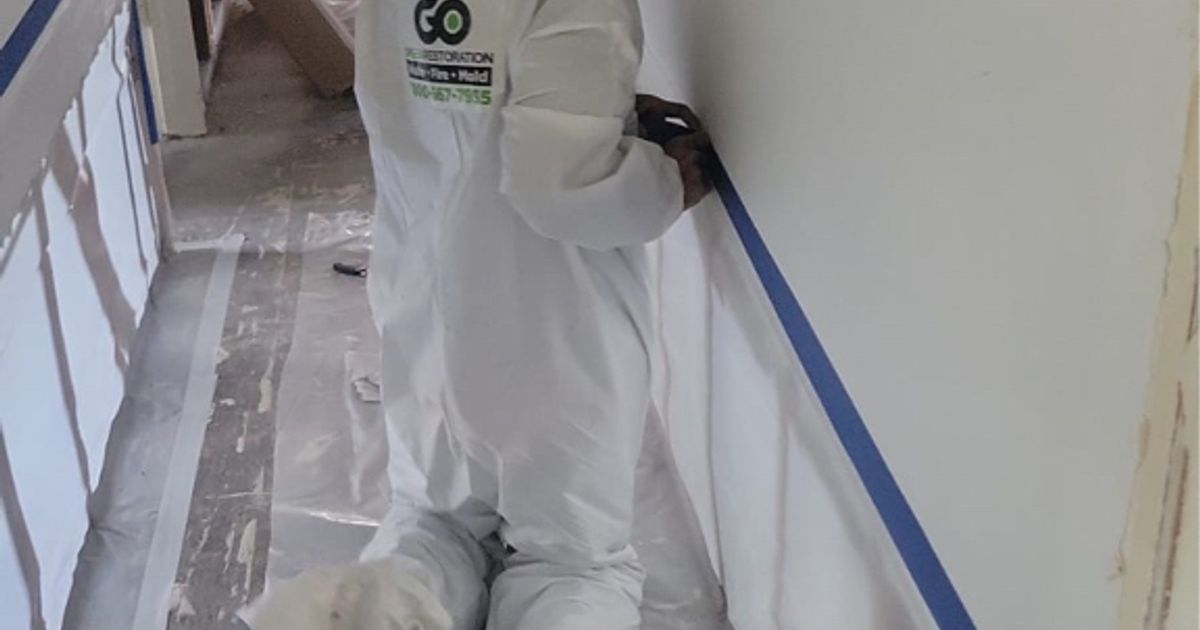
Santa Rosa Valley homeowners face unique seasonal water damage risks from wildfire aftermath, HVAC issues, and hillside runoff. Expert preparation tips.
Santa Rosa Valley's unique geography creates distinct seasonal water damage challenges for the area's 7,300 residents. The valley's rural-residential character, combined with its location between Camarillo and Thousand Oaks, means properties face everything from wildfire-related water damage to complex drainage issues from hillside runoff. Understanding these seasonal patterns helps homeowners in ZIP code 93012 protect their estates and equestrian facilities year-round.
The valley's positioning creates microclimates that affect water damage risks differently throughout the year. Properties along Santa Rosa Trail and throughout Santa Rosa Valley Estates experience varying exposure to seasonal hazards based on their elevation and proximity to the surrounding hills. Professional water damage restoration in Santa Rosa Valley becomes essential when these seasonal risks materialize into actual damage.
Winter Water Damage Concerns in Santa Rosa Valley
Winter brings unique challenges to Santa Rosa Valley's large estate properties. The combination of occasional freezing temperatures and the area's extensive irrigation systems creates pipe vulnerability that many residents don't anticipate. Properties with equestrian facilities face particular risk, as barn and stable plumbing often lacks adequate insulation.
The valley's elevation changes mean that while lower areas near Somis might avoid freezing, properties at higher elevations can experience pipe bursts during cold snaps. Pool equipment and outdoor plumbing systems common to the area's luxury homes are especially vulnerable. Homeowners should insulate exposed pipes in utility areas, barns, and pool equipment rooms before December.
Winter also brings the aftermath of fire season damage. Properties affected by wildfires like the 2019 Easy Fire often discover compromised plumbing systems during winter's first heavy use. Fire-damaged pipes may not show problems until increased water pressure from winter irrigation system testing reveals weakened joints and connections.
Rainy Season Preparation for Hillside Runoff
Santa Rosa Valley's position between hills creates significant drainage challenges during the rainy season from December through March. The valley floor naturally collects runoff from surrounding slopes, and properties near the base of hills face flooding risks that increase each year as development changes water flow patterns.
Homeowners should inspect and clear drainage systems before November. Properties in Santa Rosa Valley Estates particularly need attention to French drains and slope stabilization systems. The area's clay soil doesn't absorb water quickly, leading to surface runoff that can overwhelm inadequate drainage systems.
Foundation waterproofing becomes essential for homes built into hillsides or in lower-lying areas of the valley. Many properties were built before current drainage standards, making them vulnerable to water intrusion during heavy rain events. Installing or upgrading sump pumps and ensuring proper grading away from foundations prevents costly basement and crawl space flooding.
Summer HVAC and Heat-Related Water Issues
Santa Rosa Valley's extreme summer heat creates specific water damage risks that catch many homeowners off guard. The area regularly experiences temperatures exceeding 100°F, putting enormous strain on HVAC systems in the valley's large homes and equestrian facilities.
Condensation from overworked air conditioning systems becomes a major concern. Properties with inadequate HVAC drainage often experience water damage in utility rooms, attics, and around air handler units. The valley's dry climate makes homeowners less aware of condensation issues until significant damage occurs.
Pool and spa systems also face increased pressure during summer months. The combination of high temperatures and frequent use can cause equipment failures that lead to significant water damage. Pool equipment rooms in the area's luxury homes often lack proper drainage for equipment leaks, allowing water to damage flooring and create mold conditions.
Spring Maintenance Checklist for Valley Properties
Spring maintenance in Santa Rosa Valley focuses on preparing for both fire season and the transition from winter systems. March and April provide the ideal window for comprehensive property assessments before summer heat arrives.
Inspect irrigation systems throughout the property, paying special attention to equestrian facility water lines and arena sprinkler systems. Winter weather and ground settling can damage underground lines, leading to expensive water waste and property damage if not caught early.
Roof and gutter maintenance becomes essential before fire season. Properties surrounded by the valley's dry brush need clear gutters and secure roof systems to handle both water runoff and potential fire suppression efforts. Many Santa Rosa Valley homes have complex rooflines that require professional inspection to identify potential water entry points.
Test all water shut-off valves and ensure family members know their locations. The valley's rural setting means emergency response times can be longer than in nearby Moorpark or Camarillo, making quick water shut-off essential for minimizing damage.
## Related Articles
Learn more about restoration services in Santa Rosa Valley:
Santa Rosa Valley's unique risks require professional expertise to navigate effectively. Go Green Restoration Inc understands the specific challenges facing valley properties, from wildfire-related water damage to complex drainage issues on large estates.
Establishing relationships with qualified professionals before emergencies occur ensures faster response times when water damage strikes. The valley's rural nature means that immediate professional response can make the difference between minor repairs and major reconstruction projects.
Regular professional inspections help identify potential problems before they become expensive disasters. Valley properties benefit from annual assessments that consider the unique combination of wildfire risk, extreme heat, and complex water systems that characterize this distinctive Ventura County community.
Need Professional Help?
Go Green Restoration provides 24/7 emergency services throughout Los Angeles and Ventura Counties. Licensed (#1005708), bonded, and insured.