Seasonal Water Damage Risks in West Puente Valley and How to Prepare
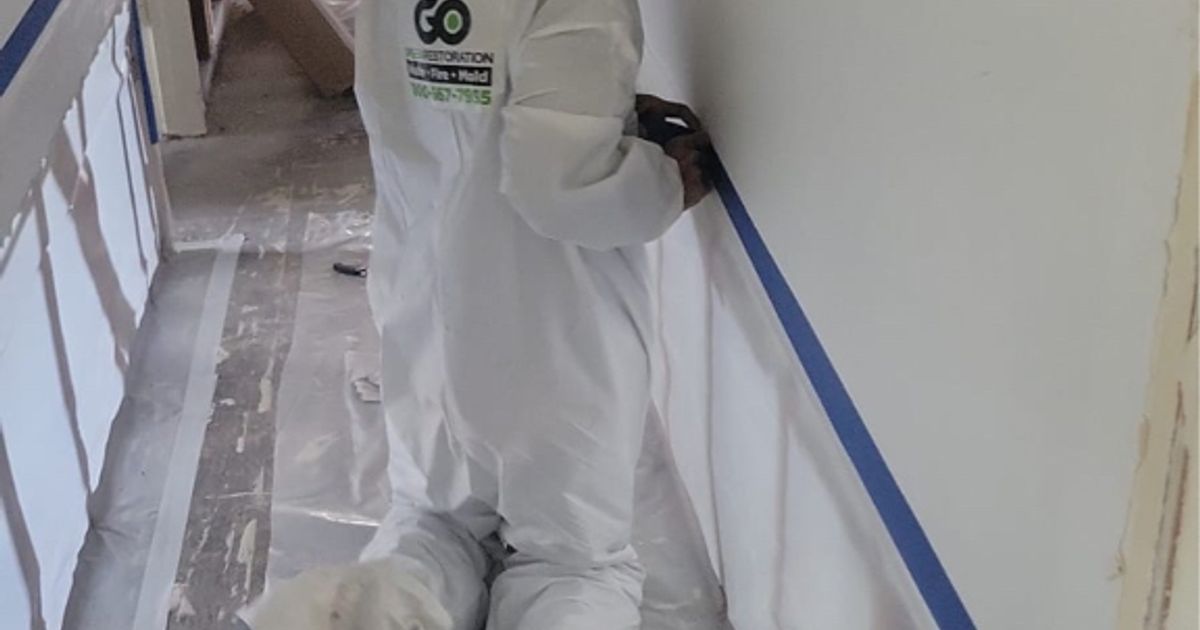
Learn about seasonal water damage risks in West Puente Valley, CA. From rainy season prep to HVAC issues, protect your San Gabriel Valley home year-round.
West Puente Valley's location in the San Gabriel Valley creates unique water damage challenges that shift dramatically with each season. The area's aging infrastructure, much of it built during the 1960s housing boom, combined with extreme temperature swings between scorching summers and wet winters, puts the community's 25,000 residents at varying risk throughout the year.
Homeowners in the 91746 ZIP code face different threats depending on the season, from winter storm flooding near Valle Lindo Park to summer HVAC condensation issues in older homes. Understanding these seasonal patterns helps West Puente Valley residents stay ahead of potential water damage. Professional water damage restoration in West Puente Valley becomes necessary when prevention measures fail, but proper preparation significantly reduces these risks.
The proximity to neighboring cities like La Puente and Baldwin Park means weather patterns affect the entire region similarly, but West Puente Valley's specific topography and housing stock create distinct vulnerabilities that require targeted preparation strategies.
Winter and Early Spring: Storm Season Preparation
West Puente Valley's rainy season typically runs from December through March, bringing the year's highest water damage risks. The San Gabriel Valley's geography channels storm water through the area, and aging storm drains from the 1960s development era often struggle with heavy rainfall events. Homes near Valle Lindo Park and lower-lying areas of the community face particular flooding concerns during atmospheric river events.
Before winter storms arrive, West Puente Valley homeowners should clean gutters and downspouts, paying special attention to properties with mature trees that shed substantial debris. The area's older homes often have original guttering systems that may have shifted or developed gaps over decades. Check that downspouts direct water at least six feet away from foundations, which is especially important given the clay-heavy soil composition common throughout the San Gabriel Valley.
Inspect your roof for loose or missing tiles, as West Puente Valley's predominantly tile-roof homes from the 1960s and 1970s can develop leaks during wind-driven rain events. Seal any cracks around windows and doors, and ensure exterior caulking remains intact. Properties backing up to the industrial areas near the City of Industry may experience additional runoff during heavy rains, making proper drainage even more important.
Summer Heat: HVAC and Plumbing Stress
West Puente Valley's brutal summer temperatures, often exceeding 100°F, create water damage risks that many homeowners overlook. The extreme heat puts enormous strain on aging HVAC systems in the area's older homes, leading to condensation problems and potential water damage around air conditioning units and ductwork.
Condensate drain lines frequently clog during peak summer months, causing water to back up into homes. This problem particularly affects West Puente Valley's ranch-style homes with original HVAC installations, where drain lines may have developed blockages over decades of use. Check condensate drains monthly during summer, and ensure proper drainage away from your home's foundation.
The temperature differential between scorching outdoor heat and air-conditioned indoor spaces creates condensation on windows, walls, and in attics. Homes without adequate insulation - common in 1960s construction - may experience moisture buildup that leads to mold growth. Monitor humidity levels and ensure proper ventilation, especially in bathrooms and kitchens where moisture naturally accumulates.
Summer also brings increased water pressure issues as the municipal system works harder to meet demand across West Puente Valley and neighboring communities. Older homes may experience pipe stress that doesn't manifest as obvious leaks until temperatures cool, making summer an ideal time for plumbing inspections.
Fall Transition: Maintenance and System Checks
Fall represents the ideal preparation window for West Puente Valley homeowners, as temperatures moderate and winter storm season approaches. This season offers the perfect opportunity to address issues discovered during summer's extreme heat and prepare for winter's potential flooding.
Inspect and service your home's heating system, as many West Puente Valley properties rely on older furnaces that may have developed leaks or condensation issues during months of disuse. The area's significant temperature swings between day and night during fall can stress aging HVAC components, potentially leading to water damage from malfunctioning units.
Check your water heater, particularly important given that many West Puente Valley homes still have original or older units installed during major housing developments. Temperature fluctuations can accelerate deterioration of water heater tanks, and early fall provides time to address issues before winter demand increases.
Fall also brings the year's first significant rainfall, offering a real-world test of your home's water management systems. Walk your property during the first few storms to identify drainage problems, foundation pooling, or roof leaks that developed during summer's heat expansion and contraction cycles.
Spring Recovery: Post-Storm Assessment and Preparation
Spring in West Puente Valley brings both relief from winter storms and new challenges as temperatures begin rising toward summer extremes. This season requires careful assessment of any winter damage and preparation for the coming heat.
Conduct a thorough inspection of your home's exterior, looking for winter storm damage that may not have been immediately apparent. Check for loose roof tiles, damaged guttering, and foundation settling that could create water intrusion points. The San Gabriel Valley's soil composition can shift during wet winters, potentially affecting foundation integrity and creating new vulnerability points.
Spring represents the optimal time for major maintenance projects in West Puente Valley, as temperatures remain moderate and contractors' schedules are typically more flexible than during peak summer or storm season. Address any water damage discovered during winter months before heat stress compounds the problems.
Test all plumbing fixtures and check for leaks that may have developed during winter's temperature fluctuations. Go Green Restoration Inc, familiar with West Puente Valley's specific housing challenges and seasonal patterns, often sees spring service calls related to winter damage that homeowners initially overlooked.
Prepare your HVAC system for another summer of extreme temperatures by cleaning units, replacing filters, and ensuring proper drainage. Spring preparation prevents many of the condensation and system failure issues that plague West Puente Valley homes during peak summer heat.
For more information, visit our water damage resources.
Need Professional Help?
Go Green Restoration provides 24/7 emergency services throughout Los Angeles and Ventura Counties. Licensed (#1005708), bonded, and insured.