Water Damage Emergency Guide for Claremont Residents
Essential water damage emergency response guide for Claremont homeowners. Learn immediate safety steps, what to do before help arrives, and common mistakes to avoid.
Water emergencies strike Claremont homes without warning, whether from burst pipes in historic properties near the Colleges or flooding from unexpected storms rolling down from the San Gabriel Mountains. The foothill location that makes our city so desirable also creates unique challenges when water damage occurs, particularly in neighborhoods like Indian Hill where mature trees and aging infrastructure can compound problems.
Claremont's tree-lined streets and older homes require immediate, informed action when water damage strikes. Professional water damage restoration in Claremont becomes essential, but your first response in those critical minutes can make the difference between minor repairs and major reconstruction.
Immediate Safety Assessment and Actions
Before addressing water damage in your Claremont home, prioritize safety above property concerns. In Padua Hills and other hillside neighborhoods, check for structural damage that storms or pipe bursts might have caused to foundations or retaining walls. Turn off electricity at the main breaker if water has reached electrical outlets, switches, or appliances - this is particularly important in older homes near Claremont Village where electrical systems may not meet current safety standards.
Locate and shut off your main water supply, typically found near the street or where the water line enters your home. In many Claremont properties, especially those built in the mid-20th century, these shutoffs can be difficult to operate due to age and mineral buildup from our hard water. Keep a water meter key or adjustable wrench accessible for emergencies.
Document everything immediately with photos and videos, capturing water levels, damaged items, and the source of water intrusion. This documentation proves invaluable for insurance claims and helps restoration professionals assess the situation quickly when they arrive.
Protecting Your Property While Awaiting Help
Remove standing water using buckets, mops, or a wet vacuum if it's safe to use electrical equipment. Focus first on areas where water might spread to undamaged sections of your home. In Claremont's older neighborhoods, hardwood floors common in historic properties can warp quickly, so prioritize removing water from these surfaces.
Move furniture and belongings to dry areas or elevate them on blocks if possible. Pay special attention to family heirlooms, books, and documents - items particularly valued in our college town community. Remove area rugs and lift carpet edges to promote air circulation underneath.
Open windows and doors to increase ventilation, taking advantage of Claremont's typically dry climate to help with evaporation. However, monitor weather conditions carefully, as our foothill location can bring sudden changes. If humidity is high or rain threatens, focus on mechanical drying methods instead.
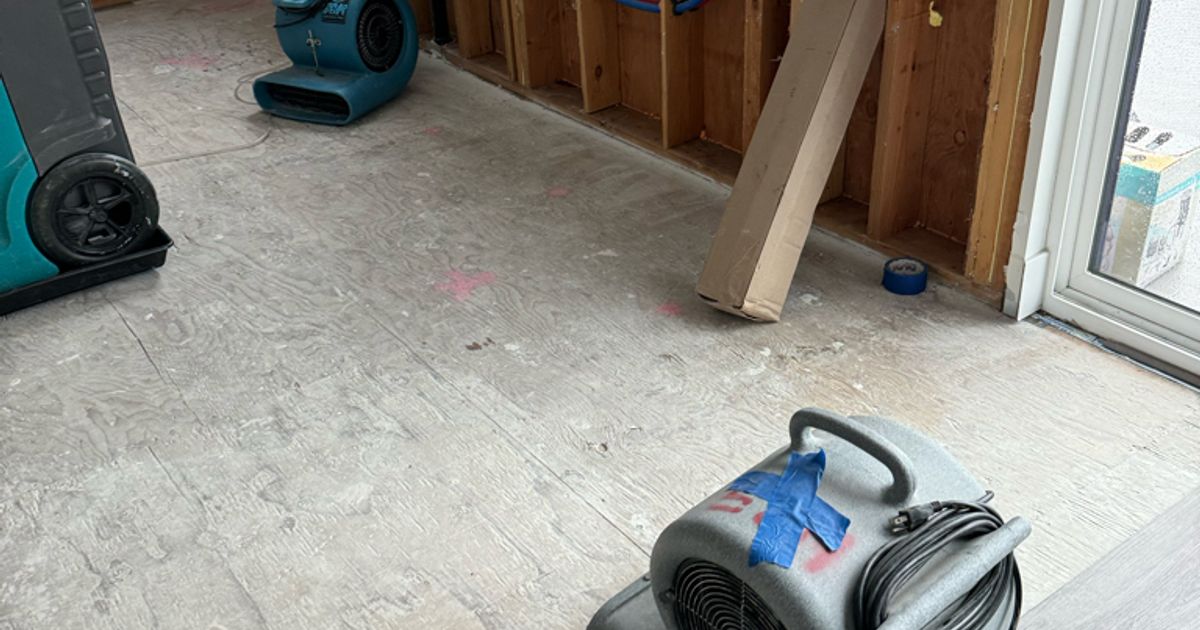
Place fans strategically to promote air movement across wet surfaces. Claremont's warm, dry summers make this particularly effective, but during cooler months or high humidity periods, dehumidifiers become more important for preventing mold growth.
Understanding Claremont-Specific Water Damage Risks
Claremont's location presents unique water damage scenarios that homeowners should recognize. Properties in Indian Hill and other northern neighborhoods face increased risk during wildfire season, not just from fires but from damaged water lines and compromised home systems that can fail afterward. The San Gabriel Mountains can channel storm water rapidly through our area, overwhelming drainage systems and causing unexpected flooding.
Root intrusion from our beautiful mature trees frequently affects sewer lines in established neighborhoods, leading to backups that can cause significant water damage. This is especially common in areas near the Claremont Colleges where large oak and sycamore trees have had decades to establish extensive root systems.
Many historic homes in central Claremont feature original plumbing systems that may not handle modern water pressure or usage patterns. These systems can fail suddenly, often in walls or under floors where damage goes unnoticed until it becomes extensive.
Critical Mistakes That Worsen Water Damage
Delaying action is the most costly mistake Claremont homeowners make during water emergencies. Our dry climate can create a false sense of security, leading people to believe water will simply evaporate. However, water trapped in walls, under flooring, or in insulation creates perfect conditions for mold growth, which can begin within 24-48 hours.
Using regular household fans instead of proper air movers represents another common error. While any air movement helps, the specific airflow patterns created by professional equipment make a significant difference in drying times and preventing secondary damage.
Attempting to save money by handling cleanup yourself often backfires in Claremont's older homes, where water can travel through wall cavities and affect areas far from the obvious damage. What appears to be minor surface water may have penetrated deep into the structure, requiring specialized equipment to detect and address.
Ignoring the need for antimicrobial treatment is particularly problematic in our area, where dust from the mountains and organic matter from abundant landscaping can combine with moisture to accelerate mold and bacteria growth.
Working with Professional Restoration Services
Go Green Restoration brings specialized knowledge of Claremont's unique housing stock and environmental conditions to every water damage situation. Their experience with everything from historic preservation requirements near the Colleges to modern homes in newer developments ensures appropriate restoration techniques for your specific property.
When professionals arrive, provide them with your documentation and explain any unique features of your home, such as radiant floor heating, vintage hardwood, or custom millwork that requires special handling. Be prepared to discuss your home's age, any previous water issues, and recent renovations that might affect restoration approaches.
Understand that proper water damage restoration in Claremont often takes longer than homeowners expect, particularly when dealing with older construction methods or when preserving historic character is important. Rushing the process to save time usually results in callbacks for mold issues or structural problems that could have been prevented with thorough initial treatment.
Maintain detailed records throughout the restoration process, including daily progress photos and communications with your insurance company. Claremont's tight-knit community means word travels quickly about contractors and restoration companies, so working with established, reputable professionals protects both your home and your reputation in the community.
For more information, visit our water damage resources.
Need Professional Help?
Go Green Restoration provides 24/7 emergency services throughout Los Angeles and Ventura Counties. Licensed (#1005708), bonded, and insured.