Water Damage Emergency Guide: What Culver City Homeowners Need to Know
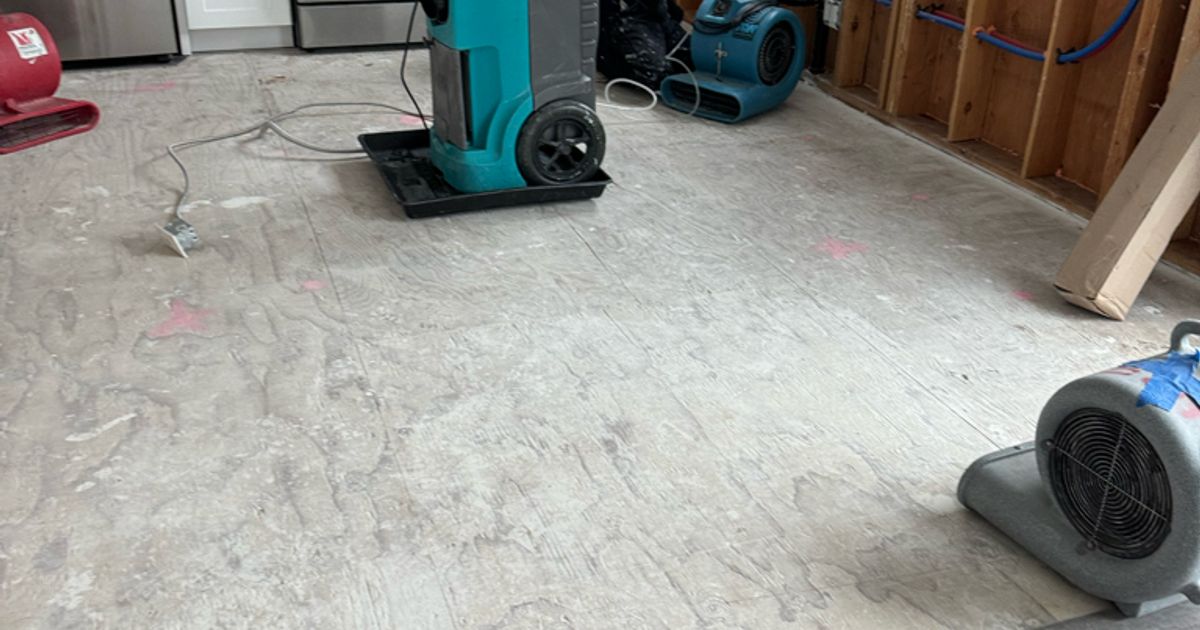
Essential emergency response guide for Culver City water damage. Learn immediate steps, safety tips, and what to do before professionals arrive.
Water damage emergencies strike Culver City homes without warning, often during the city's intense winter rainstorms or when aging pipes in historic neighborhoods like Blair Hills suddenly burst. Whether you're dealing with flooding near Ballona Creek or a plumbing failure in your Fox Hills condo, knowing how to respond in the first few hours can mean the difference between minor repairs and extensive structural damage.
Culver City's unique geography and housing mix create specific challenges for homeowners. Properties in lower-lying areas near the creek system face seasonal flooding risks, while the city's blend of 1920s bungalows and modern developments means plumbing systems of vastly different ages and materials. Understanding your neighborhood's specific vulnerabilities helps you respond more effectively when water damage occurs. For comprehensive assistance with water damage restoration in Culver City, professional help is available 24/7.
Immediate Safety Assessment and First Steps
Before entering any water-damaged area in your Culver City home, assess the electrical situation. Many properties in Downtown Culver City and Carlson Park have electrical panels in basements or lower levels that may be compromised. Turn off electricity at the main breaker if you can do so safely from a dry location. Never enter standing water if electrical outlets, appliances, or wiring might be submerged.
Document the damage immediately with photos and videos, focusing on water sources, affected areas, and damaged belongings. Culver City's proximity to Sony Pictures Studios and other entertainment facilities means many residents have valuable electronics and equipment that require special documentation for insurance claims. Take pictures from multiple angles and include timestamps when possible.
Contact your insurance company as soon as safety permits. Many Culver City residents carry earthquake insurance due to local seismic activity, but standard policies may have specific requirements for water damage claims. Report the incident promptly, as some policies require notification within 24-48 hours.
Water Source Identification and Containment
Identifying the water source determines your next steps and potential health risks. In Culver City's Sunkist Park area, where homes often have older galvanized pipes, sudden bursts from supply lines create clean water damage that's less hazardous than sewage backups. However, properties near Ballona Creek may experience contaminated floodwater during heavy rains, requiring different safety precautions.
If the source is a burst pipe or appliance leak, locate and shut off the water supply immediately. Many Culver City homes built in the mid-century boom have main shutoffs near the street or in utility areas. Familiarize yourself with your shutoff location before emergencies occur. For supply line breaks, this single action can prevent thousands of gallons from entering your home.
Roof leaks common in Blair Hills' older homes require immediate containment with tarps or buckets. Position containers to catch dripping water and move them regularly to prevent overflow. Place towels around collection areas to protect flooring, especially important for the hardwood floors found in many of the area's historic properties.
Protecting Your Property Before Professional Help Arrives
Remove standing water using pumps, wet vacuums, or buckets, starting with the deepest areas first. Culver City's flat terrain means water doesn't naturally drain away from many properties, making active removal essential. Focus on areas where water might seep into walls or under flooring, particularly in homes near the Arts District where concrete slab foundations are common.
Move furniture and belongings to dry areas or elevate them above water levels. Many Culver City residents have valuable art, electronics, or entertainment industry equipment that requires immediate attention. Remove cushions from upholstered furniture and separate wooden furniture legs from wet carpeting using blocks or foil.
Increase air circulation throughout affected areas by opening windows (weather permitting) and running fans. Culver City's Mediterranean climate helps with natural drying, but indoor humidity can still promote mold growth within 24-48 hours. Position fans to blow air across wet surfaces rather than directly at them, which can drive moisture deeper into materials.
Common Mistakes That Worsen Damage
Many Fox Hills residents make the mistake of using regular household vacuums on standing water, creating serious electrical hazards and equipment damage. Only use wet/dry vacuums specifically designed for water extraction, and ensure they're plugged into outlets in unaffected areas of your home.
Delaying professional assessment often proves costly for Culver City homeowners. The city's older housing stock in neighborhoods like Carlson Park may have hidden moisture damage in wall cavities or subfloor areas that only trained professionals can detect. What appears to be minor surface water may indicate extensive hidden damage requiring immediate attention.
Attempting to dry water-damaged drywall or insulation yourself rarely succeeds in Culver City's climate conditions. These materials typically require professional removal and replacement to prevent mold growth. Go Green Restoration, a local restoration company serving Los Angeles County, emphasizes that proper drying requires industrial equipment and expertise to ensure complete moisture removal.
Using bleach or household cleaners on water-damaged areas before professional assessment can interfere with restoration processes and potentially create harmful chemical reactions. Professional restoration companies use specific cleaning protocols based on water contamination levels and affected materials.
## Related Articles
Learn more about restoration services in Culver City:
Maintain detailed records of all emergency actions taken, including photos of your mitigation efforts. Culver City's high property values mean insurance claims often involve significant amounts, making thorough documentation essential. Keep receipts for emergency supplies, temporary repairs, and any professional services you engage immediately.
Understand your policy's requirements for emergency repairs versus permanent restoration. Many Culver City homeowners can perform immediate mitigation like water removal and basic drying, but structural repairs typically require pre-approval from insurance carriers. Contact your agent to clarify what emergency actions you can take without jeopardizing coverage.
Schedule professional assessment as quickly as possible, even if initial damage seems minor. Culver City's mix of construction types and ages means water can travel in unexpected ways through your home's structure. Professional moisture detection equipment reveals hidden damage that might not become apparent until mold growth or structural problems develop weeks later.
Need Professional Help?
Go Green Restoration provides 24/7 emergency services throughout Los Angeles and Ventura Counties. Licensed (#1005708), bonded, and insured.