Water Damage Emergency Guide for Hawthorne Residents
Essential emergency steps for Hawthorne homeowners facing water damage. Learn immediate response actions, safety tips, and common mistakes to avoid.
Water emergencies strike Hawthorne homes without warning, particularly in neighborhoods like Holly Glen and North Hawthorne where post-war housing features aging infrastructure. The city's flat terrain and proximity to the coast create unique challenges when pipes burst or storms overwhelm drainage systems. Knowing how to respond in the first few hours can mean the difference between minor repairs and extensive structural damage.
Hawthorne's older housing stock, concentrated in the 90250 and 90251 ZIP codes, makes water damage incidents especially concerning. These homes often have galvanized pipes installed in the 1940s and 1950s that are now reaching the end of their lifespan. When you're dealing with a water emergency, professional water damage restoration in Hawthorne becomes essential, but your immediate actions determine how much damage occurs before help arrives.
Immediate Safety Assessment and Power Shutoff
Your first priority involves personal safety, especially in Hawthorne's older homes where electrical systems may not meet current codes. Before entering any flooded area, locate your main electrical panel and shut off power to affected areas. Many Hawthorne homes near the SpaceX Headquarters area have electrical panels in garages or basements that could be compromised by water.
Never walk through standing water if electrical outlets, appliances, or fixtures are submerged. The marine layer moisture that regularly affects Hawthorne creates additional conductivity risks. If you smell gas or suspect a gas leak alongside water damage, evacuate immediately and call utilities from outside your home. The combination of water and gas poses serious explosion risks in the older homes common throughout the Wiseburn area.
Check for structural damage by looking for sagging ceilings, warped floors, or cracked walls. Hawthorne's post-war construction often features plaster walls that become unstable when saturated. If you notice any structural concerns, evacuate and wait for professional assessment.
Water Source Identification and Shutoff
Locating and stopping the water source prevents additional damage while you wait for restoration professionals. In Hawthorne homes, common sources include burst supply lines, failed water heaters, and overwhelmed drainage systems during the rainy season. The city's flat topography means surface water can back up into homes through floor drains and basement windows.
For supply line breaks, locate your main water shutoff valve, typically found near the street or where the water line enters your home. Many Hawthorne properties have shutoff valves that haven't been operated in years, so they may require significant force or a water meter key. If you live in the Holly Glen neighborhood or other areas with older infrastructure, consider having your shutoff valve inspected and serviced annually.
Sewer backups present a different challenge, particularly in areas near Hawthorne Memorial Center where older sewer lines serve multiple properties. Never attempt to clear main sewer blockages yourself, as this creates health hazards and can worsen the backup. Instead, contact the city's public works department to determine if the issue stems from municipal lines.
Documentation and Damage Assessment
Once safety is secured and water flow stopped, begin documenting the damage for insurance purposes. Take photographs and videos of all affected areas, including water levels, damaged belongings, and structural impacts. Hawthorne's older homes often have hardwood floors and original fixtures that require special documentation for insurance claims.
Create a written inventory of damaged items, noting purchase dates and estimated values. Many Hawthorne residents underestimate the value of belongings stored in garages and basements, areas particularly vulnerable to water damage in the city's flat terrain. Include serial numbers for electronics and appliances when possible.
Measure water depth and affected square footage in each room. Insurance adjusters familiar with Hawthorne properties understand the unique challenges posed by the area's construction styles and will need accurate measurements to process claims effectively. Document any previous water damage or repairs, as this information affects coverage decisions.
Water Removal and Initial Drying
Begin removing standing water using pumps, wet vacuums, or buckets, starting with the deepest areas first. Hawthorne's humid coastal climate means water evaporates slowly, creating ideal conditions for mold growth within 24-48 hours. Focus on areas with porous materials like carpet, drywall, and insulation that absorb water quickly.
Move furniture and belongings to dry areas, elevating items on blocks or moving them to upper floors if possible. Many Hawthorne homes feature hardwood floors that can be saved if dried quickly, but prolonged exposure causes permanent cupping and warping. Remove wet carpeting and padding immediately, as these materials rarely survive water damage and can harbor bacteria.
Open windows and doors to promote air circulation, but be mindful of Hawthorne's marine layer humidity that can slow drying. Use fans and dehumidifiers if power is safely restored, positioning them to create cross-ventilation. The persistent moisture from the nearby coast means mechanical drying is often more effective than relying on natural evaporation.
## Related Articles
Learn more about restoration services in Hawthorne:
- How Hawthorne's Urban Environment Affects Water Damage Risk
- Seasonal Water Damage Risks in Hawthorne and How to Prepare
Many Hawthorne homeowners delay calling professionals, thinking they can handle water damage themselves. This proves costly in the city's humid climate where mold develops rapidly. Professional water damage restoration companies like Go Green Restoration understand the specific challenges posed by Hawthorne's older housing stock and coastal moisture conditions.
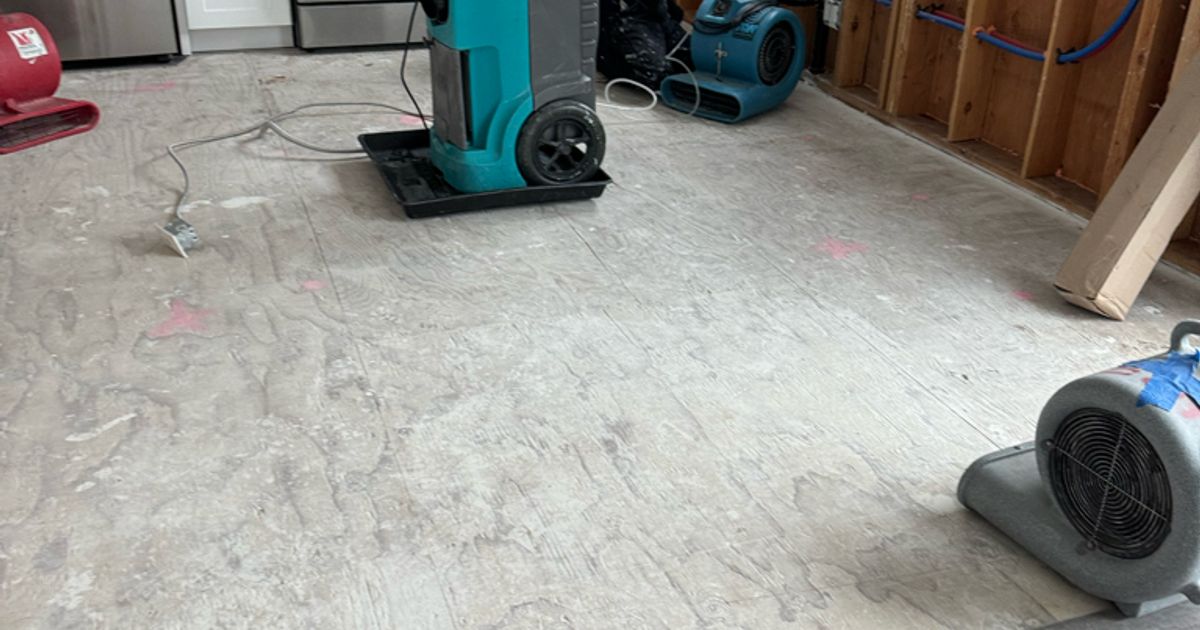
Using regular household fans instead of commercial air movers represents another common error. Hawthorne's marine layer creates persistent humidity that overwhelms standard fans, requiring specialized equipment to achieve proper drying. Similarly, homeowners often overlook hidden moisture in wall cavities and under flooring, leading to mold problems weeks later.
Delaying insurance claims or failing to document damage properly causes significant financial losses. Many Hawthorne residents don't realize their policies require immediate notification of water damage. Contact your insurance company within hours of discovering damage, even if restoration work hasn't begun.
Ignoring potential contamination from sewer backups or flood water poses serious health risks. Water damage in Hawthorne often involves contaminated sources due to the area's aging infrastructure and poor surface drainage. Never treat contaminated water damage as a simple cleanup job – professional remediation ensures proper sanitization and safety.
Understanding these emergency steps helps Hawthorne homeowners minimize water damage while waiting for professional restoration services. Quick, informed action protects both your property and your family's health in the critical hours following a water emergency.
Need Professional Help?
Go Green Restoration provides 24/7 emergency services throughout Los Angeles and Ventura Counties. Licensed (#1005708), bonded, and insured.