Water Damage Emergency Response Guide for Walnut Homeowners
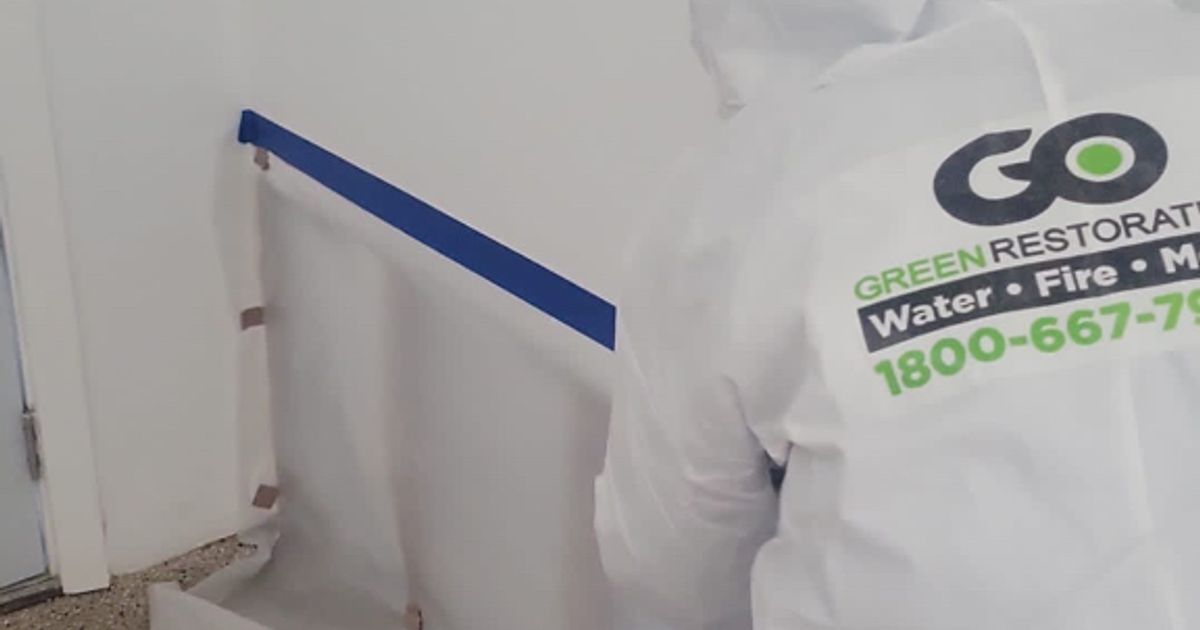
Essential water damage emergency steps for Walnut, CA homeowners. Learn immediate response actions, safety tips, and common mistakes to avoid.
Water emergencies in Walnut can escalate quickly, especially for homeowners in the South Hills Country Club area where sloped properties face unique drainage challenges. The city's hilly terrain means water doesn't just pool—it flows, often carrying debris and creating pressure against foundation walls. Properties along the hillsides near Mt. San Antonio College frequently experience water intrusion during heavy rainfall, making rapid response essential for minimizing damage.
Walnut's inland location and aging housing stock, particularly homes built during the 1970s and 1980s development boom, create specific vulnerabilities. Many residents in the Walnut Valley neighborhood discover that their original plumbing systems and roofing materials weren't designed to handle today's extreme weather patterns. When water damage strikes, knowing the proper emergency response can mean the difference between a manageable repair and extensive structural damage requiring professional water damage restoration in Walnut.
Immediate Safety Assessment and Actions
Before addressing water damage in your Walnut home, prioritize safety over property protection. Turn off electricity at the main breaker if water has reached electrical outlets, especially in split-level homes common throughout the 91788 and 91789 zip codes where lower levels are most vulnerable. The combination of Walnut's clay soil and hillside construction means water can accumulate quickly in basements and ground-floor areas.
Check for structural damage by looking for sagging ceilings, warped walls, or unusual sounds. Properties built on Walnut's slopes are particularly susceptible to foundation shifting when water saturates the surrounding soil. If you notice any structural concerns, evacuate the affected area immediately. Document the damage with photos from multiple angles, but avoid walking through standing water or areas where ceiling damage is visible.
Contact your insurance company as soon as safely possible. Walnut homeowners should be aware that standard policies may not cover flood damage from external sources, but they typically cover sudden internal water damage from burst pipes or appliance failures. The distinction matters significantly for properties near Suzanne Park or other areas where seasonal flooding can occur.
Water Source Identification and Shutoff Procedures
Locating and stopping the water source prevents additional damage while you wait for professional help. In Walnut's older homes, main water shutoffs are typically located near the street or where the main line enters the house. Properties in the hillside areas often have shutoffs positioned on the uphill side to accommodate the sloped terrain.
For burst pipes, which are increasingly common in Walnut's aging plumbing systems, shut off water at the fixture level first, then at the main line. Hot water heater failures, frequent in homes with original 1970s-80s equipment, require shutting off both water supply and gas or electrical connections. The city's hard water conditions, common throughout the San Gabriel Valley, accelerate appliance deterioration and increase the likelihood of sudden failures.
Roof leaks present unique challenges for Walnut homeowners due to the area's clay tile roofing and seasonal weather patterns. Place containers to catch dripping water, but avoid climbing on wet roofs. Many properties near Mt. San Antonio College have experienced tile displacement during windstorms, creating entry points for water during subsequent rains.
Initial Water Removal and Property Protection
Begin water removal immediately using whatever tools are available—mops, towels, buckets, or wet vacuums designed for water extraction. Focus on preventing water from spreading to unaffected areas, particularly important in Walnut's open-concept homes where water can quickly reach multiple rooms. Remove furniture and belongings from affected areas, prioritizing items that can be saved if dried quickly.
Walnut's dry climate works in your favor for initial drying efforts. Open windows and doors to promote air circulation, and use fans to accelerate evaporation. However, be cautious during summer months when temperatures regularly exceed 90 degrees—excessive heat can cause rapid warping of hardwood floors common in the area's custom homes.
Remove wet carpeting and padding when possible, as Walnut's clay soil creates high humidity conditions that promote mold growth within 24-48 hours. Properties in the South Hills area should pay particular attention to lower-level carpeting, as moisture can wick up from concrete slabs built on expansive clay soil.
Professional Response Coordination
While waiting for restoration professionals, continue documenting damage and maintain detailed records of all emergency actions taken. Go Green Restoration, familiar with Walnut's unique geographical challenges and housing characteristics, recommends homeowners prepare a detailed timeline of events and damage discovery for insurance and restoration purposes.
Clear access routes for professional equipment, particularly important for hillside properties where standard restoration trucks may have difficulty navigating steep driveways. Many Walnut homes feature narrow access points that require special equipment positioning. Remove vehicles from driveways and ensure gate codes or keys are available for service teams.
Prepare a list of affected areas, including specific rooms, flooring types, and any structural concerns observed. Walnut's diverse housing stock—from tract homes in Walnut Valley to custom hillside properties—requires different restoration approaches, and detailed information helps professionals prepare appropriate equipment and strategies.
Critical Mistakes That Worsen Damage
Avoid using regular household vacuums on standing water, as this creates serious electrical hazards and equipment damage. Many Walnut homeowners make this dangerous mistake, particularly during their first water emergency experience. Similarly, don't attempt to dry water-damaged drywall with high heat sources, as this can cause cracking and structural weakness.
Never ignore small leaks or moisture spots, especially in Walnut's older homes where minor issues quickly escalate due to aging building materials. Properties built during the area's rapid development period often have hidden moisture pathways that allow small problems to become major damage events.
Resist the urge to move damaged furniture back into affected areas too quickly. Walnut's clay soil retains moisture longer than sandy soils, meaning humidity levels in ground-contact areas remain elevated for extended periods. Premature furniture placement can trap moisture and create permanent damage to both flooring and furniture pieces.
For more information, visit our water damage resources.
Need Professional Help?
Go Green Restoration provides 24/7 emergency services throughout Los Angeles and Ventura Counties. Licensed (#1005708), bonded, and insured.