Water Damage Restoration Timeline: What Covina Homeowners Can Expect
Learn the complete water damage restoration timeline for Covina homes, from emergency response to final repairs. Get realistic timeframes for each phase.
Water damage in Covina homes requires swift action and a systematic approach to prevent long-term structural issues and mold growth. The San Gabriel Valley's hot summers and aging infrastructure in neighborhoods like Charter Oak and South Covina create unique challenges that affect restoration timelines. Understanding what to expect during each phase helps homeowners make informed decisions and set realistic expectations for their property's recovery.
Covina's housing stock, predominantly built in the 1950s and 1960s, often features original polybutylene and galvanized pipes that are particularly susceptible to failure. When these systems fail, or when storm runoff from the nearby San Gabriel Mountains overwhelms older drainage systems, homeowners need professional water damage restoration in Covina to address the damage properly. The restoration timeline varies significantly based on the extent of damage, affected materials, and environmental conditions specific to the area.
Emergency Response and Initial Assessment (Hours 1-24)
The first 24 hours are critical for Covina homeowners dealing with water damage. Professional restoration teams typically arrive within 2-4 hours of initial contact, understanding that the Valley's warm climate can accelerate mold growth and secondary damage. During this phase, technicians conduct a thorough assessment of affected areas, from basements in South Covina homes to upper-level rooms that may have experienced roof leaks during seasonal storms.
The assessment process includes moisture mapping using thermal imaging cameras and moisture meters to identify all affected areas, including hidden damage behind walls and under flooring. In Covina's older homes, this step often reveals damage to original hardwood floors or plaster walls that require specialized attention. Technicians also evaluate the water source - whether it's clean water from a supply line break, gray water from appliances, or black water from sewage backups that sometimes occur when the city's aging infrastructure becomes overwhelmed.
Documentation during this phase includes detailed photographs, moisture readings, and damage assessments needed for insurance claims. Many Covina homeowners find this documentation process takes 3-6 hours, depending on the size of their property and extent of damage. Emergency services like water shutoff and temporary roof tarping are completed immediately to prevent additional damage.
Water Extraction and Removal (Days 1-2)
Water extraction begins immediately after assessment and typically takes 1-2 days for most Covina residential properties. The timeline depends heavily on the volume of water and accessibility of affected areas. Homes in the Covina Downtown area with concrete slab foundations may require longer extraction times if water has seeped under flooring materials or into wall cavities.
Powerful truck-mounted extraction units remove standing water, while specialized equipment handles water trapped in carpets, padding, and porous materials. In Covina's climate, rapid extraction is essential because the combination of residual moisture and warm temperatures creates ideal conditions for microbial growth within 24-48 hours. Technicians pay particular attention to areas around HVAC systems, which often experience condensation issues during the Valley's hot summer months.
Submersible pumps may be necessary for basement flooding, which occasionally affects homes in lower-lying areas near Covina Park during heavy storm events. The extraction phase also includes removal of damaged materials that cannot be salvaged, such as soaked drywall, insulation, and flooring materials. This debris removal process adds 4-8 hours to the timeline, depending on the volume of affected materials.
Drying and Dehumidification (Days 2-7)
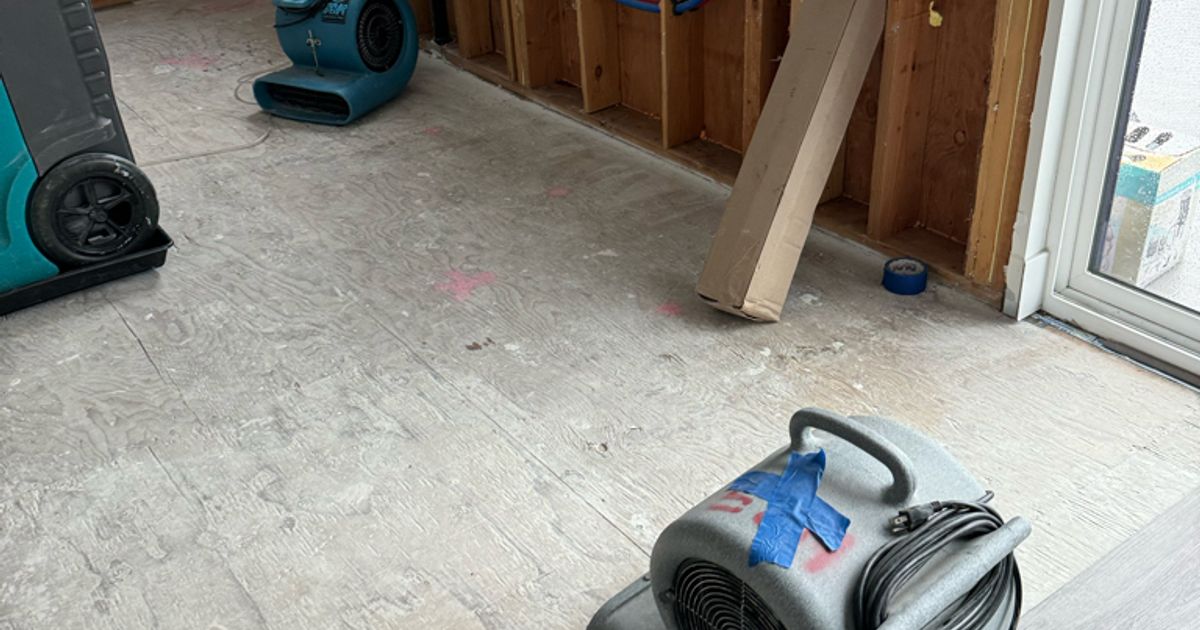
The drying phase represents the longest portion of the restoration timeline for most Covina homes, typically requiring 3-7 days depending on materials affected and environmental conditions. Industrial-grade air movers and dehumidifiers are strategically placed throughout affected areas to create optimal drying conditions. The San Gabriel Valley's naturally low humidity helps accelerate this process compared to more humid regions.
Daily moisture monitoring ensures materials are drying properly and prevents over-drying, which can cause cracking in older plaster walls common in Charter Oak neighborhood homes. Technicians adjust equipment placement and settings based on these readings, maintaining optimal temperature and humidity levels throughout the drying process. Specialized drying techniques may be required for hardwood floors, which are prevalent in many mid-century Covina homes.
Structural drying focuses on building materials like framing lumber, subflooring, and wall cavities. In homes with original galvanized plumbing, technicians often discover additional moisture issues behind walls where old pipes have developed pinhole leaks over time. This discovery can extend the drying timeline by 2-3 additional days but prevents future problems.
Cleaning and Sanitization (Days 5-8)
Cleaning and sanitization typically overlap with the final days of drying and continue for 2-4 additional days. This phase addresses contamination concerns and prepares surfaces for restoration work. Covina's dust and particulate matter from nearby construction and traffic can complicate cleaning efforts, requiring specialized HEPA filtration during the process.
Antimicrobial treatments are applied to all affected surfaces to prevent mold and bacterial growth. Special attention is given to HVAC systems, which in Covina homes often require ductwork cleaning due to contamination from water damage or the introduction of debris during the emergency response phase. Content cleaning for salvageable personal belongings adds time to this phase, particularly for items with sentimental value that homeowners wish to preserve.
Odor removal treatments may be necessary, especially in cases involving gray or black water contamination. The warm Valley climate can intensify odors, making professional deodorization essential for returning homes to pre-loss condition.
## Related Articles
Learn more about restoration services in Covina:
The reconstruction phase timeline varies dramatically based on the extent of damage and complexity of repairs needed. Minor repairs like drywall replacement and painting may take 3-7 days, while major reconstruction involving flooring, cabinetry, or structural elements can extend 2-6 weeks or longer.
In Covina's older homes, reconstruction often reveals opportunities to upgrade aging systems. Many homeowners choose to replace original polybutylene plumbing or upgrade electrical systems during this phase, which extends the timeline but provides long-term benefits. Working with experienced professionals like Go Green Restoration ensures that reconstruction work meets current building codes and incorporates improvements that prevent future water damage issues.
Final inspections and walk-throughs typically occur 1-2 days after completion of all work. This includes testing of any new plumbing or electrical work, verification of proper moisture levels throughout the structure, and confirmation that all cosmetic repairs meet the homeowner's expectations. The entire process, from initial water damage to final completion, typically ranges from 2-8 weeks for most Covina residential properties, with the timeline heavily dependent on the scope of damage and any additional improvements incorporated during reconstruction.
Need Professional Help?
Go Green Restoration provides 24/7 emergency services throughout Los Angeles and Ventura Counties. Licensed (#1005708), bonded, and insured.