Water Damage Restoration Timeline: What Fillmore Homeowners Can Expect
Learn the complete water damage restoration timeline for Fillmore homes, from initial assessment to final repairs, with realistic timeframes for each phase.
Fillmore's location in the Santa Clara River Valley makes water damage a real concern for homeowners, especially during heavy winter storms when the river can overflow its banks. Whether you're dealing with flood damage in Heritage Valley or a burst pipe in one of Downtown Fillmore's older homes, understanding the restoration timeline helps you plan and reduces stress during an already difficult situation.
The restoration process varies significantly depending on the source and extent of damage. A small leak from aging plumbing common in Fillmore's older neighborhoods might take 3-5 days to address, while major flooding from Santa Clara River overflow could require several weeks of intensive work. Professional water damage restoration in Fillmore follows a structured approach that prioritizes safety, prevents secondary damage, and returns your home to its pre-loss condition.
Emergency Response and Initial Assessment (Day 1)
The first 24-48 hours after water damage occurs are critical for Fillmore homeowners. During this emergency response phase, restoration professionals arrive to assess the situation and begin immediate mitigation efforts. In Fillmore's hot inland valley climate, standing water can quickly become a breeding ground for mold and bacteria, making rapid response essential.
The initial assessment involves identifying the water source, determining the category of water damage, and measuring affected areas. Homes near the Fillmore Fish Hatchery area might face different challenges than those in El Dorado Mobile Home Park, as soil composition and drainage patterns vary across the valley floor. Professionals use moisture meters and infrared cameras to detect hidden water in walls and subfloors, which is particularly important in Fillmore's older construction where water can travel through aging lumber and settle in unexpected areas.
During this phase, restoration teams also document damage for insurance purposes and develop a comprehensive restoration plan. The timeline established during initial assessment depends heavily on factors like the size of your home, the extent of water penetration, and whether structural elements like drywall or flooring require replacement.
Water Extraction and Removal (Days 1-2)
Once the assessment is complete, water extraction begins immediately. This phase typically takes 1-2 days for most Fillmore homes, though extensive flooding from Santa Clara River events might require longer extraction periods. Powerful truck-mounted extractors remove standing water, while specialized equipment handles water trapped in carpets, padding, and porous materials.
Fillmore's agricultural setting means many homes have unique challenges during extraction. Properties with well water systems might face complications if electrical components are damaged, while homes with septic systems require careful attention to prevent contamination issues. The valley's clay-heavy soil can also complicate drainage around foundations, potentially extending extraction time as water continues seeping into basements or crawl spaces.
Restoration professionals prioritize removing water from living areas first, then address basements, attics, and storage areas. During summer months, Fillmore's extreme valley heat can actually accelerate evaporation, but it also increases the urgency of extraction before humidity levels spike and create ideal conditions for mold growth.
Drying and Dehumidification (Days 2-7)
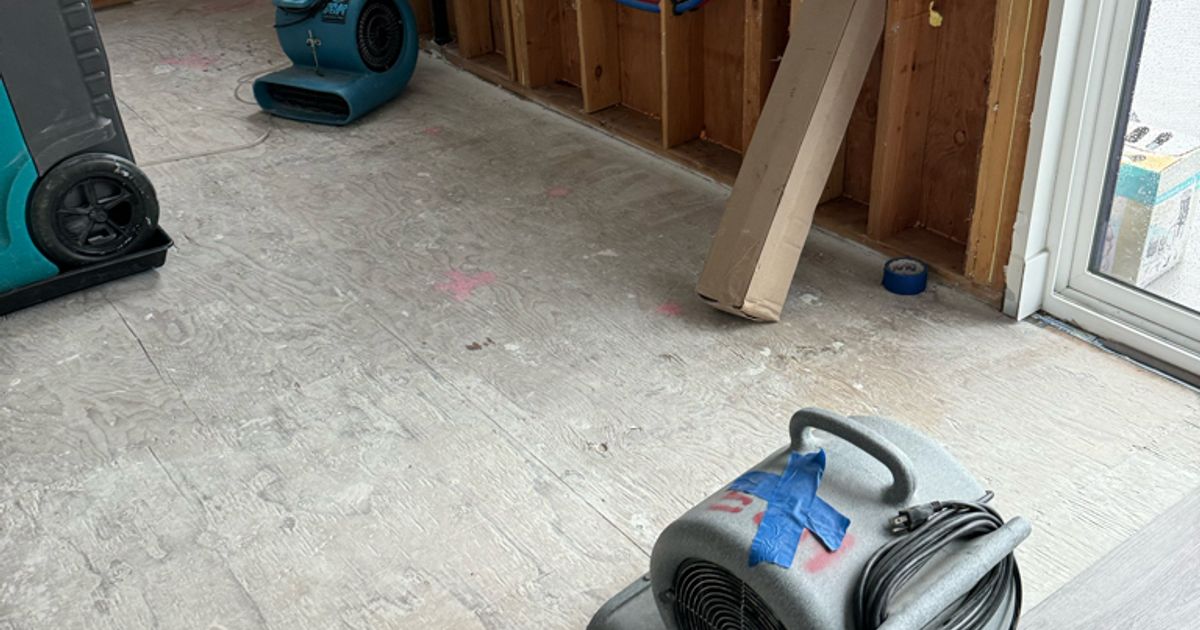
The drying phase represents the longest portion of most restoration projects in Fillmore, typically lasting 3-7 days depending on the extent of water damage and local weather conditions. Industrial-grade dehumidifiers and air movers work continuously to remove moisture from building materials and create proper airflow throughout affected areas.
Fillmore's valley location creates unique drying challenges. During winter months when flooding is most likely, cool temperatures and higher humidity can extend drying times. Conversely, summer heat waves common in the inland valley can stress drying equipment and require additional units to maintain proper conditions. Homes in Heritage Valley with better elevation and drainage typically dry faster than those in lower-lying areas near downtown.
Professional restoration teams monitor moisture levels twice daily using specialized meters, adjusting equipment placement and settings as needed. Go Green Restoration Inc understands Fillmore's specific climate challenges and adjusts drying protocols accordingly, ensuring thorough moisture removal while minimizing energy consumption and disruption to your daily routine.
Structural materials like hardwood floors, drywall, and insulation each have different drying requirements. Fillmore's older homes often feature solid wood construction that holds moisture longer than modern materials, potentially extending the drying phase by several days.
Cleaning and Sanitization (Days 3-8)
Cleaning and sanitization occur alongside the drying process, typically beginning on day 3 and continuing through day 8 of restoration. This phase addresses contamination concerns and prepares surfaces for repairs. The scope of cleaning depends heavily on the category of water involved – clean water from supply lines requires basic cleaning, while floodwater from Santa Clara River overflow demands extensive sanitization.
Fillmore's agricultural environment means homes often face additional contamination risks during flood events. Runoff from nearby farms can introduce pesticides, fertilizers, and organic matter that require specialized cleaning protocols. Properties near the Fillmore & Western Railway might also encounter industrial contaminants during major flooding events.
Cleaning includes treating all affected surfaces with antimicrobial solutions, cleaning and disinfecting personal belongings, and addressing any odor issues. Fillmore's small-town atmosphere means many homes contain family heirlooms and irreplaceable items that require careful restoration rather than replacement.
Repairs and Reconstruction (Days 5-21+)
The final phase involves repairing and reconstructing damaged areas, with timelines varying dramatically based on the extent of damage. Minor repairs like replacing drywall sections might take 3-5 days, while major reconstruction following severe flooding could extend several weeks or months.
Fillmore's building characteristics influence repair timelines significantly. Many downtown homes feature original hardwood floors, plaster walls, and custom millwork that require specialized restoration techniques. Finding matching materials for older homes can add time to the process, particularly for properties with historical significance near landmarks like the Fillmore & Western Railway station.
Weather conditions also impact repair schedules. Fillmore's dry summers provide ideal conditions for exterior work and paint drying, while winter rains can delay roofing repairs or exterior painting. The valley's temperature extremes require careful timing for certain materials and finishes.
Reconstruction typically follows this sequence: structural repairs first, followed by electrical and plumbing work, then flooring, walls, and finally finish work like painting and trim installation. Most Fillmore homeowners can expect to return to normal living conditions within 2-3 weeks for moderate damage, though extensive reconstruction projects may require temporary relocation.
Throughout the entire restoration process, maintaining open communication with your restoration team ensures realistic expectations and helps address any concerns specific to your Fillmore property's unique characteristics and challenges.
For more information, visit our water damage resources.
Need Professional Help?
Go Green Restoration provides 24/7 emergency services throughout Los Angeles and Ventura Counties. Licensed (#1005708), bonded, and insured.