Water Damage Restoration Timeline: What Lynwood Homeowners Can Expect
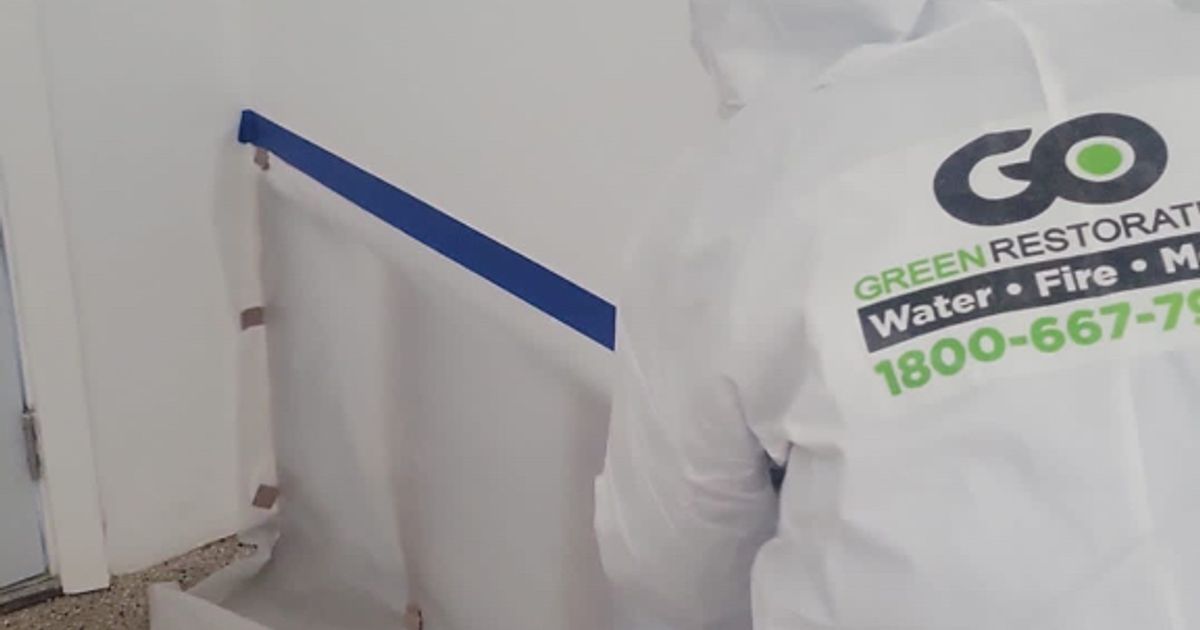
Complete timeline for water damage restoration in Lynwood, CA. Learn realistic timeframes for assessment, extraction, drying, and repairs in older homes.
Lynwood's mid-20th century housing stock presents unique challenges when water damage strikes. The aging plumbing systems common throughout neighborhoods like Lynwood Park and Rancho San Martin often fail without warning, while the city's proximity to the Los Angeles River increases flood risks during Southern California's intense winter storms. Understanding the restoration timeline helps homeowners in ZIP code 90262 prepare for what lies ahead after water invades their property.
The flat terrain surrounding landmarks like Lynwood City Hall means water doesn't drain quickly during heavy rainfall, potentially extending damage throughout dense residential areas. Professional water damage restoration in Lynwood requires a systematic approach that addresses both immediate water removal and long-term structural concerns specific to the area's older building materials and construction methods.
Emergency Response and Initial Assessment (Day 1)
Water damage restoration begins the moment you contact professionals. In Lynwood's tightly packed residential areas, response teams typically arrive within 2-4 hours of your call, understanding that delays can mean the difference between minor repairs and major structural damage. The initial assessment focuses on identifying the water source, categorizing contamination levels, and determining which areas require immediate attention.
Technicians evaluate Lynwood's common problem areas, including aging cast iron sewer lines that frequently back up during storms, deteriorating galvanized pipes in homes near Bateman Hall, and roof leaks in properties with original 1950s-era materials. This assessment phase takes 1-3 hours depending on property size and damage extent. Teams document everything with photos and moisture readings, creating a baseline for insurance claims while identifying safety hazards like compromised electrical systems common in older Lynwood homes.
The assessment determines your restoration category: Category 1 (clean water from supply lines), Category 2 (gray water from appliances), or Category 3 (black water from sewage backups). Lynwood's aging sewer infrastructure means Category 3 situations occur frequently during heavy rains, requiring more extensive safety protocols and longer restoration timelines.
Water Extraction and Damage Mitigation (Days 1-2)
Extraction begins immediately after assessment completion. Powerful truck-mounted pumps remove standing water, while portable extractors handle smaller areas and tight spaces common in Lynwood's compact home layouts. The extraction phase typically takes 4-12 hours for standard residential properties, though basement flooding in areas near the Los Angeles River may require 24-48 hours of continuous pumping.
Lynwood's older homes often feature hardwood floors installed over subfloor materials that absorb water quickly. Extraction teams use specialized equipment to pull moisture from beneath flooring without unnecessary removal, preserving original materials when possible. However, homes with original 1940s-1960s construction may require more aggressive extraction methods due to settling and gaps that allow water penetration into wall cavities.
Simultaneous with extraction, teams begin damage mitigation by removing water-damaged materials that cannot be salvaged. This includes saturated drywall, insulation, and flooring materials. In Lynwood's dense neighborhoods, crews coordinate debris removal carefully to avoid blocking narrow streets and driveways shared between properties.
Drying and Dehumidification (Days 2-5)
The drying phase represents the most time-intensive portion of restoration. Industrial dehumidifiers and air movers create controlled drying conditions, with equipment placement strategically planned around Lynwood homes' typical floor plans and architectural features. Standard drying takes 3-5 days, but Lynwood's humid coastal influence can extend this timeline, especially during winter months when natural evaporation rates decrease.
Technicians monitor moisture levels in structural materials using specialized meters, paying particular attention to areas where Lynwood's older homes show common vulnerabilities. Original plaster walls absorb more moisture than modern drywall and require longer drying periods. Hardwood floors common in Rancho San Martin area homes need careful monitoring to prevent cupping and warping as they release absorbed moisture.
Equipment operates continuously during this phase, with daily monitoring visits to adjust settings and document progress. Homeowners can expect noise from fans and dehumidifiers, though modern equipment runs more quietly than older models. Energy costs increase during drying, but proper equipment prevents secondary damage that would cost significantly more to address later.
Cleaning and Sanitization (Days 4-7)
Once moisture levels reach acceptable ranges, cleaning and sanitization begin. This phase overlaps with final drying stages and takes 2-4 days depending on contamination levels and affected area size. Lynwood homes impacted by sewer backups require extensive antimicrobial treatment, while clean water damage needs standard cleaning protocols.
Cleaning addresses both visible damage and hidden contamination in wall cavities, ductwork, and other concealed spaces. Lynwood's older HVAC systems often require duct cleaning or replacement after water events, as original ductwork may lack proper sealing. Teams clean and treat all affected surfaces, including those behind built-in cabinets and fixtures common in mid-century home designs.
Personal belongings receive specialized cleaning based on material type and contamination level. Professional restoration companies like Go Green Restoration understand which items can be salvaged and which require disposal, helping homeowners navigate insurance coverage for content cleaning and replacement.
## Related Articles
Learn more about restoration services in Lynwood:
Reconstruction timelines vary dramatically based on damage extent and material availability. Minor repairs involving drywall replacement and repainting take 3-7 days, while major reconstruction projects requiring structural repairs, flooring replacement, or kitchen/bathroom rebuilds extend 2-3 weeks or longer.
Lynwood's older homes often reveal additional issues during reconstruction, such as outdated electrical wiring or plumbing that requires upgrading to current codes. While this extends timelines, addressing these issues prevents future problems and may be required by local building departments for permit approval.
Material matching presents challenges in Lynwood's established neighborhoods, where original fixtures and finishes may no longer be manufactured. Skilled contractors work to blend new materials with existing elements, maintaining your home's character while incorporating modern improvements that enhance durability and performance.
The final walkthrough ensures all work meets professional standards and addresses any remaining concerns before project completion. Most Lynwood water damage restoration projects conclude within 2-3 weeks from initial damage, though severe cases involving structural repairs may extend longer depending on permit requirements and material availability.
Need Professional Help?
Go Green Restoration provides 24/7 emergency services throughout Los Angeles and Ventura Counties. Licensed (#1005708), bonded, and insured.